




The buzz surrounding the New Electric Ram 1500 REV, Ram’s foray into the electric pickup truck market, is electrifying. With its impressive capability, powerful performance, and a focus on rugged electric utility, it promises to redefine what a truck can be. For many traditional truck owners, the idea of an electric Ram offers a compelling blend of zero-tailpipe-emission driving and legendary Ram toughness.
However, the glossy promotional materials and exciting launch specs only tell part of the story. While the switch from gasoline to electric promises savings on fuel and maintenance, it introduces a new set of financial considerations that often get overlooked. These are the hidden costs—the expenses that don’t appear on the Monroney sticker but are critical to understanding the true cost of ownership.
Before you reserve your New Electric Ram 1500 REV, a comprehensive look at the full financial picture is essential. This detailed breakdown explores the less obvious expenses, providing a clearer roadmap for prospective electric truck owners and helping you determine if the Ram 1500 REV is truly the best long-term pickup truck investment for your budget.

Upfront Acquisition Premium: New Electric Ram
The first cost, while not entirely hidden, is the elevated initial purchase price compared to its internal combustion engine (ICE) counterpart. Electric vehicles, and especially electric trucks like the Ram 1500 REV, carry a significant acquisition premium due to the cost of their massive battery packs.
The Battery Cost Burden
The battery is the most expensive single component in any New Electric Ram. A large electric pickup truck requires a colossal battery to deliver the range and towing capacity expected by truck buyers. This high-capacity battery directly translates to a higher Manufacturer’s Suggested Retail Price (MSRP).
For the price of a mid-to-high-trim gasoline Ram 1500, you will likely be looking at a lower- or mid-trim Ram 1500 REV. This premium must be offset by long-term savings in fuel and maintenance, which takes time. Buyers need to calculate their expected mileage and local energy rates to determine their personal breakeven point. If you don’t New Electric Ram frequently or plan to keep the truck for a short period, the initial premium may never fully be recovered through operational savings.
Trim Level Trade-offs
This acquisition premium means that to stay within a comparable budget to your current truck, you might have to choose a lower trim of the electric model. You may find yourself sacrificing luxury features, advanced technology packages, or even New Electric Ram capability-enhancing options just to afford the electric powertrain. The “cost” here is in the compromise of features you might otherwise consider standard or essential.
Residential Charging Infrastructure Installation
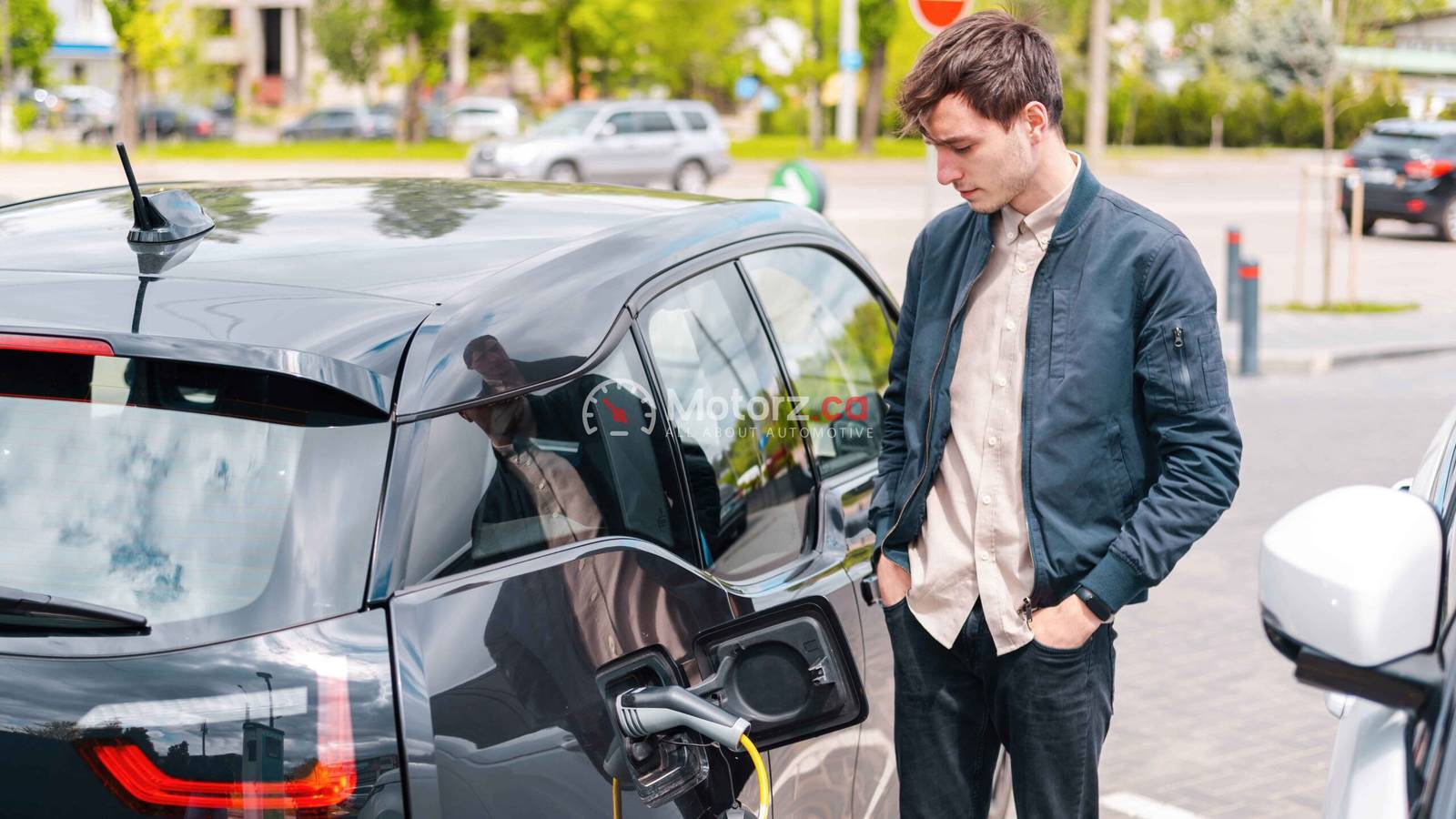
One of the greatest conveniences of electric vehicle ownership is the ability to “fuel up” at home. However, this convenience comes with a necessary, and sometimes considerable, upfront expense: installing a Level 2 home charger.
The Hardware and Wiring Expense
While the truck may come with a Level 1 charging cable (which plugs into a standard household outlet), Level 1 charging is too slow for the massive New Electric Ram of a full-size electric pickup. A Level 2 charger, which requires a 240-volt circuit, is virtually mandatory for practical daily use.
The cost for the charger unit itself is just the starting point. The truly “hidden” expense lies in the home charging installation. Depending on the age of your home, the capacity of your electrical panel, and the distance between your panel and where you park the truck, installation costs can vary wildly.
Panel Upgrades: Older homes may require an expensive electrical panel upgrade to handle the increased load of the charger.
Trenching and Conduit: If your parking spot (garage or driveway) is far from the electrical service, the electrician may need to run long stretches of conduit or even dig New Electric Ram, significantly inflating the final bill.
The Waiting Game and Permits
In many jurisdictions, installing a Level 2 charger requires permits and inspections. This adds administrative fees and can extend the timeline before you can enjoy the full benefit of home charging. You are paying not just for the equipment and labor, but also for the time spent navigating bureaucratic requirements.
The True Cost of ‘Fuel’—Electricity Rates
The promise of never buying gasoline again is highly appealing, but electricity is not free. The cost to power your Ram 1500 REV is a significant electric truck operating cost that fluctuates based on geography, time of day, and utility New Electric Ram.
Peak vs. Off-Peak Charging
Many utility companies use time-of-use billing, where electricity rates are significantly higher during peak hours (typically late afternoon and early evening) and lower overnight. While charging overnight is usually cheaper, it requires a disciplined charging habit and specialized charger settings. If you need to charge during peak hours, or if you live in an area with flat, high rates, your “fuel” savings may be minimal.
Public Fast Charging Fees
For long road trips, the Ram 1500 REV will rely on DC fast charging stations. These public charging sessions are often billed by the minute or kilowatt-hour (kWh), and the rates are consistently much higher than home electricity. Fast charging networks operate on a for-profit model, making them the equivalent of premium gasoline. Factor in “idle fees” charged by some networks if you don’t unplug immediately after the battery reaches a certain charge level, and the costs climb quickly. This dramatically impacts the cost-effectiveness of an electric pickup for commercial or long-haul use.
Accelerated Tire Wear and Replacement
The immense weight and instant torque of the Ram 1500 REV are a double-edged sword when it comes to tire longevity.
The Weight Factor
The large battery pack makes the electric Ram substantially heavier than a conventional gasoline-powered Ram 1500. This EV heavy weight puts significantly more stress on the tires, especially when cornering or braking. The original equipment tires are typically specialized, low-rolling-resistance units designed to maximize range, and their replacement cost is often higher than standard truck tires.
Instant Torque Effects
Electric motors deliver 100 percent of their available torque instantly. While this makes for thrilling acceleration, it also encourages drivers to utilize that power, which leads to increased tire scrubbing and faster wear. You may find yourself replacing New Electric Ram more frequently than you did on an ICE truck, potentially erasing some of the intended maintenance savings. Frequent tire replacement is an often-overlooked Ram 1500 REV maintenance cost.
Potential Depreciation and Battery Longevity Concerns
The resale value of any new vehicle is a crucial component of its long-term cost of ownership. For a new technology like electric trucks, EV depreciation is a key financial risk.
Battery Degradation Risk
While the Ram 1500 REV battery comes with a long warranty, typically 8 years or 100,000 miles, the reality of battery degradation is a factor. Over time, the battery’s capacity to hold a charge will diminish, reducing the truck’s range and its appeal to a second owner.
The used market is still maturing for large electric trucks. Buyers are often cautious about purchasing an EV with a degraded battery because a battery replacement outside of warranty can be an astronomical expense, potentially costing tens of New Electric Ram. This uncertainty can cause a higher rate of electric truck depreciation compared to a comparable gasoline model, which historically holds its value well.
Rapid Technological Obsolescence
The pace of EV technology is accelerating quickly. Just a few years after the Ram 1500 REV is released, newer models will likely boast significantly better range, faster charging speeds, and lighter, more efficient battery chemistry. This rapid innovation can make an older EV model seem dated and less desirable sooner than a traditional vehicle, contributing to faster value loss.
Insurance Premiums and Road Taxes
As an expensive, high-tech vehicle with unique New Electric Ram, the electric Ram may cost more to insure and operate legally.
Higher Insurance Costs
Electric truck insurance is generally more expensive than insuring a comparable ICE truck. This is due to several factors: the higher initial purchase price (meaning higher replacement value), the cost and complexity of repairing a vehicle with a massive battery (especially after a severe accident), and the expense of specialized body work.
Evolving Road Taxes and Fees
As governments seek to replace lost gasoline tax revenue from the shift to EVs, many states are introducing special EV road taxes and registration surcharges. These fees are designed to ensure electric vehicle owners contribute to road maintenance, just like gasoline drivers. You may find that the annual cost to register your Ram 1500 REV is significantly New Electric Ram than your previous truck, eating into your claimed fuel savings.
The Unexpected Cost of Reduced Payload and Towing Range
While not a direct financial cost, the practical limitations of EV towing capacity and range translate into a financial cost for commercial users or serious haulers.
Range Anxiety Under Load
Towing a heavy trailer or loading the bed to near-maximum capacity can drastically cut the electric Ram’s driving range—sometimes by 40 percent or more. This means more frequent, longer, and more expensive fast-charging stops on a work trip. The effective “time cost” of these detours is a hidden expense for anyone who relies on their New Electric Ram pickup as a primary work tool.
Specialized Towing Equipment
The high-tech nature of EV batteries and charging may necessitate specialized accessories, such as dedicated onboard power management systems or expensive electric vehicle towing components, all adding to the total ownership cost.