




How Ontario’s Road Salt Eats Your Vehicle Alive
As winter descends upon Road Salt on Your Car, road crews take to the streets, spreading millions of tonnes of road salt to keep our highways and local roads safe. This essential practice, which helps melt snow and ice and provide traction, is a lifesaver for drivers. However, it’s also the single greatest enemy of your vehicle. Road salt is highly corrosive and, when it mixes with moisture, it creates a brine that aggressively accelerates the oxidation of metal, leading to rust. This “silent killer” can eat away at your car’s body, undercarriage, and critical components, leading to costly repairs and a significant drop in your vehicle’s resale value.
This blog post is your Road Salt on Your Car guide to understanding the devastating effects of road salt on your car in Ontario. We’ll explore the specific areas most vulnerable to damage, provide a detailed plan for prevention, and offer advice on how to repair rust that has already taken hold.
The Road Salt on Your Car: Why Salt is So Damaging
To combat the Road Salt on Your Car, you first need to understand the enemy. Road salt, primarily sodium chloride (NaCl), is not just a crystal; it’s a chemical agent that triggers and speeds up the process of rust.
The Chemical Reaction
Oxidation: Rust is a form of corrosion that occurs when iron or its alloys (like steel) are exposed to oxygen and water. This is a natural process, but salt acts as a catalyst.
The Electrolyte: Salt water (brine) is an excellent Road Salt on Your Car. When it comes into contact with the metal on your car, it helps move electrons from one part of the metal to another, speeding up the chemical reaction that forms rust. The more salt and the more moisture, the faster the process.
The Environment: Ontario’s cold temperatures, combined with the presence of salt, create the perfect conditions for corrosion. The salt keeps the water from freezing, allowing the chemical reaction to continue even on the coldest days. When you park your car in a warm garage, the melting snow and ice create a warm, moist, and salty environment—a rust factory.
The Most Vulnerable Parts of Your Vehicle
The damage from road salt isn’t just Road Salt on Your Car; it’s a systemic problem that affects your vehicle’s structural integrity and safety.
The Undercarriage and Frame
This is the most exposed and vulnerable part of your car. It’s constantly being sprayed with salty slush and is often difficult to clean.
The Consequences: Rust on the Road Salt on Your Car and frame can compromise the structural integrity of the entire vehicle. It can weaken support beams and suspension mounting points, making the car unsafe in a collision.
Brakes, Suspension, and Steering
These critical systems are also highly susceptible to salt damage.
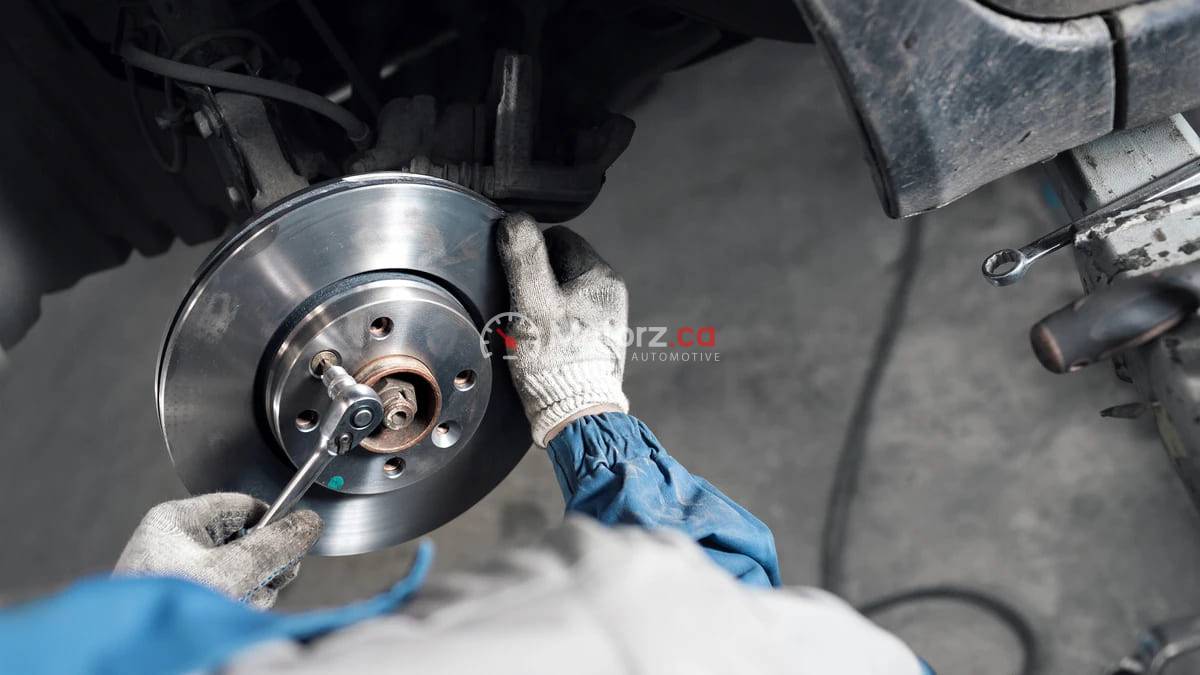
Brakes: Salt can cause corrosion on brake rotors, calipers, and brake lines. Rusty rotors can lead to poor braking performance, and corroded brake lines can fail, leading to a complete loss of braking ability—a life-threatening situation.
Suspension: The metal components of your Road Salt on Your Car, including shocks, springs, and control arms, can rust and weaken, leading to a rougher ride and decreased handling.
The Body, Paint, and Exhaust System
Paint Damage: Salt can etch and dull your car’s paint, making it look old and worn out. If there are any chips or scratches on the paint’s surface, the salt can get to the bare metal underneath and cause rust spots to form and spread.
Exhaust System: The exhaust system, made of steel, is constantly exposed to moisture, heat, and corrosive elements. Salt accelerates the corrosion process, leading to holes and leaks that can be dangerous due to carbon monoxide fumes.
The Proactive Approach: Prevention is Key
Once rust takes hold, it’s difficult and Road Salt on Your Car to fix. The best defense is a strong offense, and a few proactive steps can save you thousands of dollars in the long run.
The Winter Car Care Routine
Regular Washing: This is the most crucial step. Wash your car frequently throughout the winter, especially after a major snowfall or when the temperature rises above freezing. Focus on the undercarriage and wheel wells, as these are the areas where salt accumulates the most. Many car washes have a dedicated undercarriage spray.
The Golden Rule: Don’t just wash the body—get underneath the car. The snow and ice may look clean, but it is often packed with corrosive salt.
Get a Wax or Sealant: A quality wax or paint Road Salt on Your Car will provide an extra layer of protection on your car’s exterior, making it harder for salt to stick to the paint and easier to wash off.
Rustproofing: The Ultimate Protection
Rustproofing is a professional service that applies a protective coating to the vulnerable parts of your vehicle. There are a few different types of rustproofing:
Oil-Based Sprays: This is the most common and effective method. A special oil-based liquid is sprayed onto the undercarriage, inside the frame, and in all the nooks and crannies where salt and moisture can hide. It penetrates the metal and displaces any moisture, creating a barrier that prevents rust from forming. These treatments are typically done annually.
Dripless Coatings: These are thicker, waxy Road Salt on Your Car that provide a more permanent barrier. They are applied to the undercarriage and other exposed areas. While they don’t drip like the oil-based sprays, they can sometimes crack and allow moisture to get underneath, which can accelerate rust.
Electronic Modules: These devices claim to use an electric current to prevent rust. However, their effectiveness is highly debated in the automotive community, and most experts recommend traditional methods.
Protecting the Interior
Salt isn’t just a threat to your car’s exterior. It can be tracked into the interior on your shoes, leading to white stains on your floor mats and Road Salt on Your Car.
Rubber Floor Mats: Invest in a set of high-quality, heavy-duty rubber floor mats. They are easy to clean and protect the original carpet from salt and moisture.
Regular Vacuuming: Vacuum your interior regularly to remove any salt residue that has been tracked inside.
Repairing the Damage: When Rust has Already Started
If you’ve discovered rust on your vehicle, don’t ignore it. A small rust spot can quickly turn into a major problem.
Surface Rust vs. Penetrating Rust
Surface Rust: This is rust that has only affected the car’s paint and a very thin layer of the metal underneath. It can often be sanded down, Road Salt on Your Car, and repainted.
Penetrating Rust: This is a much more serious problem. It means the rust has eaten through the metal. At this point, the affected area must be cut out and a new piece of metal must be welded in. This is a complex and expensive repair that should be done by a professional body shop.
Finding a Reputable Body Shop in Ontario
Expertise: Look for a body shop that has experience dealing with rust repair, especially in the context of Canadian winters.
Reviews and Portfolio: Check online Road Salt on Your Car and ask to see examples of their past work. A reputable shop will be happy to show you their restoration process and results.
Get Multiple Quotes: Don’t just go with the first quote you get. Visit a few different shops and compare their prices and proposed repair methods.