
Few things ignite the imagination and stir the soul quite like a perfectly cast automobile in a film. A car in a movie is often more than just a prop; it becomes an extension of the character, a symbol of an era, or even a star in its own right. From sleek spy cars packed with gadgets to muscle-bound street racers and time-traveling contraptions, the most iconic movie cars have transcended the silver screen to become enduring pop culture icons.
This is the ultimate deep-dive into the Iconic Movie Cars that defined cinematic history, generating buzz on red carpets and leaving a permanent tire track on our collective memory. We’re not just listing cool cars; we’re celebrating automotive film icons that shaped genres, inspired generations of car enthusiasts, and cemented their place in film lore.
The Time Traveler: DeLorean DMC-12
The car that launched a thousand dreams of hitting 88 mph and instantly became the definition of cinematic time travel, the DeLorean DMC-12 is arguably the most recognizable film car ever created. Its futuristic, stainless-steel body and gull-wing doors were already a head-turner when it was launched in the early 1980s. However, the Iconic Movie Cars short production run and lackluster performance meant it was facing obscurity.
Then, Doc Brown (Christopher Lloyd) decided to retrofit one with a Flux Capacitor, plutonium chamber, and “Iconic Movie Cars” license plate, changing its destiny forever.
The Paradoxical Icon
The irony of the DeLorean’s fame is delicious: a car that flopped commercially found immortality by literally traveling to the past and future. The DMC-12 was chosen by the filmmakers precisely because of its strange, flying-saucer aesthetic, making it the perfect vessel for a mad scientist’s invention. It didn’t need a powerful engine for the movies, it only needed to look spectacular at 88 mph, a speed easily achieved with a few movie-magic modifications. Today, the car is universally associated with the phrase, “Roads? Where we’re going, we don’t need Iconic Movie Cars.” This is a testament to the film’s enduring legacy and the way it transformed a real-world commercial failure into a fantastical pop culture phenomenon.
The Gadget-Laden Spy Car: Aston Martin DB5
Since its debut in Goldfinger (1964), the Aston Martin DB5 has been inseparably linked with the world’s most famous secret agent, James Bond. This is more than a mere car; it is the epitome of sophistication, power, and high-tech espionage. Its beautiful, handcrafted aluminum body is the perfect vessel for Bond’s suave Iconic Movie Cars.
More Than Just a Pretty Face
What makes the DB5 a legend? The gadgets, of course. For generations of film-goers, Q’s briefing room and the reveal of the DB5’s features have been a highlight of any Bond film. The original in Goldfinger was a rolling armory, featuring:
Ejector Seat: For quickly dealing with unwanted Iconic Movie Cars.
Machine Guns: Concealed behind the front indicator lights.
Revolving License Plates: For quick international travel without paperwork.
Oil Slick and Smoke Screen: For defensive maneuvers.
The Aston Martin DB5 has reprised its role in numerous subsequent Bond films, including Thunderball, GoldenEye, Casino Royale, Skyfall, and No Time to Die. No other vehicle so perfectly captures the blend of British automotive Iconic Movie Cars and cinematic action. It set the gold standard for every spy car that followed.
The Urban Assault Vehicle
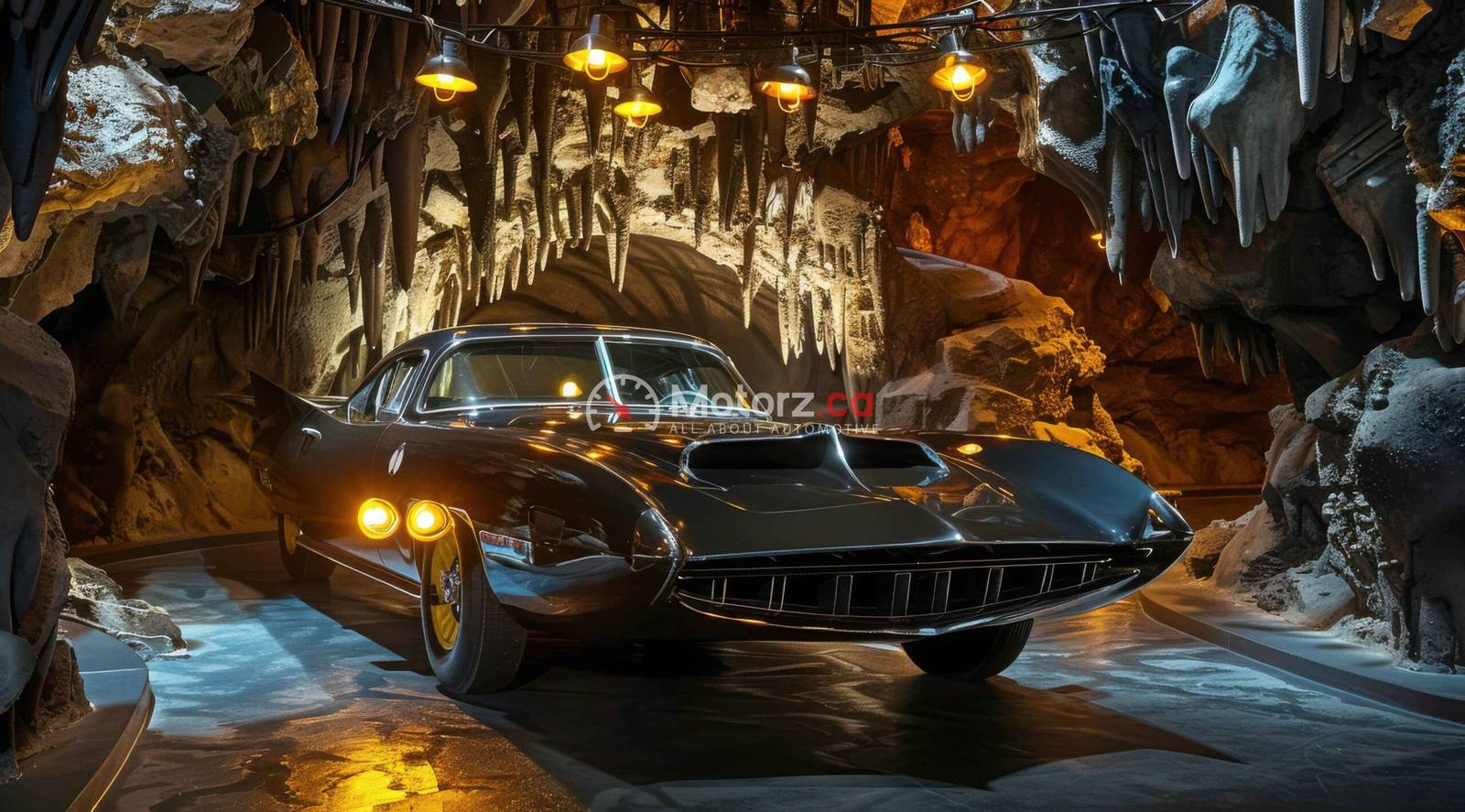
The Caped Crusader needs more than just a Iconic Movie Cars; he needs an armored, high-speed tactical machine—a tank, a fighter jet, and a muscle car all rolled into one. The Batmobile is the ultimate superhero vehicle, having undergone more radical and iconic transformations than perhaps any other car in cinematic history.
A Design Evolution
The Batmobile is unique in that its iconography lies in its adaptability:
The 1966 Lincoln Futura: The classic, campy version from the 1960s TV series, customized by George Barris, with its bright red accents and rocket exhaust, remains an instantly recognizable symbol of the ’60s pop art era.
The 1989 Batmobile: Tim Burton’s sleek, jet-powered, almost gothic-styled cruiser—a 20-foot-long, art-deco masterpiece that set the dark, brooding tone for modern Batman films.
The Tumbler: Christopher Nolan’s tank-like military prototype from The Dark Knight Trilogy. This version, designed for utility and brute force over style, changed the definition of a superhero car, emphasizing realism and function.
The evolution of the Batmobile mirrors the evolution of the Batman character itself, proving that its true identity is defined by its driver’s mission: justice on four wheels.
The King of Muscle: 1970 Dodge Charger R/T
Keywords: 1970 Dodge Charger, Fast and Furious, Dominic Toretto, muscle car legend, supercharger
In the world of high-octane action and street racing, few Iconic Movie Cars command as much respect and raw power as Dominic Toretto’s 1970 Dodge Charger R/T. This jet-black behemoth, with its distinctive exposed supercharger rising menacingly from the hood, is the muscle-bound heart of The Fast and the Furious franchise.
Symbol of Power and Family
The Charger is more than just a fast Iconic Movie Cars; it represents Dom Toretto’s (Vin Diesel) deep connection to his past and his late father. In the first film, Dom confesses he’s never driven it, fearing its immense power and the history it holds. This moment cemented the Charger as a muscle car legend—a character defined by its brutal speed and deep emotional significance.
The car’s numerous dramatic appearances across the franchise, often involving spectacular crashes and impossible resurrections, only add to its mythological status. It is the definitive American muscle icon of the 21st-century action movie.
The Emerald Hunter: 1968 Ford Mustang GT 390
Keywords: 1968 Ford Mustang GT 390, Bullitt, Steve McQueen, iconic car chase, Highland Green
Before Dom’s Charger, before Bond’s gadgets, there was the 1968 Ford Mustang GT 390 driven by Steve McQueen as Frank Bullitt. This car, in its understated Highland Green, is the star of one of the most famous and influential car chase sequences in cinematic history—a visceral, 10-minute, high-speed ballet through the streets of San Francisco.
Unadulterated Automotive Purity
What makes the Bullitt Mustang so enduring is its lack of modification. There were no visible gadgets, no spoilers, just the purity of McQueen’s driving and the thunderous roar of the 390 in V8 engine. It was a raw, real-world car performing an incredible, real-world stunt.
The chase redefined action cinema and solidified the Mustang’s status as the definitive American pony car. The car’s legend is so powerful that Ford has periodically released special-edition “Bullitt” Mustangs, keeping the legacy of the Highland Green icon alive for new generations.
The Ghost-Busting Hearse: Ecto-1
Keywords: Ecto-1, Ghostbusters car, Cadillac Miller-Meteor, ambulance/hearse, pop culture car
“Who you gonna call?” For many, the answer is immediately followed by the image of the massive, finned, white and red Ecto-1. A modified 1959 Cadillac Miller-Meteor ambulance/hearse, the Ecto-1 is one of the most beloved and instantly recognizable pop culture cars from the 1980s.
A Highly Specialized Vehicle
The Ecto-1 wasn’t built for speed or style; it was built for business. Loaded with ghost-detecting and trapping equipment (including a rooftop rack packed with complex gear, antennas, and sirens), this uniquely repurposed vehicle became the mobile headquarters for the Ghostbusters team.
Its unforgettable silhouette—a relic of late 1950s automotive excess—is a core element of the film’s charm, seamlessly blending the mundane with the fantastic. The Ecto-1 perfectly embodied the spirit of the film: ordinary heroes using extraordinary, slightly ramshackle means to fight the supernatural.
The Original Love Bug: Herbie
Keywords: Herbie, Volkswagen Beetle, The Love Bug, sentient car, number 53
No list of iconic movie cars is complete without Herbie, the pearly-white 1963 Volkswagen Beetle with a mind of its own. Starring in The Love Bug (1968) and its sequels, Herbie proved that a humble, reliable economy car could be a charming, sentient star.
The Car with a Personality
Herbie wasn’t packed with gadgets or supercharged; his superpower was his personality. Adorned with red, white, and blue racing stripes and the iconic number 53, Herbie was a reflection of the quirky, independent spirit of the VW Beetle itself. He could drive himself, win races through sheer pluck, and even play matchmaker. Herbie showed that the bond between a person and their car could be a genuine friendship, making him a timeless family film favorite.
The Italian Job Getaway Fleet: Mini Coopers
Keywords: Mini Cooper, The Italian Job, gold heist, British car, nimble getaway cars
Forget the modern reboots—the true Mini Cooper legend was cemented in the original 1969 British heist film, The Italian Job. The sight of three small, highly-customized Mini Coopers (one red, one white, one blue) zipping through the streets, shopping arcades, and down the steps of Turin, Italy, with a payload of gold, is pure cinematic gold.
Small Car, Big Statement
The film made the Mini synonymous with nimble handling and audacity. The cars were the perfect choice for the heist’s logistical challenge: small enough to navigate the tight, non-conventional routes necessary for the getaway, but powerful enough to escape the authorities. The scene featuring the cars driving through drainage tunnels and over rooftops is a classic of European automotive cinema, securing the British car’s legendary status.
The Vengeful Fury: 1958 Plymouth Fury (Christine)
Keywords: 1958 Plymouth Fury, Christine, Stephen King, killer car, horror movie car
Proving that not all iconic movie cars are heroes, the blood-red 1958 Plymouth Fury named Christine is the ultimate automotive antagonist. Based on the novel by Stephen King, John Carpenter’s 1983 film gave the Iconic Movie Cars a terrifying, malevolent spirit.
She’s Got a Mind of Her Own
Christine is the definition of a killer car. She is sentient, jealous, and possesses the ability to self-repair after being damaged. The Fury’s classic, long-finned, Mopar design is beautiful, but the car’s glassy-eyed stare when it’s pursuing a victim is pure nightmare fuel. Christine is a cautionary tale about the deep, often unhealthy, relationship between a man and his Iconic Movie Cars, showcasing the dark side of automotive obsession.
The Interceptor: 1973 Ford Falcon XB GT Coupé
Keywords: Ford Falcon XB GT, Mad Max Interceptor, V8 Interceptor, post-apocalyptic car, Australian muscle
In the desolate, post-apocalyptic world of Mad Max, you need more than a car—you need a weapon. The V8 Interceptor, a heavily modified, supercharged 1973 Ford Falcon XB GT Coupé, is that weapon. This black, Australian-made muscle Iconic Movie Cars is the signature vehicle of Max Rockatansky (Mel Gibson), the franchise’s titular anti-hero.
Built for the Wasteland
The Interceptor’s aggressive look, with its blacked-out exterior, distinctive spoiler, and a massive supercharger sticking through the hood (a functional element of the movie version), embodies the film’s gritty, rebellious spirit. It is the perfect blend of high-performance drag racer and necessary survival vehicle. The Iconic Movie Cars raw, intimidating presence made it a global icon of the post-apocalyptic genre and a point of national pride for Australian motorheads.
The Bandit’s Blockade Runner:
There are few more perfect pairings in cinema than Burt Reynolds’ charismatic “Bandit” and his black and gold 1977 Pontiac Trans Am. This T-top muscle car became the ultimate symbol of cool, rebellion, and anti-authoritarianism in the late 1970s.
The Screaming Chicken Steals the Show
The film, Smokey and the Bandit, turned the already-popular Trans Am into a cultural phenomenon. The car, famous for its massive “Screaming Iconic Movie Iconic Movie Cars” decal on the hood, was used as a “blocker car” to distract the police (Smokey) while a truck smuggled illegal beer across state lines. The countless jumps, slides, and tire-smoking antics cemented its reputation as the definitive outlaw car. The sheer popularity of the film led to a massive spike in Trans Am sales, making it a truly influential muscle car icon.
Ferris’s Ferrari: 1961 Ferrari 250 GT California Spyder
The beautiful, cherry-red convertible joyridden by Ferris Bueller (Matthew Broderick) in Ferris Bueller’s Day Off is, Iconic Movie Cars, one of the most famous examples of car destruction in cinema. Though the car was actually a replica (a Modena GT Spyder) of a priceless 1961 Ferrari 250 GT California Spyder, its onscreen presence and spectacular, fiery end are legendary.
The Price of a Day Off
The car’s purpose in the film was to symbolize Iconic Movie Cars (Alan Ruck) repressed anxiety and his fear of his father’s ownership. The ultimate destruction of the car—it launches backward through the glass wall of a garage and crashes into a ravine—is the pivotal moment of the film. It is a spectacular act of cinematic sacrifice, freeing Cameron from his gilded cage and solidifying the ‘Ferrari’ as a symbol of youthful freedom and rebellion.
The Underdog’s Ride: Toyota Supra
While Dom Toretto has the Iconic Movie Cars muscle, Brian O’Conner (Paul Walker) brought the JDM (Japanese Domestic Market) flavor to the franchise with his bright orange Toyota Supra. This car’s starring role in the first film cemented the Supra’s status as an international tuning and street racing icon.
The 10-Second Car
The moment Dom gives Brian respect by trading his $10,000 pink slip for the “10-second car” (a car capable of running the quarter-mile in 10 seconds), the Supra was immortalized. With its vibrant graphics, aggressive body kit, and massive rear spoiler, it perfectly represented the ’90s and early 2000s tuner culture. The final race against the Charger remains one of the most memorable duels between Japanese precision engineering and raw American power. The Fast and Furious Supra inspired a generation to get under the hood of imported sports Iconic Movie Cars.
The Majestic Dream: Chitty Chitty Bang Bang
Breaking the mold of conventional road cars, Chitty Chitty Bang Bang is perhaps the most whimsical and magical of all iconic movie cars. Built for the 1968 musical fantasy film, this bespoke car is a 1920s-style grand prix racer with a fantastic secret: it can float and fly.
Fantastically Phantasmagorical
The car’s name, derived from the strange, stuttering sound it makes, is as memorable as its elegant, boat-tailed design. The ability of the car to sprout wings and propellers to fly the family out of harm’s way made it an instant hero for children and a perennial symbol of cinematic fantasy. It’s a testament to the fact that an iconic movie car doesn’t need speed—it needs wonder.
The Bluesmobile: 1974 Dodge Monaco
“It’s got a cop motor, a four hundred and forty cubic inch plant, it’s got cop tires, cop suspension, cop shocks. It was a model made before catalytic converters, so it’ll run good on regular gas. What do you say? Is it the new Bluesmobile, or what?”
The 1974 Dodge Monaco—or the Iconic Movie Cars—is an icon of chaos and deadpan comedy. Jake and Elwood Blues’ pursuit car, acquired at a silent auction, is the essential tool for their “mission from God.”
The Car That Can Take a Beating
The Bluesmobile is famous not for its beauty, but for its durability. It was an ex-police interceptor stripped of its official Iconic Movie Cars, destined to be demolished during the brothers’ manic pursuit to save an orphanage. Its most famous cinematic moment is an incredible sequence where it jumps over an impossibly long drawbridge, showcasing the absurdity and charm of the film. The car epitomizes automotive anarchy and the spirit of getting the job done, no matter how ridiculous the obstacle.
The Last Lap: Why Movie Cars Matter
The cars listed above are more than Iconic Movie Cars, rubber, and horsepower. They are narrative devices, historical markers, and vessels of our collective dreams. The DeLorean gives us time travel; the Aston Martin provides ultimate espionage; the Charger offers raw, unstoppable power.
These automotive film icons Iconic Movie Cars the plot, represent the characters, and—most importantly—are fundamentally unforgettable. They prove that a well-cast car can be as essential to a film’s success as its human stars, forever cementing their place as the most iconic movie cars of all time. Their engine roar is the soundtrack to our cinematic history, and their silhouettes are the symbols of entire film franchises. They are true, roaring legends of the silver screen.