
Buying a used car can be a nerve-wracking experience. It’s a significant financial decision, and the fear of ending up with a “lemon” is a common concern. But in a city like Buying a Used Car, where the market for pre-owned vehicles is vast and diverse, it’s also an opportunity to find incredible value. With a proactive approach and a solid checklist, you can navigate the process with confidence, secure a great deal, and drive away in a reliable vehicle that’s perfect for Alberta’s roads.
This comprehensive guide is designed to be your definitive checklist for buying a used car in Calgary. We’ll cover everything from the initial research to the final paperwork, helping you avoid common pitfalls and make an informed decision.
The Pre-Search Phase: Homework is Your Best Friend
Before you even start looking at Buying a Used Car, you need a plan. Doing your homework will save you time, money, and a lot of headaches down the road.
Define Your Needs and Budget
What’s your purpose? Are you a city commuter, a weekend warrior who needs a truck for the mountains, or a family driver who needs space and safety? Be realistic about your needs.
Set a Firm Budget: Don’t just consider the purchase price. Factor in other costs like taxes, insurance, registration fees, and potential maintenance. In Alberta, a used car purchase from a private seller does not have GST or PST, but a dealership sale will include Buying a Used Car.
Research Market Value: Use online tools like Canadian Black Book or the listings on popular sites to get a realistic sense of what different models and years are selling for in Buying a Used Car. This knowledge will be your best negotiation tool.
Dealership vs. Private Seller
Both options have pros and cons, and it’s important to understand the differences.
Dealerships:
Pros: They are legally required to provide a Mechanical Fitness Assessment (MFA) and a vehicle history report. Many offer financing options and warranties. AMVIC (Alberta Motor Vehicle Industry Council) regulates them, providing a layer of consumer protection.
Cons: The price is generally higher due to overhead and profit margins.
Private Sellers:
Pros: Prices are often lower, and there’s more room for negotiation since you’re dealing directly with the owner.
Cons: You are buying the Buying a Used Car “as is.” There is no legal requirement for the seller to provide a vehicle history report or an MFA. The burden of inspection and research is entirely on you.
The Vehicle Inspection: Your Hands-On Checklist
This is the most critical stage of the buying process. A thorough inspection can reveal hidden problems that could cost you a fortune later.
Get a Vehicle History Report
Whether you’re buying from a dealership or a private seller, an independent Vehicle History Report (VHR) from a reputable source like CARFAX is non-negotiable. This report can reveal:
Accident History:
Lien Status: Is there still money owed on the Buying a Used Car? A lien search is a critical part of the process, as the debt can transfer to you.
Service Records: Has the car been regularly maintained?
Odometer Reading: Has the odometer been rolled back?
Registration History: Has the car been a rental vehicle, a taxi, or a police car? This can indicate heavy use.
The Exterior and Interior Walkaround
Don’t be afraid to be meticulous. Bring a small notebook and a flashlight.
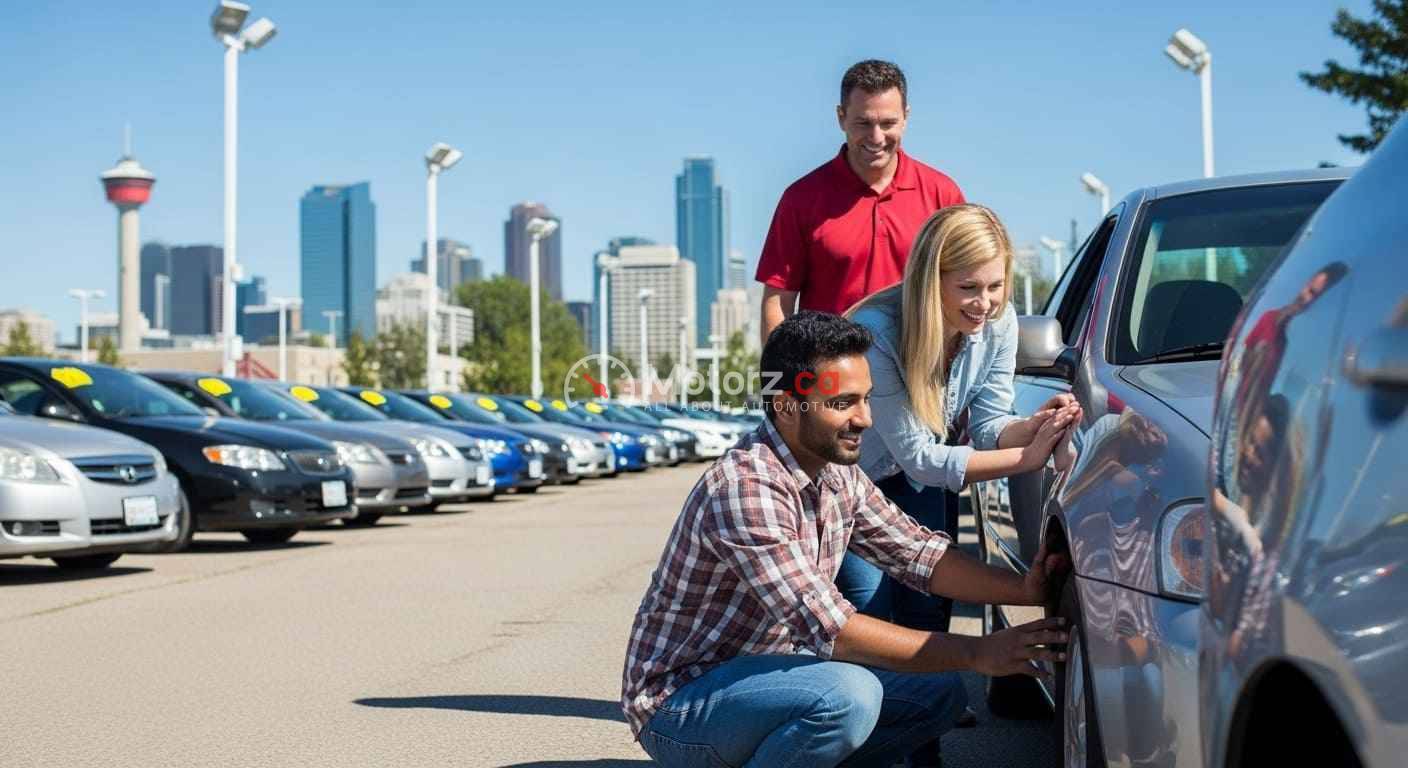
Exterior: Look for dents, scratches, and rust. Pay close attention to the undercarriage, as road salt and moisture from Buying a Used Car winters can accelerate rust formation. Check for mismatched paint on body panels, which could indicate a past repair or collision.
Tires: Check the tread depth and look for uneven wear, which could signal alignment issues. Make sure the tires are a matching set. Don’t forget to check the spare tire.
Interior: Look for signs of water damage (e.g., musty smell, wet carpets). Test all electronics, including the radio, A/C, heater, power windows, and locks. Check the condition of the upholstery, looking for tears or stains.
Check Under the Hood
This is where a little knowledge goes a long way.
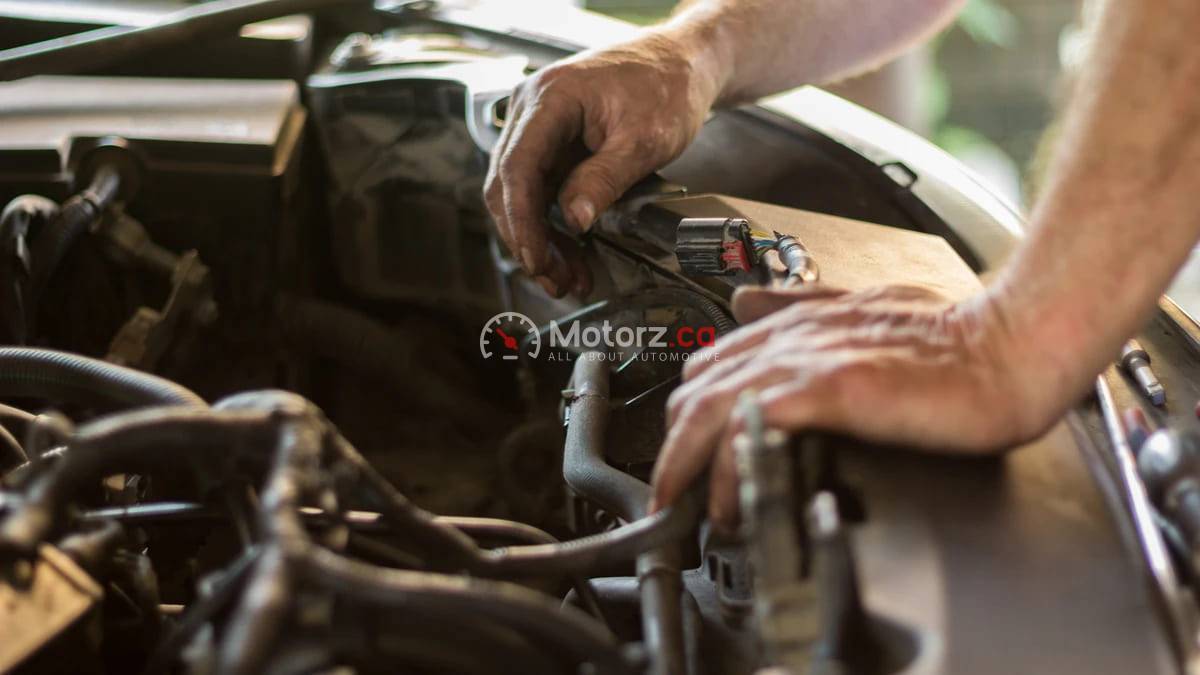
Fluid Levels: Check the engine oil, coolant, brake fluid, and transmission fluid. Look for signs of contamination, leaks, or low levels. A milky residue on the oil cap can be a sign of a head gasket problem.
Belts and Hoses: Inspect them for cracks, fraying, or wear.
Battery: Check for corrosion on the Buying a Used Car.
Engine Bay: Look for any evidence of recent repairs, leaks, or rust.
The Test Drive and Pre-Purchase Inspection
You’ve done the preliminary work. Now it’s time to see how the car performs on the road.
The Test Drive
Start with a Cold Engine: Pay attention to how the car starts. Listen for any strange noises, like grinding or tapping.
Drive a Varied Route: Take the Buying a Used Car on city streets, a highway, and even a bumpy side road.
Listen and Feel: Pay attention to the engine and transmission. Does it shift smoothly? Is there any hesitation? Do you hear any unusual noises when you brake or turn? Does the car pull to one side?
Test the Brakes: Test the brakes at different speeds, listening for grinding or squealing. The pedal should feel firm, not soft or “Buying a Used Car.”
Test the Steering: The steering wheel should feel tight and responsive. There should be no excessive play.
The Pre-Purchase Inspection (PPI)
This is perhaps the most important step of all, especially when buying from a private seller. Take the car to a licensed, independent mechanic you trust for a thorough PPI. They will be able to check components that you can’t, like the suspension, exhaust system, and internal engine components. A PPI typically costs a few hundred dollars, but it can save you thousands in future repairs.
Finalizing the Purchase: Don’t Rush It
You’ve found the perfect Buying a Used Car, and the inspection came back clean. Now it’s time to seal the deal.
The Paperwork
The Bill of Sale: This is your proof of purchase. Make sure it includes the vehicle’s VIN, the full names and contact information of both the buyer and seller, the purchase price, and a detailed description of the car. In Alberta, a bill of sale is legally binding.
Lien Check: A VHR will show any liens, but you can do an additional check at a registry office for peace of mind.
Registration: You cannot legally drive the car without valid insurance and registration. Visit a registry agent in Calgary with your bill of sale, proof of insurance, and valid ID to register the vehicle in your name.
Negotiation
Armed with your research and inspection results, you are in a strong position to negotiate. If the PPI revealed any issues, you can use that as leverage to either get the seller to fix them or lower the price.
A Local Perspective: Buying a Used Car in Calgary
Calgary’s unique climate and driving conditions mean you need to be extra vigilant. The long, cold winters and heavy use of road salt can cause premature rust and strain on mechanical components like batteries and starters. However, many Buying a Used Car take excellent care of their vehicles, and the abundance of car clubs and detailing services means there are many well-maintained cars on the market.
By following this ultimate checklist, you’ll be well-equipped to find a reliable used car and avoid the common pitfalls of the buying process. A little bit of planning and a lot of patience will lead you to a vehicle that will serve you well on the streets of Buying a Used Car and beyond.