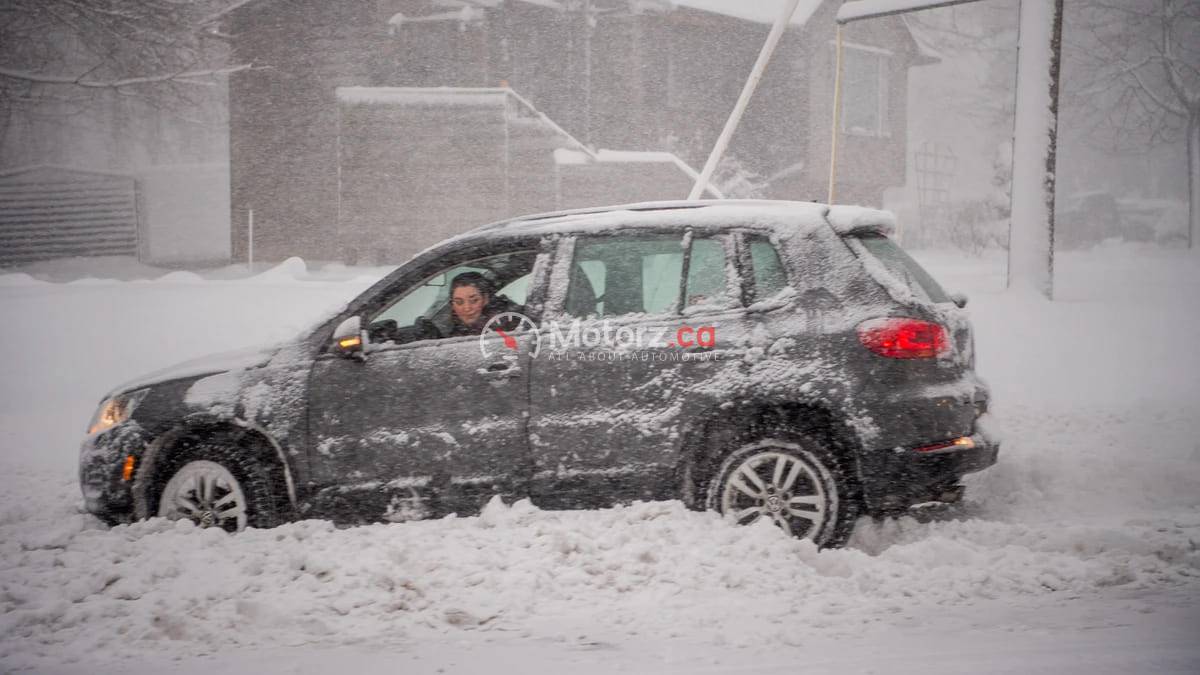
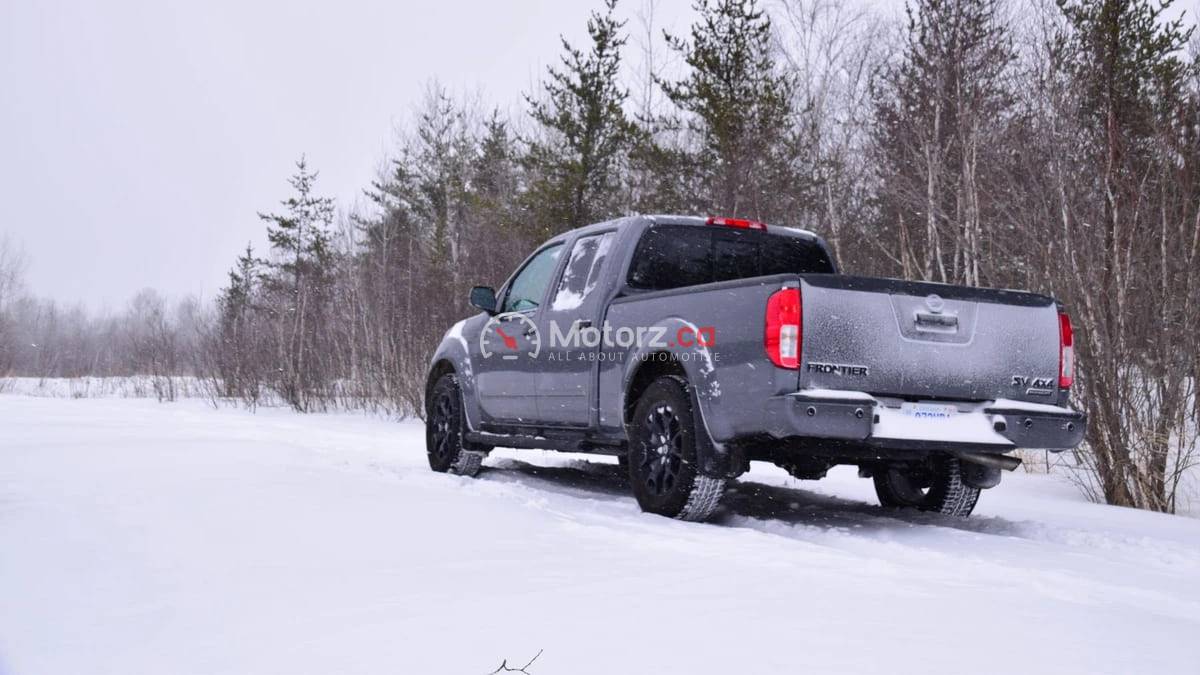
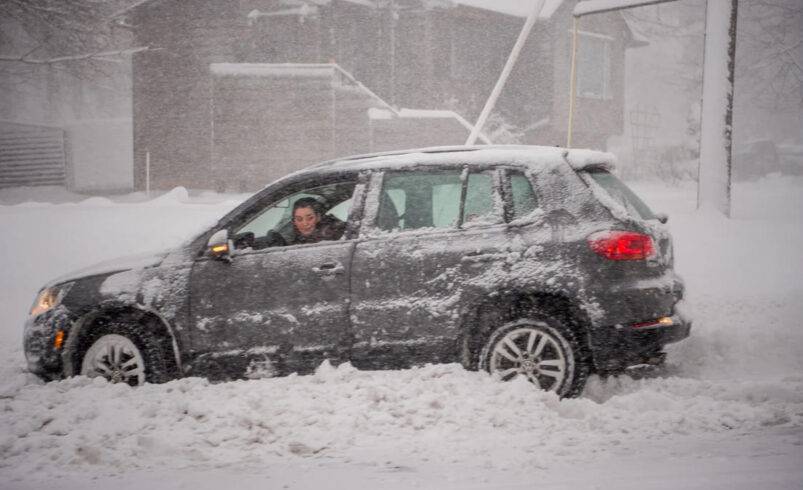

We have all been there. You wake up, look out the Snow and Ice Fast, and see your car transformed into a giant, frozen marshmallow. You are already running five minutes late for work, the wind is howling, and your windshield is encased in a sheet of ice that feels as thick as armor plating. In the heat of the moment, it is tempting to pour boiling water on the glass or use a metal shovel to hack away the frost, but these “quick fixes” often lead to shattered glass and scratched paint.
Removing snow and ice from your vehicle is a winter ritual that requires the right technique to ensure safety and prevent costly damage. If you leave a “snow cap” on your roof, it can slide down and block your vision while braking or fly off and hit the driver behind you. If you don’t clear your sensors, your high-tech safety features might fail when you need them most.
In this guide, we are sharing five expert tips to help you de-ice your car efficiently. From the best tools to use to the science of preventing ice from sticking in the first place, this is your roadmap to a clear view and a safer winter commute.
Use the Right Tools Snow and Ice Fast
The most important step in clearing your car is having a dedicated winter toolkit. Many drivers try to make do with credit cards, spatulas, or even hot water, but these are recipes for disaster.
The Extendable Snow Brush and Scraper
Invest in a high-quality, extendable snow brush. Long-handled brushes allow you to reach the center of the roof on an SUV or truck without leaning against the salty, dirty side of the vehicle.
The Scraper: Look for a scraper with a brass or high-strength plastic blade. Brass is softer than glass but harder than ice, making it incredibly effective at peeling back frost without leaving scratches.
The Brush: Ensure the bristles are soft and flagged at the ends to prevent micro-scratches on your clear coat.
Avoid the “Hot Water” Trap
Never, under any circumstances, pour hot or boiling water on a frozen windshield. Glass expands rapidly when heated. If there is a microscopic chip or even just extreme tension from the cold, the thermal shock will cause the windshield to crack or shatter instantly. Use the chemical and mechanical methods mentioned below instead.
Start the Engine and Set the Defroster Early
Before you grab the scraper, you need to enlist the help of your car’s heating system. This is a “bottom-up” approach to de-icing.
The Warm-Up Procedure
Clear the Exhaust: Ensure there is no snow blocking your tailpipe to prevent carbon monoxide from backing up into the cabin.
Start the Engine: Set your climate control to the “Defrost” setting with the temperature at the highest level.
Use the AC Button: Ensure the Air Conditioning (AC) is on. Even though you want heat, the AC acts as a dehumidifier, which prevents your breath from fogging up the inside of the glass while you work on the outside.
Rear Defrost: Turn on the heated rear window and heated side mirrors.
By the time you finish brushing the loose snow off the body of the car, the heat from the vents will have loosened the bond between the ice and the windshield, making the scraping process significantly easier.
The Science of De-Icing Sprays
If you are dealing with a thick layer of “glaze ice” from freezing rain, a mechanical scraper might not be enough. This is where chemical de-icers come into play.
Homemade De-Icing Solution
You don’t need to spend 15 units of currency on a store-bought spray. You can make a highly effective version at home using common household items.
The Recipe: Mix two parts Isopropyl Alcohol (rubbing alcohol) with one part water in a spray bottle.
Why it Works: Isopropyl alcohol has a much lower freezing point than water (it stays liquid down to approximately -112 Celsius). When sprayed on ice, it lowers the freezing point of the ice, causing it to melt rapidly.
Tip: Add a few drops of dish soap to the mix. This helps the solution “cling” to the vertical glass and provides a bit of lubrication for your scraper.
Clear the “Hidden” Safety Zones
Many drivers stop as soon as they can see a small “porthole” through the windshield. This is dangerous and, in many regions, illegal. You must clear the areas that allow you to see and be seen.
Sensors and Cameras
Modern cars are covered in “eyes.” If your vehicle has Adaptive Cruise Control, Lane Keep Assist, or Parking Sensors, these are usually located in the front grille, behind the rearview mirror, and on the bumpers.
The Fix: Gently wipe these areas with a soft cloth. If they are covered in salt or ice, your car may throw an error code or, worse, provide a false safety reading.
Roof and Trunk
Leaving a foot of snow on your roof is a major hazard. As the cabin warms up, the bottom layer of snow on the roof melts. When you hit the brakes, that entire sheet of snow can slide forward onto your windshield, completely blinding you in traffic. Use your extendable brush to push snow off the roof toward the sides of the car, not toward the front or back.
Lights and License Plates
Ensure your headlights, taillights, and turn signals are completely visible. LED lights run much cooler than old halogen bulbs, meaning they won’t “melt” the snow off themselves while you drive. You have to do the work manually.
Prevention: The Best Way to Clear Snow is to Not Have Any
If you know a storm is coming and you don’t have a garage, you can take proactive steps the night before to save yourself thirty minutes of work in the morning.
Windshield Blankets
A dedicated windshield frost guard is a heavy-duty fabric cover that clips into your doors. In the morning, you simply peel the cover off, and the glass underneath is perfectly clear.
The DIY Version: In a pinch, a large piece of cardboard or an old bath towel weighted down by the wiper arms can work, though they may stick if the snow turns to rain and then freezes.
The “Socks on Wipers” Trick
To prevent your wiper blades from freezing to the glass, lift them up away from the windshield overnight. To keep the rubber from getting encased in ice, slide an old pair of tube socks over the blades. This keeps the rubber supple and ready to move in the morning.
Vinegar Prevention
Some drivers swear by spraying a mixture of three parts white vinegar and one part water on their windows the night before. This creates a thin barrier that makes it harder for frost to form, though it is less effective against heavy snow or freezing rain.