
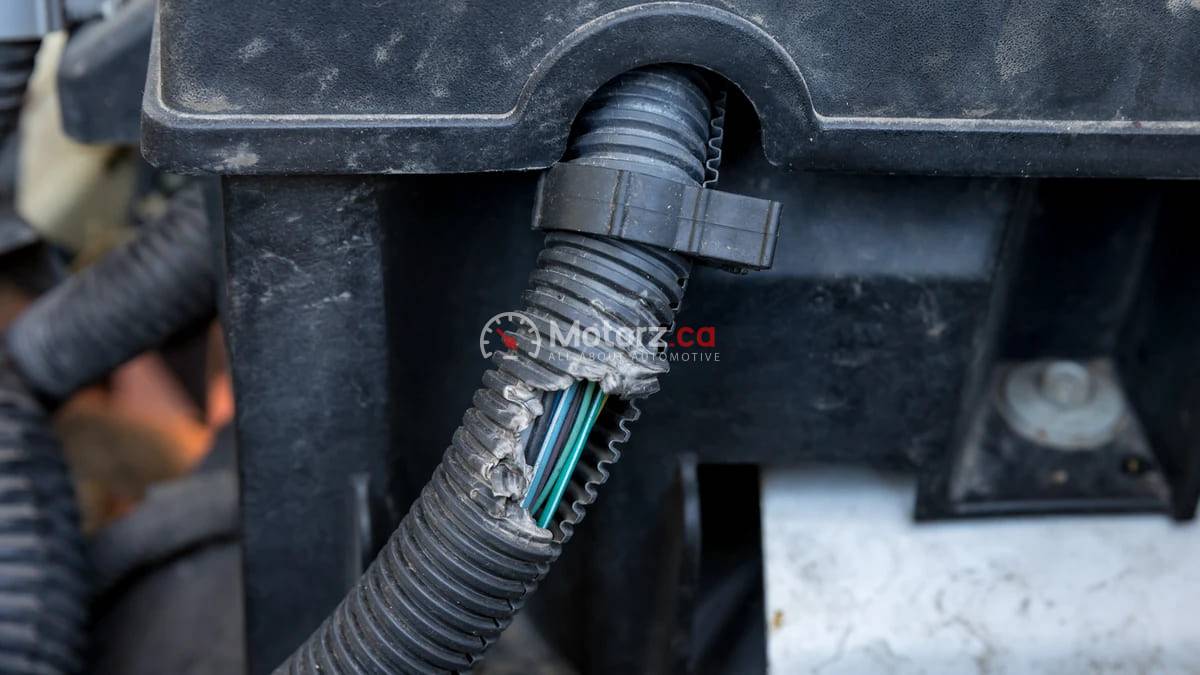

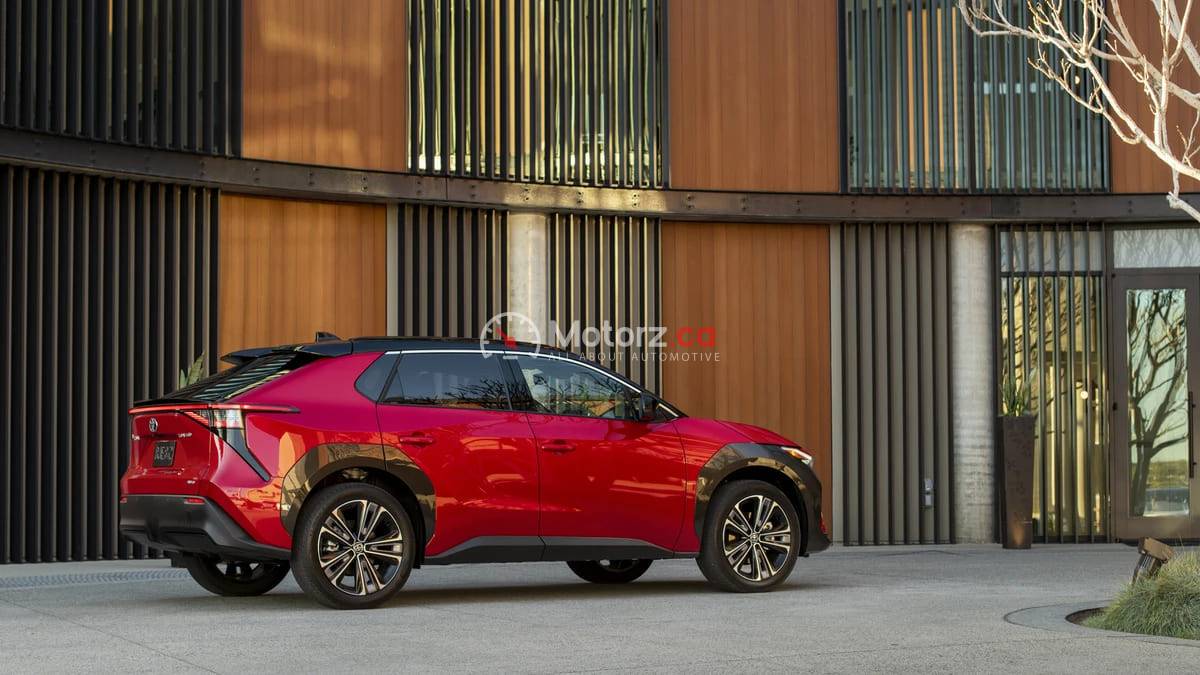

The irony is startling: a brand-new Toyota bZ4X and Subaru Solterra with a massive, fully charged lithium-ion battery pack—capable of powering a home—can be completely immobilized by the failure of a single, conventional 12-volt auxiliary battery.
This is the frustrating reality facing owners of the 2023–2025 Toyota bZ4X and its mechanically identical twin, the Subaru Solterra. Designed to be the reliable, mass-market entry of two automotive giants into the electric age, these vehicles are instead becoming synonymous with repeated, premature 12V battery drain and failure. Owners are reporting vehicles that “brick” themselves—unable to unlock doors, power the dash, or even initiate the start sequence—often after sitting unused for just a couple of days.
This is not a minor inconvenience; it is a fundamental flaw that renders a charged EV useless and has now led to a class-action lawsuit against both Toyota and Subaru. This investigative analysis dives into the heart of the bZ4X and Solterra 12-volt battery problem, exploring the suspected causes, the frustrating lack of a permanent fix, and what owners must do to protect themselves and their investment.
The Role of the Toyota bZ4X and Subaru Solterra
The misconception that a large traction battery powers everything is a major reason this problem is so confusing to new EV owners.
The Unsung Hero: Why the EV Needs a 12V Battery
In a traditional gasoline car, the 12-volt battery provides the initial surge of power to run the starter motor and ignition system. In an EV, its function is different but equally critical.
The Activation Relay: The 12V battery acts as the gatekeeper for the entire electrical system. It powers the relays and contactors necessary to connect the massive high-voltage (HV) traction battery to the drive motors. If the 12V battery is dead, the car’s “brain” cannot wake up, and the main battery remains isolated.
Accessory Power: It powers all the essential low-voltage accessories, including:
Locking and Security Systems
Infotainment and Instrument Cluster
Lights, Wipers, and Horn
Power Seats and Windows
The Paradox: When the 12V battery fails, the car is effectively dead. Owners cannot unlock the doors remotely, the dashboard shows multiple failure warnings (like “Parking Brake Unavailable”), and the vehicle often requires a tow or a jumpstart despite having hundreds of miles of charge remaining in the main battery pack.
The Common Failure Pattern in bZ4X and Solterra
Reports from forums, NHTSA complaints, and the pending lawsuit detail a consistent and alarming pattern across the 2023–2025 model years of both vehicles:
Premature Drain: The 12V battery drains completely within a short period, often 48 to 72 hours of non-use, and sometimes even overnight.
Recurring Failure: Dealerships frequently replace the 12V battery under warranty, but the replacement battery fails again within weeks or months, suggesting the battery itself is not the root cause.
Stranded Drivers: Owners report being stranded in their driveways, parking lots, and remote locations, needing repeated assistance and expensive tow services.
One plaintiff in the lawsuit reported three 12V battery failures within the first 5,000 miles of driving, highlighting the severity and persistence of the issue.
Diagnosing the Root Cause: Parasitic Drain vs. Charging Flaw
The failure is widely agreed upon by experts and frustrated owners to stem from one of two core electrical system design faults, rather than a simple defect in the low-cost 12V lead-acid battery itself.
Suspected Cause 1: Excessive Parasitic Draw
A parasitic draw is any electrical drain that occurs when the vehicle is supposedly “off” or asleep. The highly computerized nature of modern EVs makes them susceptible to this.
Always-On Systems: EVs run multiple systems in the background, including telematics (remote connectivity), security, and thermal management. These systems typically cycle into a very low-power sleep mode after the car is parked and locked.
The “Stay-Awake” Bug: The leading theory suggests a software glitch prevents the car’s computers from entering deep sleep mode. Instead, an electrical component, perhaps related to the remote services application (Toyota App), OBD port communication, or a faulty controller, remains active, continuously drawing a low, but battery-killing, current.
Insight: Some owners report that deleting the Toyota App from their phones or ensuring the key fob is stored far away from the vehicle appears to temporarily mitigate the issue, suggesting the car’s constant “chatter” with external devices is a major energy drain.
Suspected Cause 2: Flawed DC-DC Charging Logic
The most critical difference between an EV and an internal combustion engine (ICE) car is how the 12V battery is recharged.
The EV Charging Method: In an EV, the alternator is replaced by a DC-to-DC converter, which steps down the massive voltage from the main traction battery (e.g., 400V) to the necessary 12V to charge the auxiliary battery. This charging event should happen automatically whenever the 12V battery’s state of charge falls too low, regardless of the vehicle’s driving status.
The Alleged Flaw: Critics and plaintiffs argue that the charging logic is fundamentally flawed in the bZ4X and Solterra. The DC-DC converter may not reliably or frequently enough check the 12V battery’s health, or it may only initiate the charge cycle when the vehicle is in “Ready” mode (being driven) or when the vehicle is plugged into a Level 1/Level 2 charger—but not when it is simply parked and the main battery is fully charged.
The Unacceptable Outcome: This creates the paradoxical situation where a car can have an 80% charge in the main battery, yet still be rendered inoperable because the small 12V battery was allowed to drain past the point of no return.
The Legal and Brand Ramifications for Toyota and Subaru
The 12V battery issue is more than a technical glitch; it represents a major challenge to the hard-earned reputations of both automakers.
Class Action Lawsuit: Allegations of Prior Knowledge
The consolidated class-action lawsuit, filed in the US Eastern District Court of California, targets both Toyota and Subaru, alleging severe failures of duty:
Breach of Warranty: The plaintiffs claim the repeated failures constitute a breach of the vehicle’s express and implied warranties, arguing the vehicles are “not fit for ordinary use” if they cannot start reliably.
Failure to Warn: The lawsuit alleges that both companies were aware of the 12V battery defect prior to the 2023–2025 models’ release but failed to issue warnings to dealers or customers.
No Permanent Fix: The legal action highlights the frustration that dealers have only provided temporary fixes (replacement batteries) while the underlying electronic or software defect remains unaddressed, costing owners time, towing fees, and diminished vehicle value.
Eroding Trust in EV Reliability
Toyota and Subaru are legacy manufacturers whose primary selling point is bulletproof reliability. This recurring, fundamental failure—the inability of the car to start—directly undercuts their competitive advantage as they attempt to catch up in the fiercely competitive EV sector.
The Perception: When the most basic component of an EV fails repeatedly, it fuels consumer skepticism about the complexity and reliability of all EVs, hindering adoption.
The Contrast: Other manufacturers, including Ford and Hyundai, have faced similar 12V drain issues in their EVs and hybrids but often resolved them quickly through targeted Over-The-Air (OTA) software updates or technical service bulletins (TSBs), showcasing a faster, more proactive response absent from Toyota and Subaru so far.
Essential Owner Strategies and Mitigation Techniques
Until an official, definitive software update or recall is issued, bZ4X and Solterra owners must adopt strategies to prevent being stranded.
Proactive Charging and Monitoring
The temporary workarounds focus on maintaining the health of the susceptible 12V battery.
The External Trickle Charge: The most reliable preventative measure is to use an inexpensive 12V trickle charger or battery maintainer if the car is going to sit for more than a few days, especially in cold weather. This external device ensures the 12V battery remains topped up and healthy.
Unplug Accessories: Remove any aftermarket devices plugged into the OBD-II port, such as tracking dongles or certain dash cam connections, as these are a known source of parasitic draw that can keep vehicle systems from fully shutting down.
Fob Distance: Store the key fob far away from the vehicle (outside of proximity range) when parked at home. This prevents the car from constantly “waking up” to communicate with the fob, which can contribute to the drain.
Emergency Preparedness and Lemon Law Insights
Buy a Jump Starter: Every affected owner is highly advised to purchase a compact, lithium-ion 12V jump starter pack and keep it charged and stored in the vehicle. This allows the driver to self-rescue the vehicle when the inevitable failure occurs.
Document Everything: Owners experiencing multiple failures should meticulously document every instance of battery failure, including the date, time, vehicle mileage, photos of dashboard warnings, towing invoices, and every dealer service record (showing the battery was replaced). This evidence is critical for pursuing Lemon Law claims if the issue remains unresolved after multiple repair attempts.
Key Insight: The failure of the 12V battery in the bZ4X and Solterra not only renders the car immobile but, as some owners report, can also lock the wheels, making the vehicle challenging to tow safely, further escalating the inconvenience. A jump starter is the most immediate defense.
The Pat Forward: Software Fixes and Regulatory Pressure
The focus for Toyota and Subaru must shift from simply replacing batteries under warranty to identifying and fixing the electrical system’s failure point—most likely a software patch addressing the parasitic draw or the faulty DC-DC charging logic.
The ongoing class-action lawsuit is applying significant pressure, forcing the automakers to dedicate resources to engineering a permanent solution. Until an official Technical Service Bulletin (TSB) or software update is released by either company, the 12V battery issue will continue to plague these otherwise well-engineered EVs, undermining the reputation of the manufacturers and frustrating the early adopters who trusted them in the electric transition.