
The hunt for a used car can feel like a high-stakes game. You’re searching for a diamond in the rough—a reliable, affordable vehicle that will serve you for years to come. But with so many options, and so many potential pitfalls, the process can feel more like a minefield than a treasure hunt. This is especially true in Quebec, where unique climate and legal factors add a layer of complexity to the buying process.
A quick walk-around and a short test Used Car Inspection are simply not enough to protect your investment. To truly make a smart decision, you need a comprehensive, step-by-step checklist tailored specifically to the Quebec context. This ultimate guide will walk you through every phase of a proper used car inspection, from the initial research to the final professional assessment. By following these steps, you will be empowered to spot a hidden gem and avoid a costly mistake that could drain your wallet and your patience.
The Quebec Factor: Why a Special Checklist?
Before we begin the Used Car Inspection, we must first address why a generic “used car checklist” from a U.S. or Western Canada website simply won’t cut it. Buying a used car in Quebec comes with its own set of unique challenges and legal considerations.
The Rust Factor
Used Car Inspection harsh winters and the liberal use of de-icing salts on our roads create a breeding ground for rust. This isn’t just a cosmetic issue; rust can eat away at a vehicle’s structural integrity, including the frame, brake lines, and suspension components, making it unsafe. A car that has spent its life in Quebec will likely have some level of rust, and knowing how to distinguish between cosmetic and dangerous rust is crucial.
The SAAQ and Mandatory Used Car Inspection
The Société de Used Car Inspection automobile du Québec (SAAQ), the provincial body responsible for vehicle registration, has strict rules about mandatory mechanical inspections. This is a critical factor for a used car buyer. You need to know that some vehicles, particularly those coming from outside the province, or those with a history of severe damage, cannot be registered until they pass a full SAAQ mechanical inspection. Failing this inspection can mean thousands of dollars in repairs before you can even legally drive your new-to-you car.
The Initial Due Diligence
Before you even think about setting up a viewing, there are several key steps you must take to protect yourself from scams and problematic Used Car Inspection.
The Vehicle History Report
The first step in any used car purchase should be to obtain a comprehensive vehicle history report, such as a Used Car Inspection or a similar service. This report provides a detailed timeline of the vehicle’s life, including:
- Accident History: Was the car ever involved in a major or minor collision? Was it declared a total loss?
- Service Records: Was the vehicle regularly maintained? Are there gaps in its service history?
- Liens and Title Status: Is there an outstanding loan on the car? This is a critical check to ensure the seller has the legal right to sell it.
In Quebec, it’s a good practice to ask for a Used Car Inspection that also includes information from the RDPRM (Registraire des droits personnels et réels mobiliers), a public registry where you can check for liens.
The VIN Check and SAAQ Database
You can do a quick check to see if the vehicle has been declared a total loss by visiting the SAAQ website and using their SAAQclic service. You’ll need the vehicle’s VIN (Vehicle Identification Number) to do this. This is a quick and easy way to filter out Used Car Inspection with a history of being “written off,” which can be a huge red flag.
The Right Questions to Ask the Seller
Even before you see the car, you can gather Used Car Inspection information. Call or email the seller and ask these questions:
- “Why are you selling the vehicle?” (Listen for a consistent story, not a vague excuse.)
- “How long have you owned it?”
- “Can you show me a detailed maintenance history?”
- “Can I see a copy of a recent mechanical inspection or SAAQ report?”
- “Has the car ever been in an accident?”
- “Is there any rust on the Used Car Inspection?” (Their answer will give you a baseline for what to look for.)
- “Has the car ever been stored for more than 12 months?” (Crucial for avoiding a mandatory SAAQ inspection.)
The Physical Inspection
This is where your inner mechanic comes out. Armed with a flashlight, a magnet, and a discerning eye, you will perform a detailed inspection of the vehicle.
The Exterior Walk-Around
- Paint and Panels: Stand back and look at the car from different Used Car Inspection. Do the panels align? Is the paint a consistent colour, or are there variations in texture or shade? A tell-tale sign of a shoddy repair is “orange peel” texture or misaligned panels. Look for bubbling under the paint, which is a key sign of rust trying to push its way through.
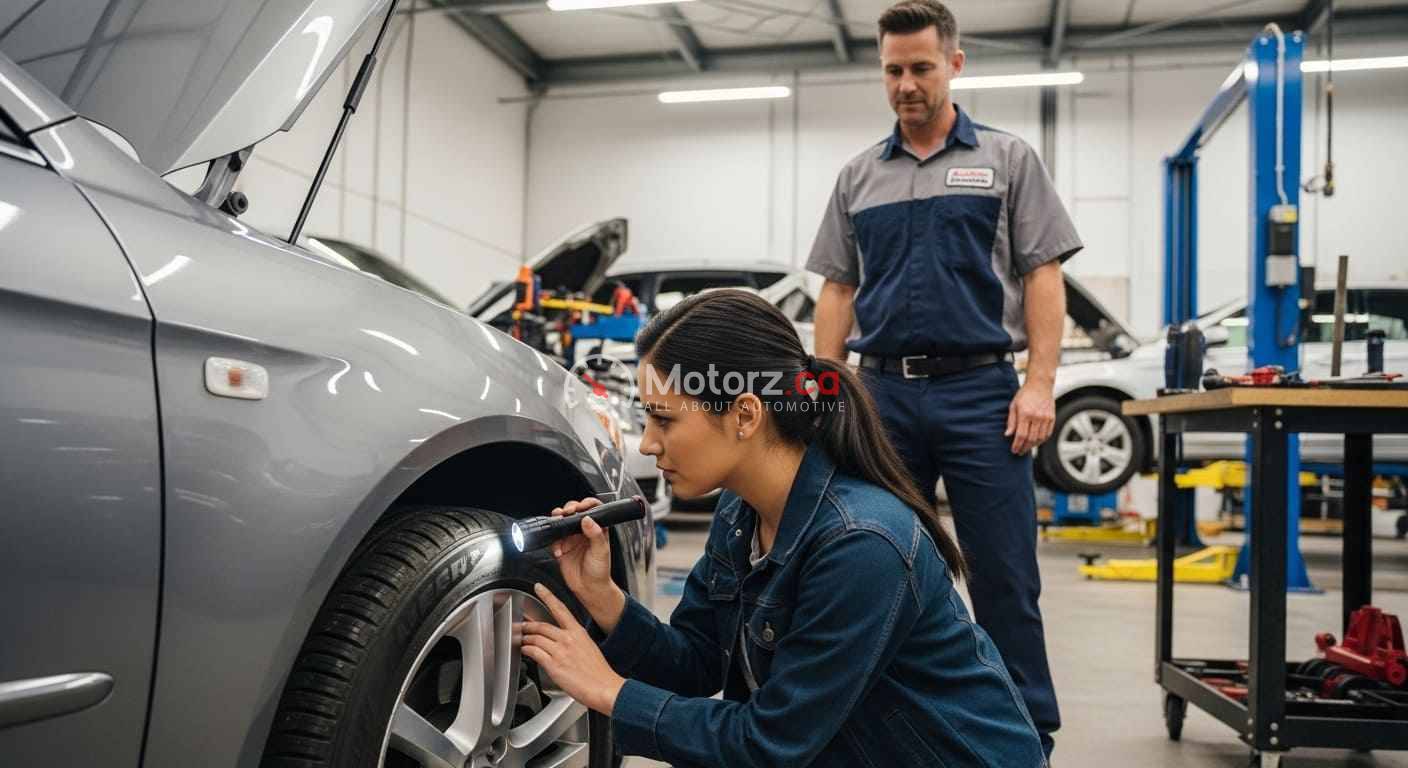
- Tires: Check the tires for even wear. If the front tires are worn on the inside or outside, it could indicate an alignment or suspension problem. Also, check the age of the tires. A quick search for the DOT code on the sidewall will tell you when they were manufactured. If they’re old, you’ll need to budget for a new set soon.
- Lights: Check that all Used Car Inspection, taillights, turn signals, and brake lights are working.
- Windshield: Look for chips or cracks. Even a small chip can turn into a large crack from the freezing and thawing cycles of a Quebec winter.
Under the Hood
With the engine off, open the hood and take a good look around.
- Fluid Levels: Check the oil and transmission fluid levels. Look for a milky white color in the oil (a sign of a head gasket issue) or a burnt smell in the transmission fluid.
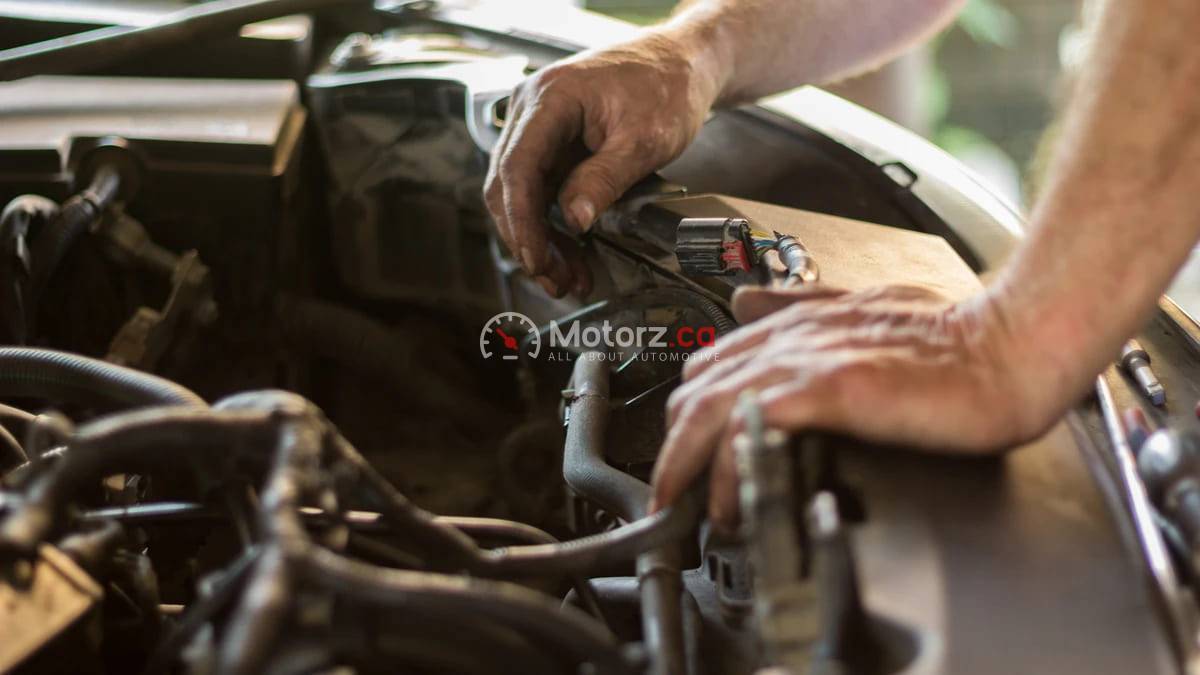
- Belts and Hoses: Used Car Inspection all belts and hoses for cracks, fraying, or bulges. These are all signs of wear and tear that can lead to a costly breakdown.
- Leaks: Look for any signs of leaks on the ground or on the engine itself. A clean engine bay might be a red flag, as it could have been washed to hide a leak.
The Undercarriage (The Quebec Priority)
This is the most critical part of your Quebec inspection. Bring a flashlight and be prepared to get on your hands and knees.
- Frame and Structural Components: The most important thing to look for is rust on the frame, or unibody. Don’t be too concerned about light surface rust on the exhaust system or some suspension components, as this is Used Car Inspection. However, if you see rust that has caused holes or large flakes, or if you can see it on the structural parts of the frame, walk away immediately. If you’re seriously considering the car, use a rubberized hammer to tap on the frame in a few spots. If you hear a solid sound, it’s a good sign. If you hear a crunching sound, that’s rust, and it’s a deal-breaker.
- Brake and Fuel Lines: Trace the brake and fuel lines to check for rust. If a brake line rusts through, you could lose your brakes in an instant. This is a major safety concern.
The Interior
The interior can tell you a lot about how the car was treated.
- Signs of Flooding: Check under the floor mats for Used Car Inspection, mildew, or rust. Check for musty smells or signs of water lines on the seats or door panels.
- Wear and Tear: Look at the steering wheel, pedals, and seats. The wear on these items should be consistent with the odometer reading. If a car has low mileage but the interior looks worn out, the odometer may have been tampered with.
- Electronics: Test every button, switch, and function in the Used Car Inspection. Check the radio, power windows, seat warmers, air conditioning, and all dashboard lights.
The Test Drive
A test drive is more than just a quick spin around the block. You need to simulate a variety of driving conditions.
- Start-Up: Listen to the engine when it first Used Car Inspection. Does it hesitate or make any strange noises?
- Acceleration and Braking: On a quiet street or a parking lot, test the brakes for firm and consistent stopping power. On a highway, accelerate to highway speeds and listen for any vibrations or strange noises.
- Steering: On a flat road, does the car pull to one side? A misaligned steering wheel or pulling could indicate a past accident or a suspension issue.
- Listen to the Squeaks and Squeals: Listen for any clunks, rattles, or grinding sounds. These can indicate problems with the suspension, bearings, or brakes.
The Professional Inspection: The Final Word
If you’ve followed this Used Car Inspection and you’re happy with the car, do not skip this final step. A professional pre-purchase inspection by a certified mechanic is the best money you will ever spend. For a few hundred dollars, a mechanic will put the car on a lift and perform a detailed, multi-point inspection that is far more thorough than what you can do yourself.
They will be able to spot issues you missed, such as a failing transmission, hidden rust, or a bad head gasket. This inspection can save you thousands of dollars in future repairs or, at the very least, give you a powerful tool to negotiate a lower price with the seller.