

The Battery Deal in North America used EV market is maturing rapidly. What was once dominated by a handful of first-generation models now offers a diverse landscape of vehicles from major manufacturers. Understanding the current climate is the first step to a successful purchase.
Market Trends Battery Deal in North America
The used EV segment is seeing a surge in popularity, driven by both competitive pricing and improved availability. As new vehicle supply stabilizes and greater competition pushes new EV prices down, a corresponding softening occurs in the used market, creating excellent value. Key models like the Tesla Model 3, Chevrolet Bolt EV, and Hyundai Kona Electric are seeing strong turnover, which is helping to establish robust, data-backed residual values.
In the first half of 2025, the average price of a used electric vehicle in North America saw a slight increase month-over-month, but the gap between the price of a used EV and a comparable internal combustion engine (ICE) vehicle narrowed to its lowest point yet. This is a critical indicator: used EVs are becoming competitively priced with their gasoline counterparts, especially when factoring in the lower operating costs of an electric car. The sheer volume of models now available means that, unlike previous years, shoppers are not limited to a small selection, offering more choice for every budget.
Battery Degradation Reality Check
One of the biggest concerns for a used EV buyer is battery lifespan and degradation—the natural, gradual loss of the battery’s capacity to hold a charge. This directly impacts the vehicle’s range.
The Good News: Recent long-term studies in 2024 and 2025—including data from over a thousand vehicles—have decisively shown that battery longevity is significantly better than initially predicted. The average modern EV is degrading at a rate of around 1.8 percent per year, a marked improvement from earlier estimates.
The Implication: This low degradation rate means that an EV with an original 250-mile range would still offer approximately 225 miles after five years of average use. For most drivers, this minimal loss is barely noticeable in daily commutes, effectively shattering the myth of rapidly failing used electric car batteries.
This data should give you confidence. Your focus should be on finding a deal with better-than-average battery health, not worrying about inevitable failure.
Key Factors Affecting Used EV Battery Health
Not all electric cars are created equal, and not all batteries are treated equally. While the technology is robust, several factors influence a specific vehicle’s State of Health (SOH). Understanding these factors allows you to look past the vehicle’s age and mileage to assess its true battery value.
Climate and Temperature Management
High temperatures are a known accelerator of battery degradation. EVs operating in consistently hot climates (like the southwestern US) without robust thermal management systems tend to show faster capacity loss.
Liquid-Cooled Systems: Most modern EVs—including all Tesla models, the Kia EV6, Ford Mustang Mach-E, and Volkswagen ID4—use sophisticated liquid-cooling systems that actively manage battery temperature. This technology is a must-have for minimizing degradation and should be a non-negotiable feature in your used EV search.
Air-Cooled Systems: Older models like the original Nissan Leaf used passive air-cooling. While still reliable, these cars are more susceptible to capacity loss in hot climates. If you live in a moderate climate, an air-cooled model might be a great value, but buyers in hot areas should exercise caution and prioritize SOH data.
Charging Habits
The way an EV was charged by its previous owner is a crucial indicator of its long-term battery health.
DC Fast Charging (DCFC): Frequent and excessive use of Level 3 DC fast charging generates heat, which can stress the battery. A car that was primarily a road-trip vehicle and fast-charged daily will likely show more degradation than one that was gently charged at home.
Optimal Daily Charging: The healthiest practice for an EV battery is to maintain the charge level between 20 percent and 80 percent for daily use. A previous owner who consistently followed this EV battery care rule has preserved its health.
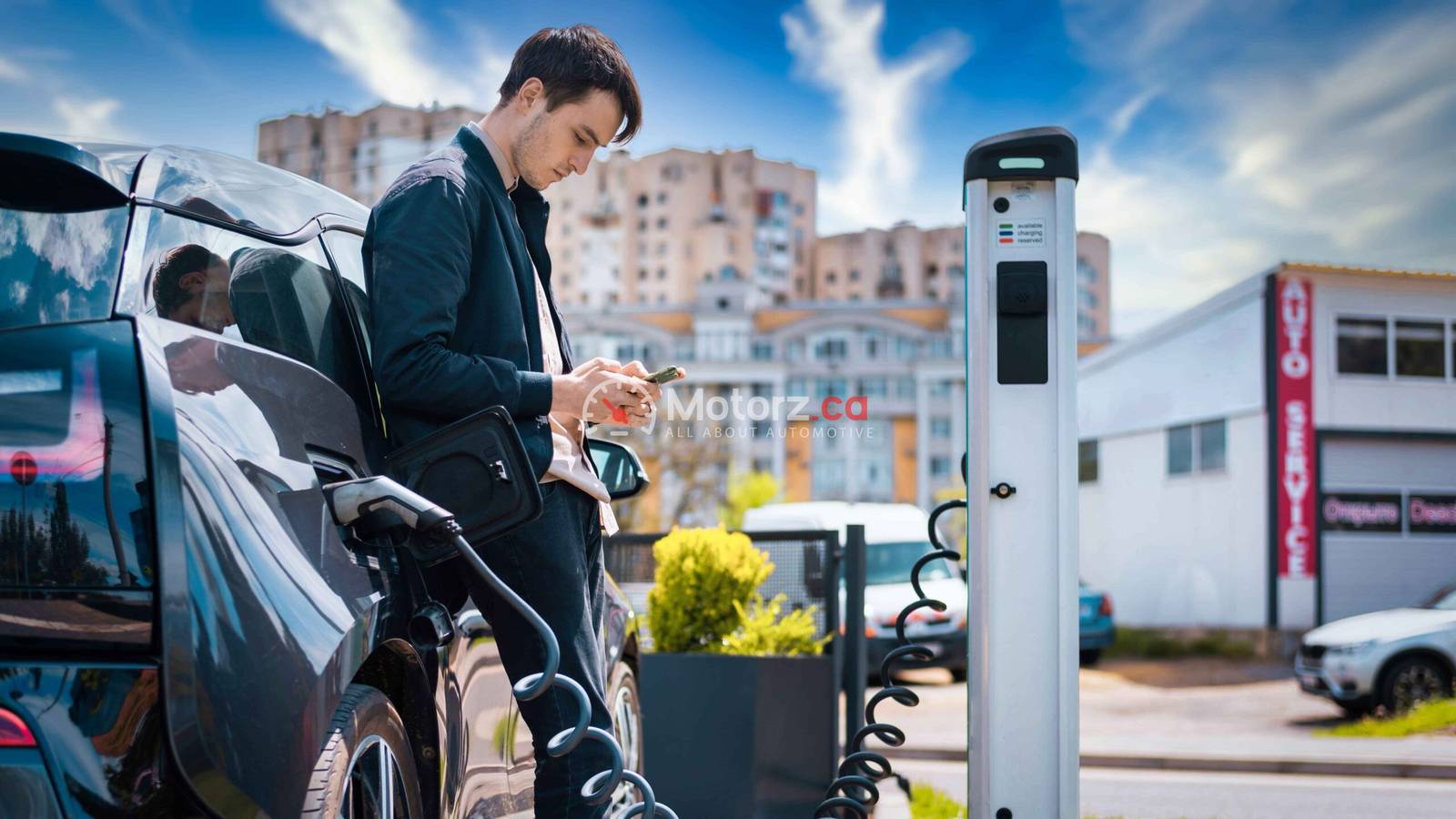
The Sweet Spot: Level 2 (240-volt) home charging for daily needs is the gentlest method. Look for evidence of a vehicle that was predominantly charged this way.
Battery Chemistry
Different battery chemistries have distinct aging characteristics. As of 2025, two main types dominate the North American market:
Nickel-Manganese-Cobalt (NMC) / Nickel-Cobalt-Aluminum (NCA): These are the high-energy density batteries found in most long-range EVs (e.g., Tesla Long Range, Chevrolet Bolt). They offer excellent range but prefer not to be charged to 100 percent daily.
Lithium Iron Phosphate (LFP): Increasingly used in standard-range models (e.g., some Tesla Model 3 RWD variants), LFP chemistry is known for its excellent cycle life and durability. A key advantage is that they can be charged to 100 percent more frequently without the same long-term stress, potentially making these vehicles a better option for buyers who need full range every day.
Best Used EVs for Battery Health
The latest degradation data reveals clear winners when it comes to long-term EV battery reliability.
The Essential Battery Health Checklist for Buyers
This is the most critical section of the guide. Your best battery deal depends on your ability to verify the battery’s condition before you buy.
Check the Battery Warranty
Every EV sold in North America comes with a federally mandated warranty on its electric car battery.
The Standard: The minimum required battery warranty is eight years or 100,000 miles, guaranteeing that the battery will maintain at least 70 percent of its original capacity (State of Health).
Your Strategy: The first question to ask is: Is the original battery warranty still active? Most used EVs currently on the market will still be covered. This warranty acts as your ultimate insurance policy. If the battery fails or degrades below the 70 percent threshold during the warranty period, the manufacturer must repair or replace it at no cost to you.
Determine the State of Health (SOH)
The most important metric is the SOH. Do not rely on the simple range estimate displayed on the dashboard, as this number fluctuates based on recent driving and climate. You need a dedicated reading.
Dealer Diagnostics: A reputable dealership should be able to provide a recent, official battery diagnostic report showing the SOH percentage. Demand this report.
Third-Party Tools/Apps: For vehicles like the Nissan Leaf, apps such as LeafSpy (used with a Bluetooth OBD-II dongle) can provide an accurate SOH reading. For Tesla models, the SOH is usually accessible through the vehicle’s service mode or confirmed by checking the maximum range it reports when charged to 100 percent (compared to its original maximum range).
The Benchmark: Aim for a vehicle with an SOH of 90 percent or higher for cars under three years old, and a minimum of 85 percent for vehicles older than that. Anything below 80 percent may still be under warranty, but it is a strong indicator of poor previous EV battery care and may impact your range significantly.
Review the Vehicle History Report
A vehicle history report (like CarFax or AutoCheck) is essential for any used car, but for an EV, it’s vital for the battery.
Accident Check: Any accident that involves a strike to the underside of the vehicle could potentially damage the battery pack enclosure. Look for reports of collisions and ensure any necessary battery inspection or repair was completed by a certified technician.
Ownership and Usage: While not always available, try to gauge if the vehicle was a rental or a fleet vehicle, which might indicate frequent fast charging or aggressive driving. A one-owner vehicle with a clear history is generally the safest bet for used EV battery health.
Maximizing Your Value and Negotiating the Deal
With your battery research complete, you are in a prime position to negotiate the best price for your used electric car.
Pricing Based on Battery Health
In 2025, the market is beginning to price used EVs not just on mileage and trim level, but specifically on the SOH. A vehicle with an 85 percent SOH should be priced lower than an identical vehicle with a 95 percent SOH, even if the odometer readings are the same.
The “Range Premium”: Use a high SOH (90 percent and above) as confirmation of value, but use a lower-than-expected SOH (80-85 percent) as a powerful negotiating point. Calculate the loss in range and use that tangible figure to justify a price reduction. For example, if a car is 15 percent down on range, you can argue for a 5 percent reduction on the selling price due to the accelerated battery wear.
Look for Certified Pre-Owned (CPO) Programs
Many manufacturers now offer CPO programs for their used EVs. These programs typically include a multi-point inspection, often a thorough battery health check, and a warranty extension beyond the original factory coverage. While CPO vehicles cost slightly more upfront, the peace of mind they offer regarding the electric car battery can easily offset the added cost, especially for a first-time used EV buyer.
Factor in Total Cost of Ownership (TCO)
Remember that a great deal is about more than the sticker price.
Fuel Savings: Factor in the savings on gasoline. This is the core economic benefit of owning an EV.
Maintenance: EVs have far fewer moving parts than ICE vehicles, resulting in significantly lower maintenance costs. Brakes last longer (due to regenerative braking) and oil changes are eliminated.
Potential Incentives: Depending on your jurisdiction in North America, you may still be eligible for state, provincial, or local incentives or tax credits for buying a used EV, or for installing a home charging station. Research these programs thoroughly, as they can represent thousands of dollars in hidden savings.