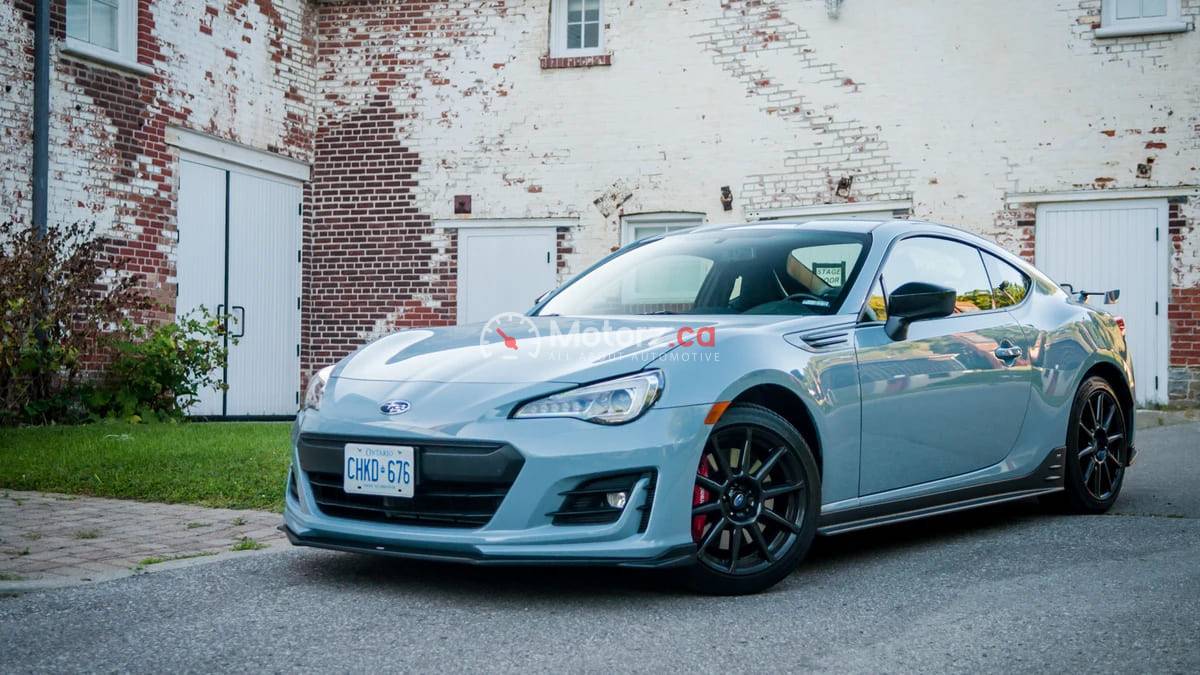

In an era of heavy, Affordable Performance, the “Toyobaru” triplets—the Subaru BRZ, Toyota 86, and Scion FR-S—remain a breath of fresh air for driving enthusiasts. Born from a joint venture between Toyota and Subaru, these rear-wheel-drive coupes were designed with a singular focus: pure driving pleasure.
Whether you are looking for your first drift car, a reliable daily driver with some soul, or a dedicated track weapon, the first generation (internally known as the ZN6/ZC6 platform) is now a staple of the used car market. But with a production run spanning nearly a decade, which year should you choose? And more importantly, how do you spot a “lemon” that has been abused at the local autocross?
This guide breaks down everything you need to know about buying a used 2013-2021 BRZ, 86, or FR-S, from common mechanical quirks to the best model years for your budget.
The Three Affordable Performance: FR-S vs. BRZ vs. 86
While they share 99% of their DNA, there are subtle differences between the three badges that might influence your search.
The Scion FR-S (2013-2016)
Scion was Toyota’s youth-oriented brand in North America. The FR-S was the “purist” version, often arriving with fewer luxury features (like cloth seats and basic radios) to keep the price low. It also featured slightly stiffer rear springs, making it arguably the most “tail-happy” of the three.
The Subaru BRZ (2013-2021)
The BRZ was positioned as the slightly more premium sibling. From day one, it was available with features like Alcantara upholstery, heated seats, and dual-zone climate control. Mechanically, the BRZ used slightly softer rear springs and stiffer front springs, aiming for a more stable, “mature” handling profile.
The Toyota 86 (2017-2021)
When the Scion brand was discontinued in 2016, the FR-S was rebranded as the Toyota 86. These later models received a significant “refresh” (Kouki models), including updated LED lighting, a revised intake manifold, and a small bump in power for manual transmission cars.
Key Mechanical Specs: The Heart of the Flat-Four
Every first-gen model is powered by the 2.0-liter FA20 naturally aspirated boxer engine.
Horsepower: 200 hp (2013-2016) / 205 hp (2017-2021 manual)
Torque: 151 lb-ft to 156 lb-ft
Transmission: 6-speed manual or 6-speed automatic with paddle shifters.
Pro Tip: While the automatic transmission is competent, the soul of this car lives in the manual gearbox. Not only is it more engaging, but the 2017+ manual models also received a shorter final drive ratio (4.3:1 vs 4.1:1), which makes the car feel significantly peppier.
Common Issues and Red Flags: What to Watch For
The “Toyobaru” is generally reliable, but it has a few well-documented quirks that every buyer should check before signing a bill of sale.
The 2013 Valve Spring Recall
The most famous issue affects early 2013 models. A defect in the valve springs could lead to engine failure.
The Catch: While many cars had the recall performed, the repair process was complex. Some engines failed after the recall due to improper reassembly (specifically, excess RTV sealant clogging oil passages).
Our Advice: Check the VIN history. If it’s a 2013, ensure the work was done by a reputable dealer, or better yet, look for a 2014+ model to avoid the headache entirely.
The “Cricket” Noise
You may notice a high-pitched chirping sound coming from the engine bay at idle. This is caused by the high-pressure fuel pump and is affectionately known as “the crickets.” It is harmless and does not affect performance, though it can be annoying. Using ethanol-free fuel or specific fuel additives can sometimes silence them.
Throwout Bearing Failure
On manual cars, a squeaking noise when the clutch pedal is depressed often points to a failing throwout bearing. This is a common wear item, especially on cars driven hard. If you hear it, factor the cost of a new clutch kit into your negotiations.
Taillight Condensation
Earlier models (2013-2015) frequently suffer from leaky taillight gaskets. If you see water droplets or fogging inside the housing, you’ll need to replace the gaskets or the entire unit. It’s a simple DIY fix but a good indicator of how well the car was maintained.
The “Torque Dip” and Performance Modifications
The most criticized aspect of the first-gen BRZ/86 is the “torque dip” between 3,500 and 4,500 RPM. This is an area where the engine’s power delivery flattens out before picking back up near the redline.
Is it a Dealbreaker?
For daily driving, many people don’t notice it. However, if you plan on spirited driving, you will find yourself constantly shifting to stay above the dip.
The Solution: Most owners install unequal length (UEL) headers and an engine tune (like the OpenFlash Tablet). This virtually eliminates the dip and gives the car that classic Subaru “rumble.”
Buying Strategy: Which Year is Best?
If your budget allows, we recommend categorizing your search into two tiers:
The Value Choice (2014-2016): These years avoided the 2013 recall issues but are still significantly cheaper than the refreshed models. The 2015 model received revised suspension dampers that improved ride quality.
The Enthusiast Choice (2017-2020): This “Kouki” refresh brought better interior materials, a nicer steering wheel, and reinforced engine components. If you find a BRZ with the Performance Pack, you’ll also get Brembo brakes and Sachs dampers, which are worth every penny.
Checklist for the Test Drive
When you finally meet a potential car, go through this quick checklist:
Cold Start: Listen for any knocking or heavy tapping. Boxers are naturally a bit noisy, but a heavy “thump” is a bad sign.
Gearbox Feel: The manual should be “notchy” but not grinding. Second gear is notoriously stiff when cold, but it should smooth out as the car warms up.
Modification Quality: These are the most modified cars on the planet. Look for high-quality brands (Ohlins, Whiteline, Grimmspeed) rather than “no-name” parts from eBay. If the car has an intake or header, ask if it has a matching tune.
Underbody Check: Look for scrapes on the subframe or oil seepage near the timing cover.
A Modern Classic in the Making
The Subaru BRZ and Toyota 86 are among the last of a dying breed: simple, lightweight, naturally aspirated sports cars. While they aren’t the fastest cars in a straight line, they offer a level of driver feedback that is hard to find at any price point.
By avoiding the early 2013 models and looking for a well-documented service history, you can own a car that is as reliable as a Corolla but as fun as a Porsche. Happy hunting!