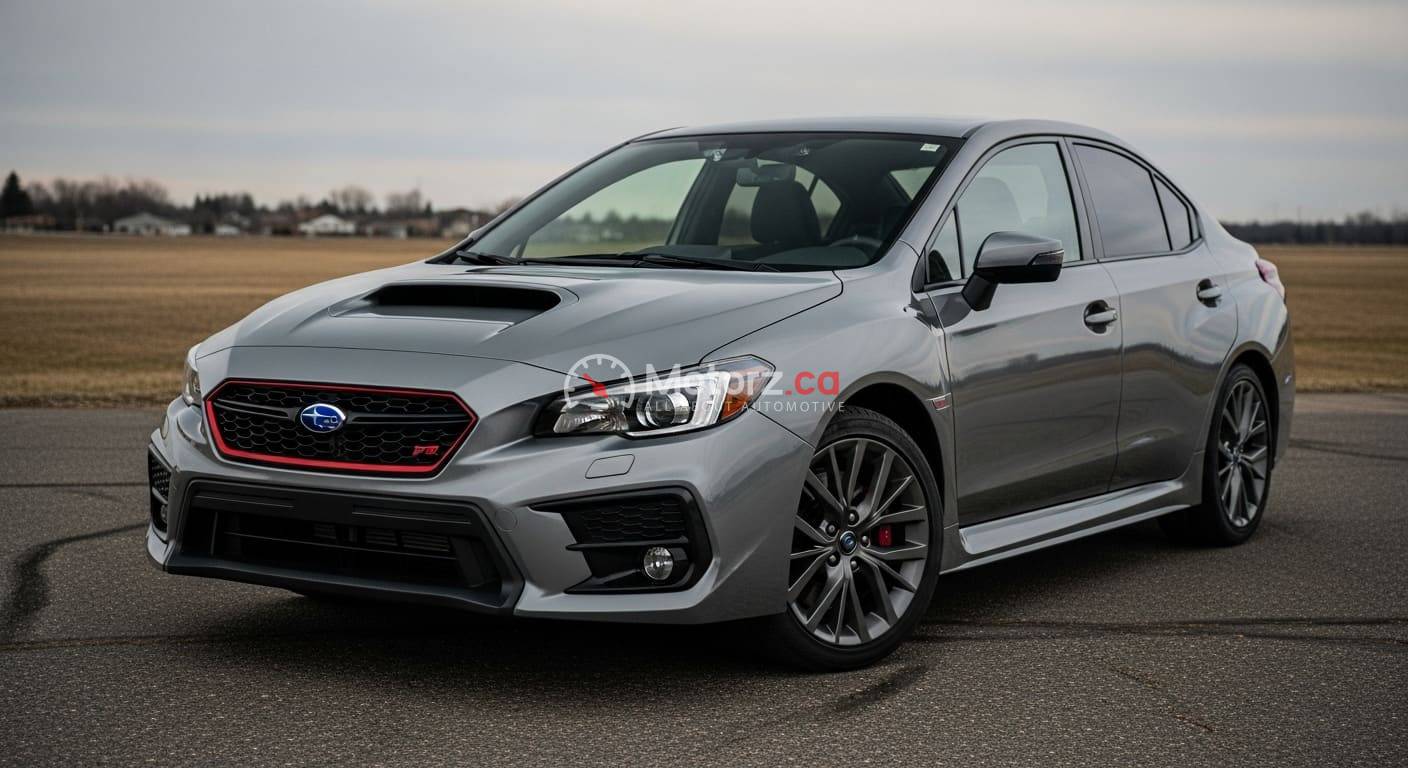

The Subaru WRX has been the reigning champion of accessible performance and year-round fun for decades. Its signature rumble, standard Symmetrical All-Wheel Drive, and rally-bred heritage have cemented its status as a legend. Now, with the latest generation, often referred to by its chassis code VB (2022-present), hitting its stride and the 2025 model year bringing in exciting updates like the new tS trim, the question for every enthusiast is inevitable: Should I go new with the 2025 WRX, or is a used previous generation model (like the 2015-2021 VA or even the classic GD chassis) the smarter, more spirited choice?
This is the ultimate Subaru WRX buying guide, a deep dive into the true cost, performance, technology, and reliability differences between the new and the previous generations of this iconic sport compact.
The Core Power Plant: Subaru WRX Worth
The heart of the debate often lies right under the hood. The current generation Subaru WRX Worth, including the 2025 model, is powered by the FA24 DIT (Direct Injection Turbo) engine. This is a major departure from earlier generations.
The New King: 2.4L FA24 DIT
The 2025 WRX continues with the 2.4-liter turbocharged Boxer engine, producing a healthy 271 horsepower and 258 pound-feet of Subaru WRX Worth. While the peak power is only slightly higher than the outgoing model, the FA24 delivers a much broader, flatter torque curve.
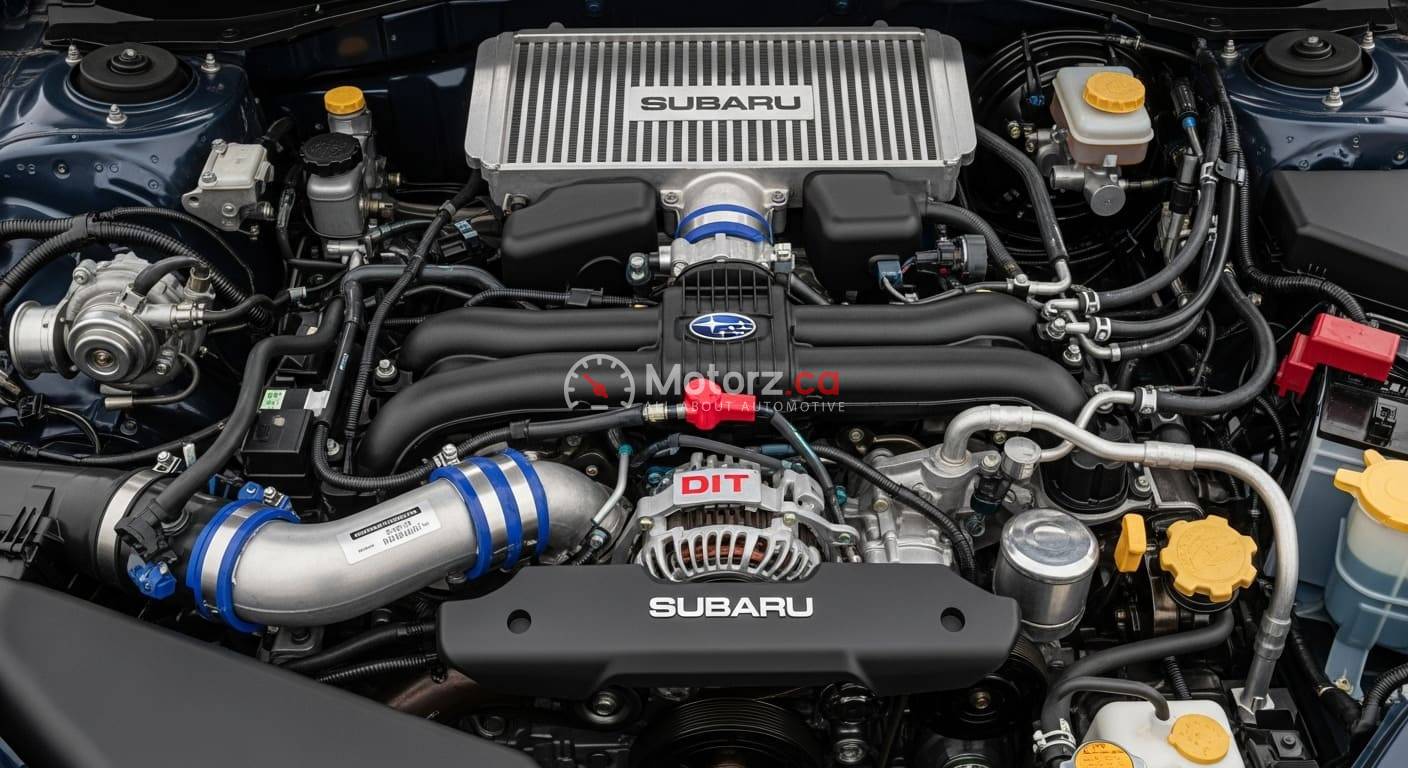
Key Benefits: The 2.4L displacement translates to significantly more low-end and mid-range torque, making the car feel punchier and more responsive in daily driving. It’s also generally considered to be a more robust engine platform for Subaru WRX Worth, with early enthusiasts reporting it handles higher boost levels and power with fewer immediate internal concerns than the FA20.
Emissions & Efficiency: Thanks to its modern design and direct injection, the FA24 is more thermally efficient and cleaner than its predecessors.
The Preceding Power: 2.0L FA20 DIT
The previous generation WRX (VA) utilized the FA20 DIT engine, a 2.0-liter turbo Boxer with 268 horsepower and 258 pound-feet of torque.
Character: While the peak numbers are similar to the Subaru WRX Worth, the power delivery is more ‘peaky,’ requiring you to keep the RPMs higher to access the full performance.
Modding Caveats: The FA20, while having massive aftermarket support, is known to be more sensitive to modifications, with early-model years having reported issues with oil pickup tube cracking and general concerns under heavy stress. Finding a stock, unmolested VA chassis is becoming increasingly difficult.
The Legacy: EJ25
We must also touch on the legendary, though now retired, Subaru WRX Worth-series engine. Found in pre-2015 WRX models and all STI models up to 2021, the EJ is the engine that defined the WRX’s character.
Enthusiast Appeal: Known for its signature rumble (thanks to unequal length headers) and massive aftermarket support, buying an EJ-powered used WRX is buying a piece of history.
Reliability Caution: However, the EJ is also notorious for its fragility, particularly the EJ257 in the STI, which is prone to ringland failures and head gasket Subaru WRX Worth, especially if subjected to hard driving or poor tuning. Buying a used EJ is a high-risk, high-reward proposition that demands a thorough pre-purchase inspection and a significant budget for potential engine work.
Platform and Driving Dynamics: SGP vs. Old-School Rawness
The 2025 WRX (VB) is built on the Subaru Global Platform (SGP), which significantly impacts its driving characteristics.
The New SGP Advantage
The SGP chassis is stiffer, safer, and quieter than the previous VA and GD generations.
Improved Ride Quality: The stiffer Subaru WRX Worth allows the suspension to do its job more effectively, resulting in a more refined and compliant ride for daily driving, a common criticism of older WRX models.
Handling Precision: The increase in structural rigidity translates directly to better handling, offering more predictable turn-in and reduced body roll. The car feels more planted and mature, though some purists argue it has lost some of the raw, unrefined feel of its predecessors.
New tS Trim (2025): The 2025 model introduces the new Subaru WRX Worth, which features STI-tuned electronic adaptive dampers and a sophisticated Drive Mode Select system. This is a massive addition, allowing the driver to genuinely customize the suspension and steering feel from comfortable cruising to track-day stiffness, a feature unavailable on any non-STI previous-generation WRX.
The Used Car Feel: VA and GD Chassis
Older WRX models offer a different, more visceral driving experience.
Raw and Communicative: The VA chassis is lauded for its steering feel and direct connection to the road. The GD (Blobeye, Hawkeye) is even more raw, feeling like a pure rally car for the street, though its interior materials and ride comfort suffer significantly in comparison.
Suspension: Used models will almost Subaru WRX Worth require suspension refresh work. Control arm bushings, struts, and end links wear out, and many used examples will have aftermarket suspension installed—a modification that could be a performance gain or a reliability nightmare, depending on the quality of parts and installation.
Technology, Safety, and Interior Quality
This is perhaps the area where the 2025 WRX makes its strongest case against any used model.
2025 WRX: Modern Tech and Refinement
The current WRX brings a suite of modern technology and a much-improved cabin.
Infotainment: All 2025 WRX models feature the large, vertical 11.6-inch SUBARU STARLINK Multimedia Plus touchscreen as standard (on the Premium trim and up, which is now the base trim). This includes wireless Apple CarPlay and Android Auto. While some reviewers find the interface laggy, it’s a significant leap over the small, dated screens in the VA generation.
Safety: EyeSight Everywhere: For 2025, Subaru has made its comprehensive EyeSight Driver Assist Technology standard on all models, including those equipped with the 6-speed manual transmission. This includes Adaptive Cruise Control with Lane Centering, Automatic Emergency Braking, and more. This is a game-changer for daily drivers and a major safety advantage over any used WRX.
Interior Materials: The current generation features soft-touch materials on the dash and improved seating comfort, particularly on the Limited and GT/tS trims, which receive updated contrast stitching and superior Recaro seats on the tS. The interior is generally quieter and feels less “cheap” than the plasticky VA generation.
Used WRX: Analog and Basic
Used models, particularly the VA (2015-2021), will feel significantly dated inside.
VA Tech: The VA-generation relied on smaller 6.2-inch or 7.0-inch screens, often without standard Android Auto or Apple CarPlay, which requires dongles or aftermarket head units.
Safety Gap: Most used manual transmission WRX models of the VA generation lack the advanced EyeSight safety suite entirely. This can be a major factor for those concerned with safety and insurance costs.
Wear and Tear: Expect worn-out seat bolsters, sticky buttons, and likely some rattles in any used model. This is simply the reality of a performance car that’s been driven hard by one or more previous owners.
The Critical Factor: Cost of Entry and Total Cost of Ownership
The decision often comes down to the bottom line: new vs. used pricing, and the associated long-term costs.
New 2025 WRX: Price and Peace of Mind
The 2025 model year saw the discontinuation of the base trim, making the Premium the new entry point, which starts at a higher price than the outgoing model.
Higher Initial Cost: The initial investment is substantially higher than a used model, especially for the desirable tS or Limited trims. However, you benefit from a full manufacturer warranty, covering potential engine or transmission issues.
Financing: New car financing rates are often significantly lower than used car rates, which can dramatically lower your total monthly payment and overall cost of borrowing, potentially bridging the price gap.
Known History: You are the first owner. You know the break-in procedure was (hopefully) followed, and no questionable modifications were made. This “peace of mind” is priceless in the WRX community.
Used WRX: Depreciation and Hidden Risks
A used VA WRX (2015-2021) has already taken the brunt of depreciation, making the purchase price much more attractive.
Lower Initial Cost: You can save a significant percentage on the purchase price, freeing up capital for modifications, insurance, or general savings.
Modding Culture Risk: The single biggest risk with a used WRX is the high likelihood of modifications and abuse. Enthusiast cars are often driven hard, launched, and modified poorly. You must invest in a thorough pre-purchase inspection (PPI) by a Subaru specialist to check for:
Non-factory tunes that stress the engine.
Clutch and transmission wear, especially the failure-prone throwout bearing in the VA.
Evidence of “redlining” or high-stress driving.
Higher Running Costs: Insurance and registration might be lower, but maintenance is likely to be higher. You’ll need to budget for replacing wear-and-tear items (brakes, tires, suspension) sooner, and the lack of a warranty means an expensive engine or transmission failure is a financial disaster.
The Aftermarket Potential and Customization Scene
The WRX is a blank canvas for customization, and both new and used generations offer paths to personalization.
Used Generations: Mature Aftermarket
Previous generations, particularly the VA and the pre-2015 models, have decades of aftermarket support.
Tons of Options: You can find an endless supply of parts for power, suspension, exterior styling, and interior upgrades, often at competitive prices. The kinks are ironed out with decades of tuning knowledge available for the FA20 and EJ platforms.
Instant Power: For a used VA, a simple Stage 1 tune and a few bolt-ons can easily unlock more power than the stock 2025 WRX offers, but remember the reliability risks.
2025 WRX: Growing Potential
The VB chassis and FA24 engine are still relatively new, but the aftermarket is quickly catching up.
High Potential: The FA24 is showing great promise for power gains. Tuners are continually developing reliable maps and parts that leverage the engine’s greater displacement.
New Design Focus: The current generation has unique styling, particularly the divisive plastic cladding, which means the focus of the aftermarket is on both performance and aesthetics (body kits, fender deletes, etc.).