




Buying a used car can feel like a high-stakes game of chance. You find a vehicle that looks pristine on the outside, the engine purrs, and the interior smells like it just rolled off the showroom floor. But beneath that shiny exterior, there could be a hidden history of accidents, flood damage, or skipped oil changes that could turn your “great deal” into a financial nightmare.
In the world of automotive transparency, the CARFAX Vehicle History Report is the industry standard for uncovering what a seller might not tell you. Since 1984, this tool has aggregated billions of records to provide a digital “biography” for almost every car on the road. In 2026, as the used car market becomes increasingly digital, knowing how to read and interpret this report is the single most important skill a buyer can have.
In this comprehensive guide, we will break down exactly what a CARFAX report covers, how to spot “red flag” entries, and why even the most detailed report isn’t a substitute for a mechanical inspection.
What is a CARFAX Report? The Buying a Used Car
At its core, a CARFAX report is a comprehensive document that tracks a vehicle‘s life using its unique Vehicle Identification Number (VIN). While a car can change owners and license plates, its VIN remains constant, acting like a social security number for the machine.
Where the Data Comes From
CARFAX doesn’t physically inspect cars; instead, it acts as a massive data aggregator. It pulls information from over 130,000 sources across North America, including:
Government Agencies: Provincial and state DMVs (Departments of Motor Vehicles).
Law Enforcement: Accident reports and police records.
Insurance Companies: Total loss claims and damage estimates.
Service Facilities: Dealerships and independent repair shops.
Auction Houses: Records of vehicle sales and condition grades.
Why You Need One
Without a vehicle history report, you are relying entirely on the word of the seller. A CARFAX report provides an objective third-party account of the car’s past, helping you verify that the mileage is accurate and the title is “clean.”
Key Sections of a CARFAX Report Explained
When you first open a CARFAX report, the amount of data can be overwhelming. To get the most value, you should focus on these five critical sections.
The Vehicle Snapshot
This top section confirms the basics: the year, make, model, and engine type. Most importantly, it features the CARFAX Snapshot Icons, which give you an immediate “pass/fail” on major issues like accidents, mileage consistency, and number of previous owners.
Ownership History
This section tracks how many people have owned the car and how long they kept it.
The “One-Owner” Advantage: Generally, vehicles with a single owner are highly desirable because they tend to have more consistent maintenance records.
Length of Ownership: If a car has had four owners in three years, it is a major red flag. It suggests the vehicle may have a recurring mechanical issue that previous owners were eager to pass on to someone else.
Title History and Brands
This is the most critical part of the report for your safety and wallet. It checks for “Title Brands”—legal designations that indicate a vehicle has suffered significant damage.
Salvage Title: The car was damaged so severely that insurance deemed it a total loss.
Lemon Title: The car was bought back by the manufacturer due to recurring, unfixable defects.
Rebuilt/Restored: A salvage vehicle that has been repaired and put back on the road.
Service and Maintenance Records
A car that was serviced every 5,000 to 8,000 kilometers is a car that will likely last. CARFAX often lists oil changes, brake replacements, and tire rotations. If the report shows a “gap” of three years with no service records, proceed with caution.
Detailed History Timeline
This is a chronological list of every “event” in the car’s life, from its original delivery to the dealership to its most recent emissions test. Look for entries labeled “Accident Reported” or “Damage Disclosure.”
Spotting the Red Flags: What to Watch Out For
Not all entries on a CARFAX report are created equal. Some are minor inconveniences, while others are deal-breakers.
Structural and Frame Damage
If a report mentions structural damage, the vehicle’s skeleton has been compromised. Even if it was repaired, the car may never perform correctly in a future collision. Many dealerships will not even accept these cars as trade-ins, meaning your resale value will be non-existent.
The “Odometer Rollback”
Digital odometers haven’t stopped unscrupulous sellers from tampering with mileage. CARFAX compares the current mileage to every previous record. If the car had 120,000 kilometers in 2024 but shows 90,000 kilometers in 2026, the report will trigger a Mileage Inconsistency Alert.
Deployment of Airbags
If the airbags were deployed, the car was involved in a significant impact. While they can be replaced, it is an expensive repair that is sometimes “skipped” by shady rebuilders to save money.
Open Safety Recalls
Manufacturers often issue recalls for safety-critical parts (like the recent engine mount or fuel pump issues). A CARFAX report will show if there is an Open Recall on the vehicle. If there is, ensure the seller gets it fixed at a dealership before you sign the paperwork.
Helpful Tips: The “Hidden” Side of CARFAX
While CARFAX is incredibly powerful, it is not omnipotent. Understanding its limitations will make you a smarter shopper.
The “Self-Repair” Blind Spot
CARFAX only knows what is reported. If a previous owner backed into a pole, dented the bumper, and paid a local body shop “under the table” in cash to fix it, that accident will never appear on the report.
“Damage” vs. “Accident”
On a report, “Accident” typically means a collision involving another vehicle or a police report. “Damage” might refer to something less severe, like hail damage, a cracked windshield, or a scratched door. Always dig deeper into these entries to understand the severity.
Location Matters
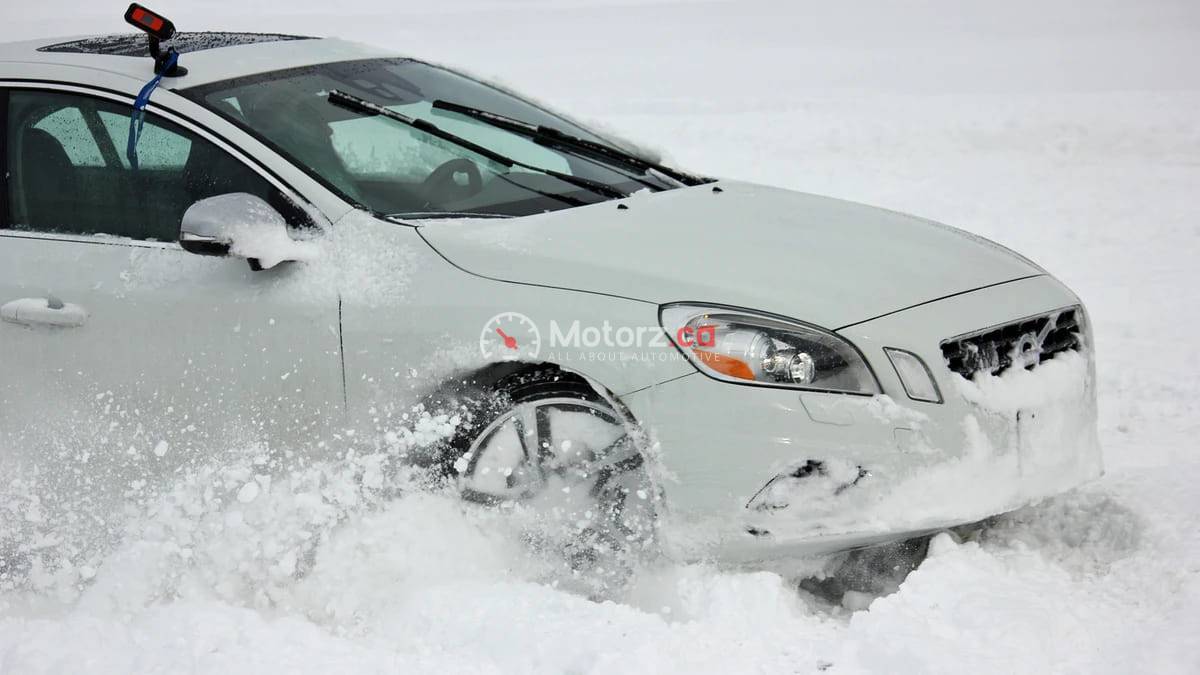
The report shows where the car was registered. A car that spent its first five years in a snowy, salted environment like Quebec or Alberta is more likely to have rust and corrosion on the undercarriage than a car from a dry climate.
Frequently Asked Questions (FAQ)
Is a CARFAX report free?
While CARFAX charges a fee for individual reports, most reputable dealerships will provide a copy for free on any vehicle they have for sale. If a private seller refuses to show you a report, it is usually a sign they are hiding something.
Can a CARFAX report be wrong?
Yes. Errors can occur if a service center enters the wrong mileage or if a DMV makes a clerical error. If you find a mistake on your own car’s report, you can submit a “Data Correction Request” via the CARFAX website.
Does a clean CARFAX mean the car is perfect?
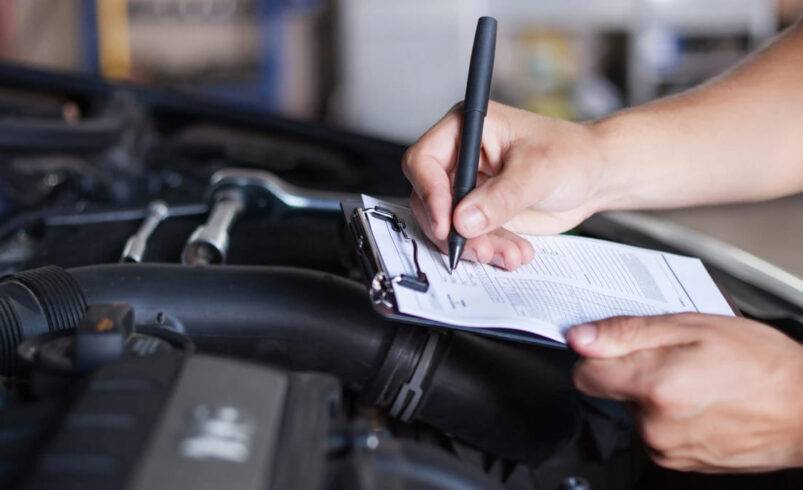
No. A clean report just means nothing negative was reported. You should always pair a CARFAX report with a Pre-Purchase Inspection (PPI) from a trusted mechanic who can look for physical signs of wear and hidden repairs.
Use the Data to Drive a Hard Bargain
A CARFAX report is more than just a history lesson; it is a negotiation tool. If the report shows a minor accident that the seller didn’t disclose, you can use that information to ask for a lower price. If the report shows a “Rebuilt” title you weren’t expecting, you have the data you need to walk away before making a costly mistake.
In 2026, the goal of every car buyer should be to eliminate surprises. By combining a detailed CARFAX report with a professional mechanical inspection, you take the guesswork out of the used car market and ensure your next vehicle is a reliable partner for the road ahead.