

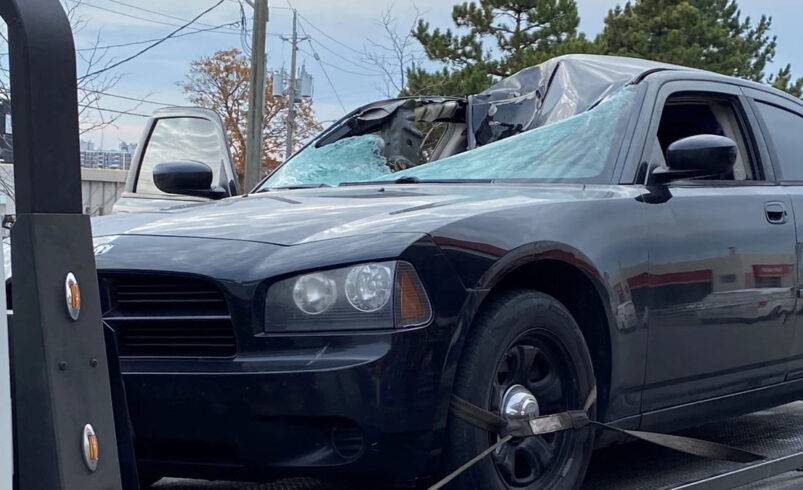

It is the stuff of highway Tire Flies Off or Hits Your Car. You are cruising at 70 mph when a sudden vibration shudders through the steering wheel, followed by a violent jolt. In your rearview mirror, you see a black shape bouncing down the asphalt like a runaway cannonball. Your wheel has detached. Or perhaps you are on the receiving end, watching in slow motion as a 50-pound mass of rubber and steel hurtles toward your windshield from the opposite lane.
Wheel separation—often called a “flying tire” incident—is a rare but terrifying road emergency. Unlike a standard flat or a blowout, a detached wheel removes a corner of your car’s stability entirely and creates a lethal projectile for other drivers. In 2026, with heavier electric vehicles and aging infrastructure, understanding the physics and safety protocols of these accidents is more critical than ever.
In this comprehensive guide, we will walk you through the immediate survival steps if you lose a wheel, how to react if you are hit by one, and the legal and maintenance steps to take afterward.
The Moment of Detachment: What to Do if Tire Flies Off or Hits Your Car
If your wheel separates while you are in Tire Flies, your car will immediately drop onto its rotor, drum, or suspension components. The sound will be a deafening metallic grind, and the car will pull violently toward the side of the missing wheel.
Grip the Wheel and Resist the Urge to Slam the Brakes
The most natural instinct is to stomp on the brake pedal. Do not do this. Slamming the brakes when you are missing a wheel can cause the car to pivot around the point of contact, leading to a roll-over or a high-speed spin into traffic.
Maintain a Firm Grip: Use both hands to keep the steering wheel as straight as possible.
Ease Off the Accelerator: Let the engine’s natural resistance slow you down.
Counter-Steer Gently: The car will want to dive toward the corner with the missing wheel. Apply steady, gentle pressure in the opposite direction to stay in your lane.
Steer for the Shoulder
Once the vehicle has slowed significantly (usually below 30 mph), start looking for a safe place to pull over.
Use Your Hazards: Signal to other drivers that you are in an emergency state.
Brake Gradually: Only apply the brakes once you have regained some directional control and are moving at a lower speed.
Expect Spontaneous Sparking: As the metal components of your car scrape the asphalt, they will likely create sparks. Stay calm; this is normal in a wheel-separation event.
The Projectile Threat: If Your Car is Hit by a Flying Tire
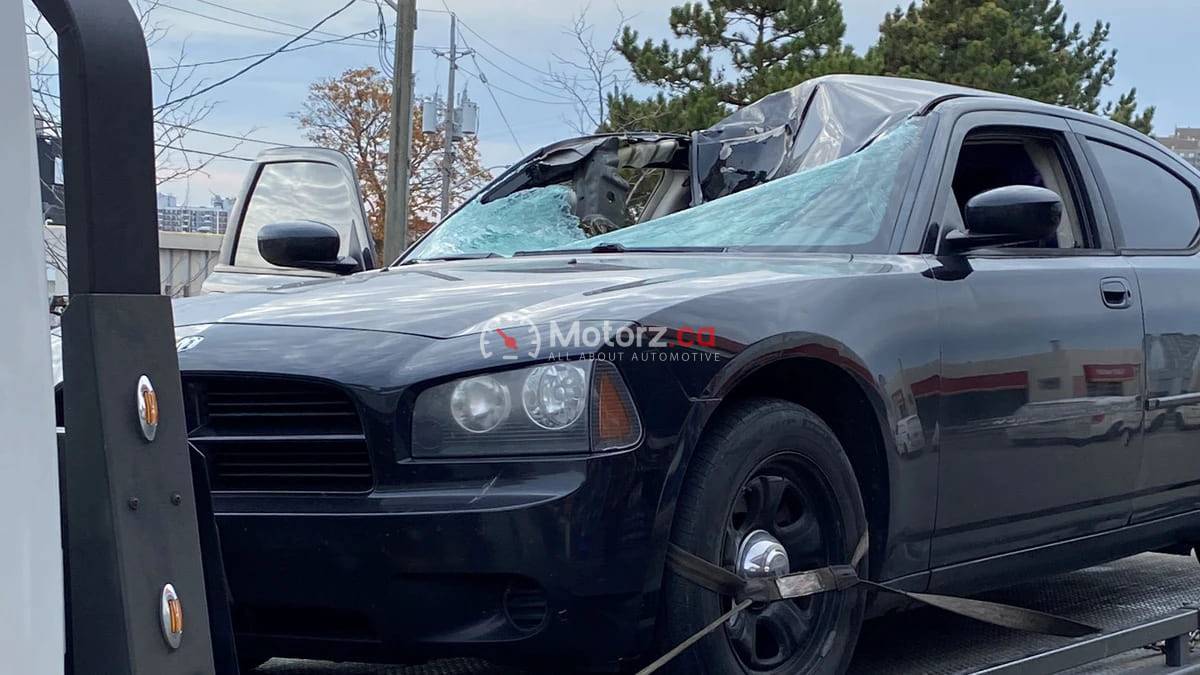
Being hit by a runaway wheel is a different kind of emergency. A tire traveling at highway speeds carries immense kinetic energy. It doesn’t just hit a car; it can crush a roof or penetrate a windshield.
The Five-Second Decision: Avoidance
If you see a tire bouncing toward you, your reaction time is measured in milliseconds.
Do Not Brake Hard: If you slam the brakes, the front of your car “dives” down, making it more likely that a bouncing tire will hit your windshield or roof—the weakest parts of the car.
Change Lanes if Clear: If you have an open lane or a wide shoulder, move into it.
Aim to Take the Hit on the Engine Block: If a collision is unavoidable, try to position the car so the tire hits the front bumper or the engine area. These are the most reinforced parts of your vehicle and act as a “crumple zone” to protect the cabin.
Immediate Aftermath of an Impact
If a tire strikes your vehicle, your car may suffer significant structural damage or glass breakage.
Stop Safely: Even if the car feels “fine,” the impact could have severed brake lines or damaged the steering rack. Pull over immediately.
Assess for Shock: High-energy impacts cause massive adrenaline spikes. Check yourself and your passengers for injuries that may not be immediately painful due to shock.
Why Wheels Fall Off: Preventing the “Flying Tire”
Most wheel separations are entirely preventable. They usually occur due to human error during maintenance or structural fatigue that was ignored.
Lug Nut Torque and “The 50-Mile Rule”
The most common cause of wheel separation is improperly tightened lug nuts.
Under-Torqued: If the nuts are too loose, the wheel will wobble, eventually shearing off the metal studs.
- Over-Torqued: If a mechanic uses an “impact gun” without a torque wrench, they can stretch the studs until they reach a breaking point.
- The Re-Torque Rule: After having your tires changed or rotated, you must check the lug nuts after driving the first 50 to 100 miles. Wheels “settle” into place, and fasteners can naturally loosen during the initial break-in period.
Hub and Bearing Failure
In older vehicles, the wheel bearing or the entire hub assembly can fail. If you hear a “humming” or “growling” noise that gets louder as you speed up, or if the steering wheel feels “loose” or “vague,” your hub may be failing. If the bearing seizes, the heat can actually weld the parts together or cause the wheel to snap off the axle.
Legal and Insurance: Who is Liable?
A flying tire is rarely considered an “Act of God.” In the eyes of the law, someone is usually responsible for the maintenance of that vehicle.
If Your Wheel Hit Someone Else
You may be held liable for negligence if it is proven that you failed to maintain your vehicle. However, if a repair shop recently worked on your car, the liability may shift to the mechanic or the garage. This is why keeping service receipts is vital.
If You Were Hit by a Runaway Tire
The Police Report is Essential: You need an official record stating that a rogue tire caused the damage. This usually falls under “Comprehensive” coverage on your insurance policy, but if the other driver is identified, their “Liability” insurance should cover your repairs and medical bills.
- Identify the Source: If the tire came off a commercial truck, the trucking company is held to a higher standard of inspection and is almost always liable for the resulting damage.
Emergency Checklist: Post-Accident Steps
Safety First: Get the car to the shoulder and turn on hazard lights.
Call 911: Even if no one is visibly hurt, a runaway tire on a highway is a major hazard for other motorists.
Document the Tire: If you can safely find the detached tire, take photos of it. Look for the “hub” or “studs” to see if they are snapped or if the lug nuts are missing.
Exchange Info: If the tire came from another vehicle, get that driver’s insurance and license plate information.
- Preserve Evidence: If you plan to sue a repair shop or manufacturer, do not let the insurance company “total” the car and take it away until an independent inspector has looked at the wheel assembly.
Awareness is Your Best Defense
A flying tire is a low-probability, high-consequence event. While you cannot control what happens in the lane next to you, you can control the “health” of your own wheels. Respect the lug nut torque specs, listen for unusual vibrations, and never ignore a “growling” wheel bearing.