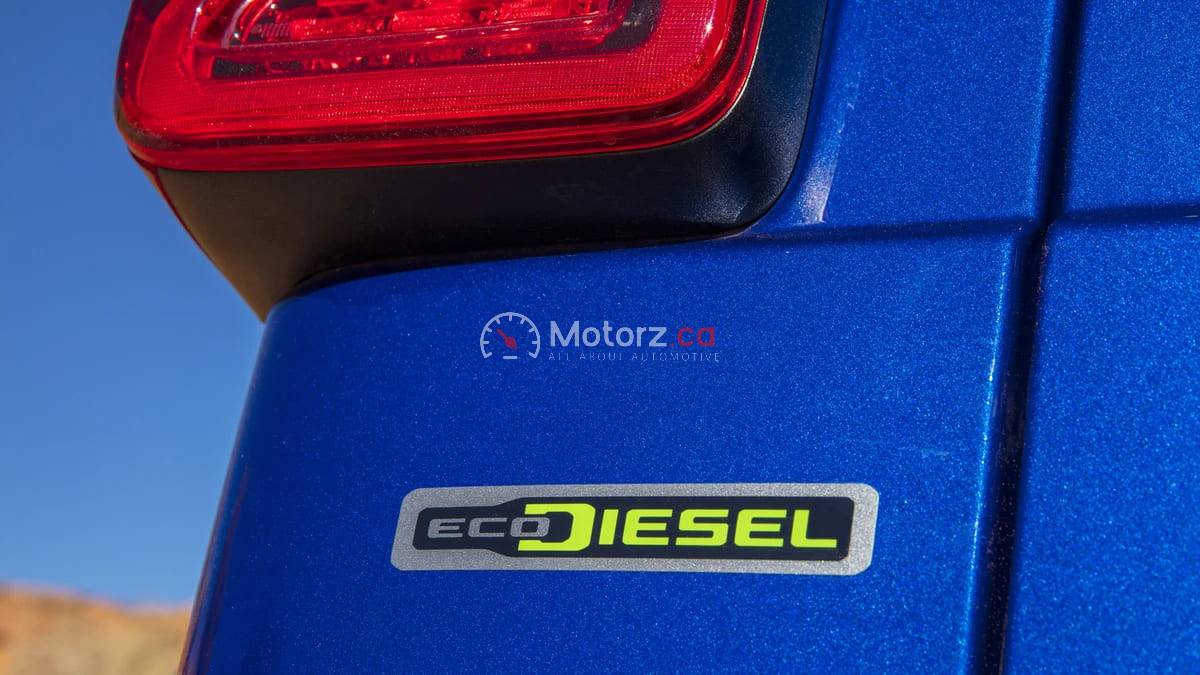

For Diesel Trucks, the word “diesel” conjured up images of massive semi-trucks, black smoke, and a deafening clatter. But in 2026, the landscape of the American pickup has shifted. The “small diesel”—typically referring to 3.0-liter turbocharged engines in half-ton trucks—has carved out a unique niche for drivers who want the muscle of a heavy-duty rig with the daily driveability of a standard pickup.
Whether you are looking at the 3.0L Duramax in a Chevrolet Silverado or the refined Cummins options in the latest Ram configurations, choosing a diesel engine is a significant decision. It isn’t just about fuel; it is about a different philosophy of vehicle ownership. This troubleshooter guide explores everything you need to know when considering a small diesel for your next truck.
The Efficiency Edge: Why Small Diesels Reign Supreme
The primary reason most drivers pivot toward a small diesel engine is efficiency. In 2026, while many gasoline V8 engines struggle to hit 20 mpg in combined driving, small diesels are consistently shattering expectations.
Real-World Fuel Economy
Modern 3.0L turbodiesels are frequently rated as high as 25 mpg city and 30 mpg highway. For a full-sized pickup, these numbers were unthinkable a decade ago.
The Long Haul: If you commute long distances on the highway, a diesel can save you thousands of units in fuel costs over the life of the vehicle.
Towing Efficiency: Unlike gasoline engines, which see their fuel economy plummet the moment you hitch up a trailer, diesels maintain much more consistent efficiency under load. You might see a gas truck drop from 18 mpg to 8 mpg while towing, whereas a diesel might only drop from 28 mpg to 15 mpg.
Torque vs. Horsepower: Understanding Diesel Power
If you enjoy the “stoplight sprint” and high-speed passing, a gasoline V8 might still be your best bet. But if you value “stump-pulling” power, diesel is king.
Low-End Grunt
Diesel engines generate their maximum torque at very low RPMs—often as low as 1,500 rpm.
Effortless Towing: This means that when you are pulling a boat or a trailer up a steep grade, the truck doesn’t have to “scream” at high RPMs to find power. It simply leans into its torque and pulls steadily.
The Drive Feel: Small diesels feel “heavy” and planted. The power delivery is smooth and deliberate, which many truck owners prefer for a more relaxed driving experience.
The Maintenance Reality: It’s Not Your Grandfather’s Diesel
While diesel engines are legendary for lasting 500,000 miles or more, they require a specific type of “mechanical hygiene” that gasoline engines do not.
The DEF Factor
In 2026, all small diesel trucks use Diesel Exhaust Fluid (DEF) to reduce nitrogen oxide emissions.
The Routine: You will typically need to refill your DEF tank every 5,000 to 7,000 miles. It is a simple process, but if you let the tank run dry, the truck’s computer will eventually limit your speed to a “limp mode” (often 5 mph) until it is refilled.
DPF and “Regeneration” Cycles
This is the most critical technical detail for new diesel owners. The Diesel Particulate Filter (DPF) captures soot from the exhaust. To clean itself, the truck enters a “Regen” cycle where it burns off that soot at extremely high temperatures.
The Short Trip Trap: If you only use your diesel truck for 5-minute trips to the grocery store, the engine never gets hot enough to complete a Regen cycle. Over time, this can clog the filter, leading to expensive repairs.
The Solution: Diesel trucks need to “stretch their legs” on the highway at least once every week or two to keep the emissions system healthy.
Comparing the 2026 Heavy-Hitters
In the current market, two major players dominate the small diesel conversation: General Motors and Ram.
Chevrolet Silverado / GMC Sierra 1500 (3.0L Duramax)
The 3.0L Duramax inline-six is widely considered the “gold standard” for small diesels in 2026.
Performance: It produces 305 horsepower and a massive 495 lb-ft of torque.
Towing: When properly equipped, it can tow up to 13,300 pounds, which rivals many gasoline V8 configurations while offering much better fuel economy.
Ram 1500 and 2500 (Cummins and EcoDiesel Heritage)
While Ram has shifted focus toward its “Hurricane” inline-six gasoline engines for the 1500, their partnership with Cummins remains the backbone of the heavy-duty (2500/3500) market.
Refinement: The 2026 Ram diesel options are tuned for minimal noise and vibration, offering one of the quietest cabins in the industry.
Resale Value: The Diesel Premium
When you buy a diesel, you usually pay an “upfront premium”—often between 2,000 and 4,000 units more than a base gasoline engine. However, history shows that you get much of that money back at the end.
Lower Depreciation: Because diesel engines are built with more robust blocks and internal components to handle high compression, they are perceived as more durable.
Market Demand: High-mileage diesel trucks are much easier to sell on the used market than high-mileage gasoline trucks. A buyer is much less afraid of a diesel with 150,000 miles than a gas engine with the same figure.
Making the Final Call
Buying a small diesel truck in 2026 is a commitment to a specific type of performance. If you are a high-mileage driver who appreciates smooth torque and wants a vehicle that could potentially stay in the family for decades, the 3.0L diesel is a masterpiece of modern engineering.
However, if your truck spends most of its life idling in carpool lanes or taking short trips across town, the complexity of modern diesel emissions systems might lead to more headaches than fuel savings. Before you sign the papers, be honest about your driving habits—and if you decide to go diesel, make sure you give that engine plenty of highway time to shine.