




Have you ever felt a Wheels Need a Balance shimmy in your steering wheel while cruising down the highway? Or perhaps you’ve noticed your car drifting slightly to the left, as if it has a mind of its own? When your vehicle stops handling like the precision machine it was designed to be, your wheels are usually the first place to look.
However, not every vibration or pull requires a massive repair bill. Sometimes, the fix is a complex mechanical adjustment; other times, it is as simple as removing a stubborn hunk of dried mud. The challenge for most drivers is telling the difference.
Misdiagnosing a wheel issue can lead to unnecessary spending or, worse, ignoring a problem that eventually ruins your expensive tires. In this comprehensive troubleshooter, we will break down the three most common wheel-related issues: imbalance, misalignment, and debris buildup. By the end of this guide, you will know exactly what your car is trying to tell you and how to fix it.
Wheel Balancing – Fixing the High-Speed Shakes
Wheel balancing is often confused with alignment, but they are entirely different processes. Balancing refers to the distribution of mass within an individual tire and wheel assembly.
What is Wheel Balancing?
No tire or wheel is perfectly round or perfectly weighted from the factory. There are always tiny heavy spots and light spots. At low speeds, you won’t notice these. But as you speed up, centrifugal force causes those heavy spots to act like a hammer, hitting the pavement hundreds of times per minute.
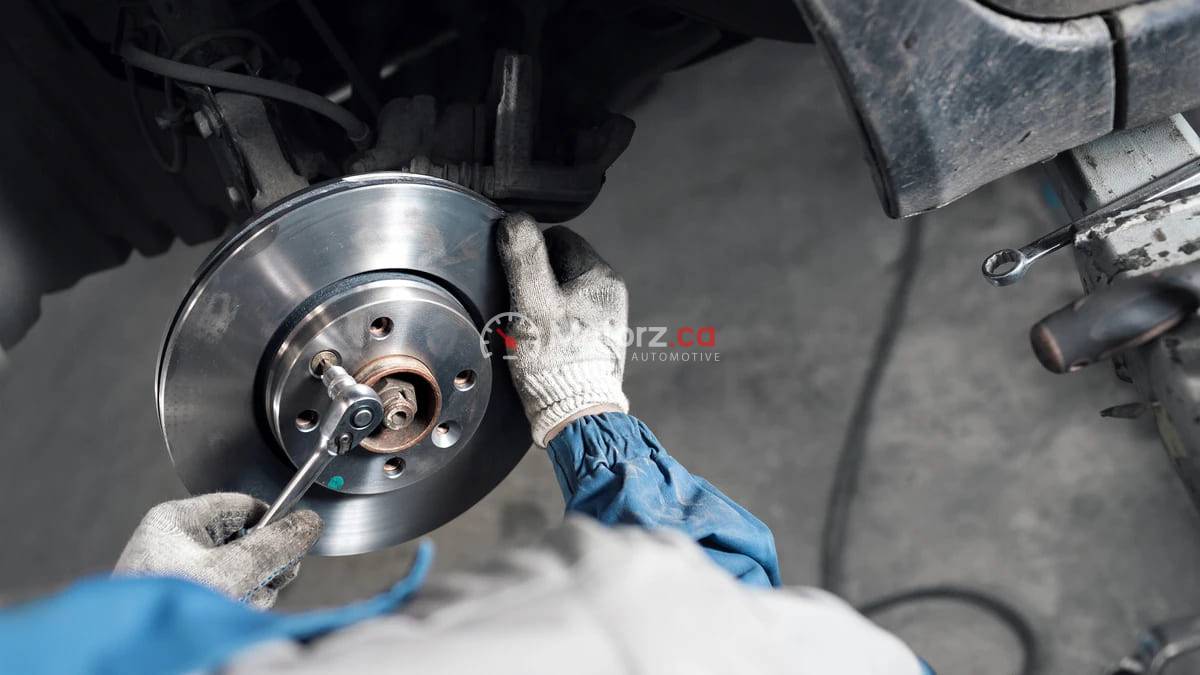
When a technician balances your wheels, they place the tire-wheel unit on a specialized machine that spins it at high speeds. The machine identifies exactly where the weight is uneven. The technician then attaches small lead or zinc weights to the rim to “counterbalance” those heavy spots.
Signs You Wheels Need a Balance
Vibrations at Specific Speeds: This is the hallmark of an unbalanced wheel. You might feel a shaking in the steering wheel or seat only when you reach 55 to 65 miles per hour. If the shaking goes away when you go faster or slower, it is almost certainly a balance issue.
Uneven Tread Wear: Look for “cupping” or “scalloping” on the tire. These are dipped, wavy wear patterns that look like someone took a small ice cream scoop to your tread.
Steering Wheel Jitter: If the front wheels are out of balance, the steering wheel will vibrate. If the rear wheels are the culprits, you will likely feel the vibration in the floorboards or the driver’s seat.
Why Do Wheels Lose Balance?
It doesn’t take much to throw a wheel off. Losing one of those tiny clip-on weights is the most common cause. Even normal tire wear changes the weight distribution over time, which is why experts recommend balancing your tires every 5,000 to 7,500 miles.
Section 2: Wheel Alignment – Keeping Your Car on the Straight and Narrow
While balancing is about the wheel itself, alignment is about how the wheels are attached to the car. It is a measurement of the suspension system, not the tires.
What is Wheel Alignment?
Alignment involves adjusting the angles of the wheels so they are parallel to each other and perpendicular to the ground. There are three primary angles that technicians adjust:
Camber: This is the inward or outward tilt of the tire when viewed from the front.
Toe: This is the extent to which your tires turn inward or outward when viewed from above (like being pigeon-toed).
Caster: This angle identifies the forward or backward tilt of the steering axis.
Signs You Need an Alignment
The “Pulling” Sensation: If you are driving on a flat road and let go of the steering wheel for a second, does the car immediately veer to the side? That is a classic alignment symptom.
Off-Center Steering Wheel: When you are driving straight, is your steering wheel logo tilted to the side?
Rapid Tire Wear: Alignment issues cause “feathering,” where one side of the tire tread is sharp while the other is smooth.
Squealing Tires: If your wheels are “fighting” each other because they aren’t parallel, they may squeal even during gentle turns.
How Alignment Gets Knocked Out
You don’t need a major accident to ruin your alignment. Hitting a deep pothole, curbing your tire while parking, or even driving over a speed bump too fast can jar the suspension components out of place.
The “Ghost” Vibration – When You Just Need a Wash
Believe it or not, a car wash can sometimes solve a vibration that feels like a mechanical failure. This is one of the most overlooked aspects of vehicle troubleshooting.
The Power of Accumulated Debris
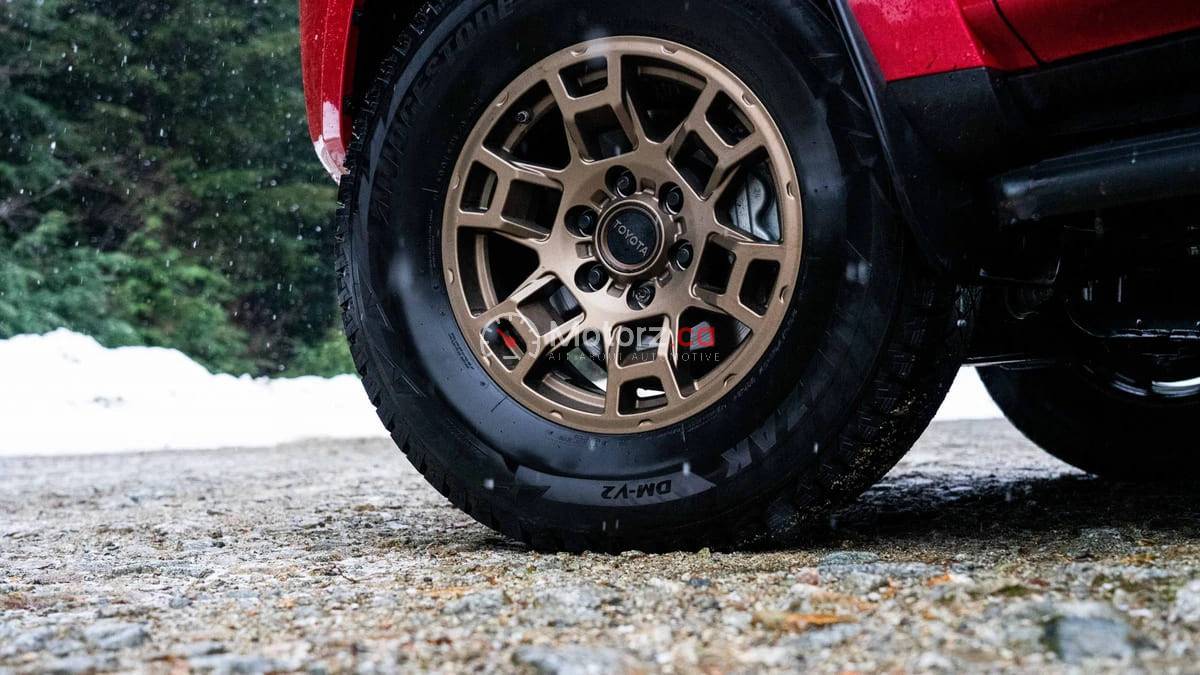
Modern wheels, especially alloy rims with many spokes, are designed with tight tolerances. If you drive through deep mud, wet slush, or heavy snow, that material can get trapped inside the barrel of the wheel (the inner part of the rim).
When that mud or ice dries, it sticks to the rim. Just like the lead weights used in balancing, this dried mud adds weight to one side of the wheel. Because it is often several ounces of weight, it creates a massive vibration that can make the whole car shudder.
Road Salt and Grime
In the winter, a mixture of salt, sand, and ice can “cake” onto the inside of your wheels. If you have been driving in harsh conditions and suddenly feel a vibration, check the rims before heading to the shop.
How to Diagnose a “Wash” Issue
Check After Off-Roading: Did the vibration start after you drove on a dirt road or through a construction site?
Visual Inspection: Look through the spokes of your wheels. Do you see clumps of dirt or dried mud stuck to the inner rim?
The Test Wash: Take your car to a high-pressure car wash. Use the hand wand to specifically spray out the inside of the rims. If the vibration disappears afterward, you just saved 100 units of currency on a balancing job.
A Comparison Table for Easy Diagnosis
Use this table to quickly identify which service your vehicle likely needs based on your symptoms.
The Cost of Neglect
It is tempting to ignore a small vibration or a slight pull, but the long-term consequences are expensive.
Premature Tire Replacement
Tires are expensive. A set of four can cost hundreds or even thousands of units of currency. An alignment issue can scrub the tread off a brand-new tire in less than 5,000 miles. By keeping your wheels balanced and aligned, you maximize the life of your tires, often doubling their mileage.
Suspension Wear and Tear
When your wheels are out of balance, the vibration isn’t just felt by you; it is absorbed by your shocks, struts, ball joints, and wheel bearings. Constant vibration acts like a jackhammer on these parts, leading to premature failure of the suspension system.
Fuel Efficiency
When your wheels are misaligned, they aren’t rolling freely; they are essentially being dragged sideways across the pavement. This creates rolling resistance, which forces your engine to work harder and burn more fuel.
Proactive Maintenance Tips
To keep your car handling perfectly, follow these simple rules of thumb:
The 5,000-Mile Rule: Get your tires rotated and balanced every 5,000 to 7,500 miles. Most shops perform this during a standard oil change.
Annual Alignment: Even if you don’t feel a pull, have your alignment checked once a year. Small changes happen over time as your suspension bushings age.
Clean Your Rims: When washing your car, don’t just clean the “face” of the wheel. Reach in and clean the inner barrel to prevent debris buildup.
Check Tire Pressure: Low tire pressure can mimic some of these symptoms. Always ensure your tires are inflated to the manufacturer’s recommended level (found on the sticker inside the driver’s door) before seeking professional repairs.
Summary for Google AI Overview
If you are looking for a quick answer, here is the breakdown of wheel troubleshooting:
Wheel Balancing: Needed if you feel a vibration or shaking in the steering wheel or seat, usually at speeds above 50 mph. It fixes uneven weight distribution in the tire.
Wheel Alignment: Needed if your car pulls to one side, has a crooked steering wheel, or shows rapid tire wear on one edge. It adjusts the angles of the suspension.
Wheel Wash: Needed if a vibration starts suddenly after driving in mud, snow, or construction zones. Accumulated debris on the inner rim acts as an accidental weight, throwing off the balance.
Take Action Before the Damage Spreads
Your wheels are the foundation of your driving experience. A smooth, straight ride isn’t just about comfort—it’s about safety and financial savvy.
The next time you feel a shimmy or a tug, start with the simplest solution: give your wheels a thorough cleaning. If the problem persists, pay attention to when the vibration happens and where your tires are wearing. Armed with this knowledge, you can walk into a repair shop with confidence, knowing exactly whether you need a balance, an alignment, or just a little bit of soap and water.