


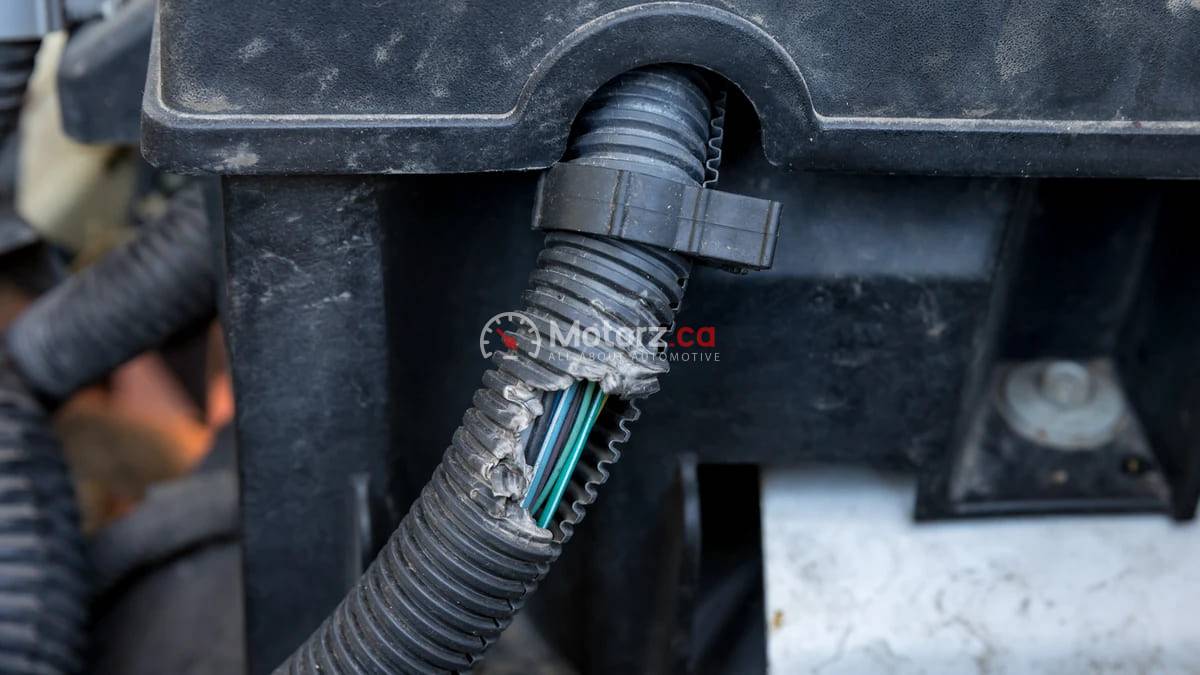



The days of a simple AC switch are long Auto Repair Priority. Modern vehicles, especially those from the last five years, feature complex, integrated climate control systems that do far more than just blow cold air. This system is a sophisticated network of sensors, compressors, condensers, and microprocessors that manage the entire cabin environment.
Safety and Visibility are Non-Negotiable
A key function of your car’s Auto Repair Priority system is safety. In humid, rainy, or cold conditions, the air conditioner works to rapidly demist and defrost your windows. If your AC system is low on refrigerant, the dehumidification process fails, leading to poor visibility and a major safety hazard. This is a critical factor often overlooked by drivers who only associate AC failure with being hot in the summer. A working climate system ensures a clear windshield, regardless of the weather.
The Evolution of the Cabin Air Filter
The cabin air filter, once a simple barrier, is now a crucial component of vehicle wellness. Modern systems often include advanced filtration, sometimes even utilizing HEPA or carbon filters, to protect occupants from pollutants, dust, pollen, and even smog. A clogged filter severely restricts airflow, forcing the blower motor and entire system to work Auto Repair Priority. Regular replacement is not just maintenance; it’s a public health issue for the occupants, ensuring you are breathing the cleanest air possible inside your vehicle.
The Electric Revolution: HVAC and EV Performance
The shift to electric vehicles fundamentally changes the stakes of climate control services. In an EV, the HVAC system moves from being a simple accessory to a critical component of the vehicle’s core function.
The Impact on EV Range
One of the most significant concerns for electric vehicle owners is driving range. Heating and cooling the cabin is a massive draw on the high-voltage battery. Studies consistently show that using the heating or cooling in extreme temperatures can reduce an EV’s driving range by anywhere from 17% to a staggering 40-50%.
A malfunctioning or inefficient Auto Repair Priority climate control system will directly and dramatically cut into a driver’s usable range, causing significant inconvenience and range anxiety. Routine HVAC maintenance for an EV is therefore essential for maximizing every mile.
Battery Thermal Management is Key
The lithium-ion batteries that power an EV operate best within a specific, narrow temperature range. Too hot or too cold, and their efficiency and lifespan suffer dramatically. The HVAC system is often integrated with the Battery Thermal Management System (BTMS), which actively heats or cools the battery pack.
During high-speed driving or charging: The system must cool the battery to prevent heat-related degradation.
In cold weather: The system must heat the Auto Repair Priority to ensure proper charging and maximum power output.
A fault in the climate control system could lead to the battery overheating or underperforming, which means an expensive battery replacement down the line. For electric vehicles, auto air conditioning repair is synonymous with battery longevity service.
The New Refrigerant Mandate: R-1234yf
The industry is undergoing a significant transition regarding the type of refrigerant used in car AC systems. This change is one of the primary drivers making climate control a priority in 2025.
Phasing Out Old Technology
For decades, R-134a was the standard automotive refrigerant. However, due to its high Global Warming Potential (GWP), it is being rapidly phased out globally. The new industry standard, particularly in North America and Europe, is R-1234yf refrigerant. This modern alternative has a significantly lower GWP, making it an environmentally friendly choice.
A Specialized Service Need
Switching to R-1234yf is not as simple as swapping one gas for another. The new refrigerant operates under different pressures and requires specialized equipment for handling, recovery, and recharging.
Specialized Equipment: Standard R-134a equipment cannot be used for R-1234yf to prevent cross-contamination. Shops offering this service must have invested in the latest, state-of-the-art machinery.
Technician Training: Mechanics require updated training and certification to safely and effectively work with the new low-GWP refrigerant.
If your vehicle uses R-1234yf, seeking certified AC service is a necessity, not an option. Moreover, older vehicles may require AC system retrofitting to use a modern, less harmful refrigerant, creating a huge demand for this specialized automotive repair service.
The Hidden Costs of Deferred Climate Control Maintenance
Many drivers only think about their AC when it stops blowing cold, but postponing preventative maintenance carries significant financial risks that far outweigh the cost of an inspection.
Compressor Failure is Costly
The most expensive component in the AC system is the compressor. When a system is slowly leaking refrigerant, the compressor is forced to run longer and harder, often without enough oil (which circulates with the refrigerant). This can lead to catastrophic failure. A simple, proactive AC checkup and recharge AC service, often less than an oil change, can prevent a complete compressor replacement, which can easily cost four to five figures, depending on the vehicle.
Wasted Fuel and Energy Drain
An underperforming air conditioning unit places extra strain on the engine to maintain the desired temperature. This added stress translates directly into wasted fuel, lowering your fuel economy. For EV drivers, it means constant battery drain. In contrast, a well-maintained system runs efficiently, minimizing the load on the engine or battery, saving you money at the pump or the charger over the long term. Car AC maintenance is a smart investment in efficiency.
Mold, Mildew, and Foul Odors
A common complaint is a musty or sour smell coming from the vents. This is often caused by mold and mildew building up in the dark, damp environment of the evaporator core. Ignoring this doesn’t just make for an unpleasant ride; it impacts the air quality inside the cabin. A professional auto repair shop can perform an HVAC cleaning service—often called an AC system flush or deodorizing service—to kill the bacteria and prevent it from recurring.
Your 2025 Climate Control Action Plan: Maintenance Checklist
Staying ahead of the curve in 2025 means treating your climate control system with the respect it deserves. Here is an actionable checklist for every driver.
Annual Performance Check
Even if your AC feels cold, a professional inspection once a year is crucial. Technicians check for small refrigerant leaks, verify the pressure readings, and test the compressor’s performance. Catching a minor issue now prevents a major, more costly auto air conditioning repair later. Schedule this before peak summer or winter.
Cabin Air Filter Replacement
Consult your owner’s manual for replacement intervals, but in dusty or polluted environments, you may need to replace the cabin air filter every 12 months or 12,000 to 15,000 miles. A clean filter is the most effective way to protect your system and your lungs.
Regular System Operation
Your AC system’s compressor and seals need to stay lubricated. Even in the winter, run your AC or defrost function for about 10 minutes once a week. This circulates the refrigerant and oil, preventing the seals from drying out and cracking, which are common causes of slow refrigerant leaks.
Know Your Refrigerant
Ask your certified mechanic which refrigerant your vehicle uses. If you drive a newer vehicle, it almost certainly uses R-1234yf. Knowing this ensures you seek out a shop with the correct, specialized equipment for a proper AC service.
The Verdict: The Auto Repair Priority
For years, the AC system was viewed as an add-on, secondary to the engine and drivetrain. In 2025, that narrative has completely reversed. With the rise of the EV, the mandated switch to R-1234yf, and the increasing complexity of integrated thermal management, the vehicle’s HVAC system is now a crucial factor in everything from safety and comfort to fuel/energy efficiency and battery health.
Ignoring the warning signs—be it weak airflow, strange noises, or a foul odor—is no longer just an inconvenience; it is a direct threat to your vehicle’s most expensive components and your own safety.
In the modern automotive landscape, when you prioritize your climate control service, you are prioritizing the long-term performance and financial health of your entire vehicle. The AC is, without a doubt, the king of modern auto repair.