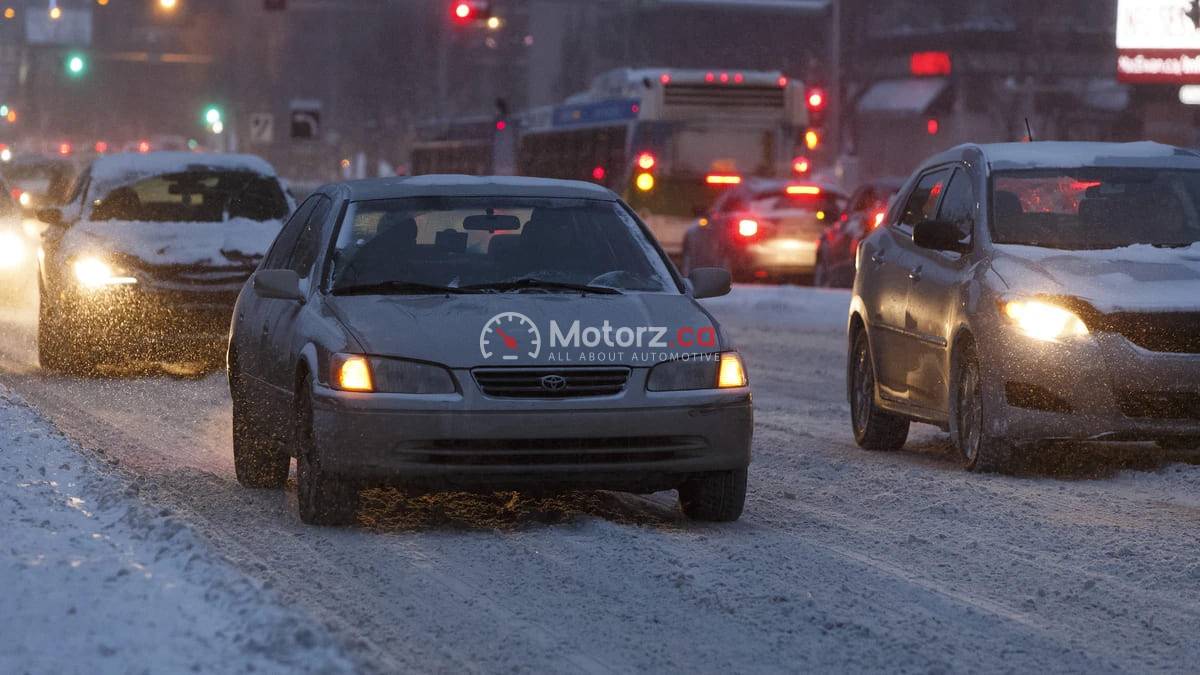
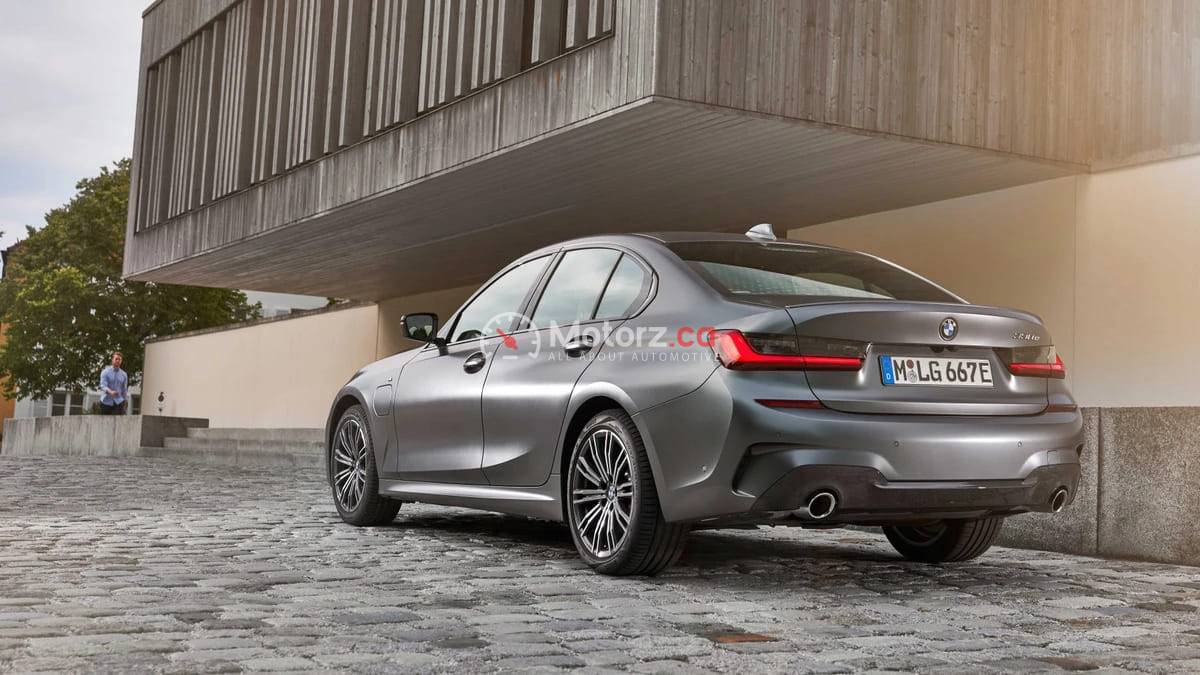


We’ve all seen them. It’s a gray, drizzly Tuesday afternoon, or perhaps that Lighting System “blue hour” just before the sun officially sets. You look in your rearview mirror and see a “phantom car”—a silver or charcoal sedan that is almost invisible against the pavement because its lights are off. Or, even worse, you see a car ahead with bright headlights but a completely dark rear end.
The advent of automatic headlights and LED Daytime Running Lights (DRLs) was supposed to make us safer. Instead, it has created a generation of “stealth drivers” who believe their cars are visible simply because their dashboards are glowing. As Lorraine often complains, relying on your car’s “Auto” setting is a gamble that could cost you—and others—dearly.
In this deep dive, we are going to explore the dangerous myth of the automatic sensor, the “Phantom Tail Light” phenomenon, and why manually turning your light switch to the “On” position is the simplest life-saving habit you can adopt in 2026.
The DRL Delusion: Why Daytime Running Lights Are Not Enough
Daytime Running Lights (DRLs) became mandatory in Canada in 1989 and have since become standard across North America. They serve a great purpose: making you more visible to oncoming traffic during the day. But they have a dark side.
The Glowing Dashboard Trap
In older cars, if your lights were off, your dashboard was dark. This was a physical cue that you needed to turn your lights on. In modern vehicles, dashboards are digital screens or permanently backlit. Because the dash is bright and the DRLs cast a faint glow on the road, many drivers assume their full lighting system is active.
Zero Rear Visibility
The most critical flaw of DRLs is that, on most vehicles, they do not activate the tail lights. While you might think you are visible because your front LEDs are shining, the back of your car is a black hole. In heavy rain, fog, or snow, a driver approaching from behind won’t see you until they are mere meters away—often too late to avoid a collision.
The Failure of “Auto” Sensors in Canadian Weather
Most modern cars feature an “Auto” setting on the light stalk. This relies on a light sensor, usually located on top of the dashboard near the windshield, to decide when it is “dark enough” for the headlights.
The Sensitivity Gap
Light sensors are designed to detect darkness, not poor visibility. They are great at turning on your lights when you enter a tunnel or when night falls. However, they are notoriously bad at detecting:
Heavy Fog: The ambient light is often bright enough to trick the sensor, even though your visibility is near zero.
Whiteout Snow Conditions: The “brightness” of the snow can keep the sensors from triggering, leaving you invisible in a blizzard.
Driving into the Sun: In the late afternoon, the sensor may face away from the setting sun and “see” enough light to stay off, while the glare makes it impossible for other drivers to see you.
The “Wipers On, Lights On” Rule
Many regions have laws requiring headlights to be on whenever windshield wipers are in use. Many “Auto” systems are not linked to the wipers. If you are in a rainstorm and your lights are on “Auto,” there is a high probability your tail lights are dark.
High Beams and Fog Lights: Use Them, Don’t Abuse Them
When we say “turn on all your lights,” we mean your low beams and tail lights. However, knowing when to use your auxiliary lights is just as important for road safety and etiquette.
The Fog Light Misconception
Fog lights are designed to be mounted low on the vehicle to shine under the fog and illuminate the edges of the road. They are not a substitute for headlights. More importantly, many drivers leave their rear fog lights (common on European cars) on during clear nights, which can blind drivers behind you and mask your brake lights.
The High-Beam Etiquette
In 2026, many luxury vehicles feature “Adaptive High Beams” that can “carve out” a shadow around oncoming cars. However, if your car doesn’t have this tech, you must be diligent about dimming your lights. Blinding an oncoming driver doesn’t make you safer; it makes it more likely they will drift into your lane.
Maintenance Matters: Keeping the “Eyes” of Your Car Clean
Turning your lights on is only half the battle. If your lenses are obscured or your bulbs are dimming, your visibility is compromised.
The Salt and Slush Shield
In the winter road salt and grime can create a “film” over your headlight and tail light lenses. This film can reduce light output by up to 50 percent. When you stop for gas, take thirty seconds to wipe down all your exterior lights with a squeegee.
The Hidden Danger of LED Longevity
While LED lights are designed to last the life of the car, they do dim over time. Additionally, because LEDs do not produce heat like old halogen bulbs, they will not melt snow or ice off your lenses. If you are driving in a snowstorm, you may need to pull over periodically to clear the buildup from your headlights.
Be the Driver Who is Seen
Safety isn’t just about how you see the road; it’s about how the road sees you. Relying on “Auto” settings is an abdication of your responsibility as a driver. As Lorraine says, it only takes one second to reach over and click that dial to the “On” position.
By manually turning on your full lighting system—front and back—every time you drive, you eliminate the “Phantom Car” risk. You protect yourself, your passengers, and every other person sharing the asphalt. So, next time you get behind the wheel, don’t trust the computer. Take control, turn on your lights, and make sure you are seen.