


There is a common Diesel Emissions Controls happening in machine shops, truck stops, and online forums across the country. It usually starts with a frustrated diesel owner complaining about a “limp mode” error or the rising cost of Diesel Exhaust Fluid (DEF). Soon, someone suggests the “ultimate fix”: an emissions delete kit.
The promise is tempting. By bypassing the Exhaust Gas Recirculation (EGR), Diesel Particulate Filter (DPF), and Selective Catalytic Reduction (SCR) systems, you are told you will get better fuel economy, more horsepower, and a truck that lasts forever.
But as a mechanic who has seen the “after” photos of these modifications, I am here to tell you that bypassing your diesel’s emissions controls is often a shortcut to financial and mechanical ruin. In this edition of Your Corner Wrench, we are diving deep into why those factory components are there, the hidden risks of removing them, and why “deleting” is no longer the smart play for the modern diesel enthusiast.
Understanding the Modern Diesel Emissions Controls
Before we talk about why you shouldn’t remove these systems, it is important to understand what they actually do. Modern diesel engines are marvels of engineering, designed to be both incredibly powerful and surprisingly clean.
The EGR (Exhaust Gas Recirculation)
The EGR system takes a portion of your exhaust gas and recirculates it back into the engine’s intake. This lowers the combustion temperature, which significantly reduces the production of Nitrogen Oxides (NOx), a major contributor to smog.
The DPF (Diesel Particulate Filter)
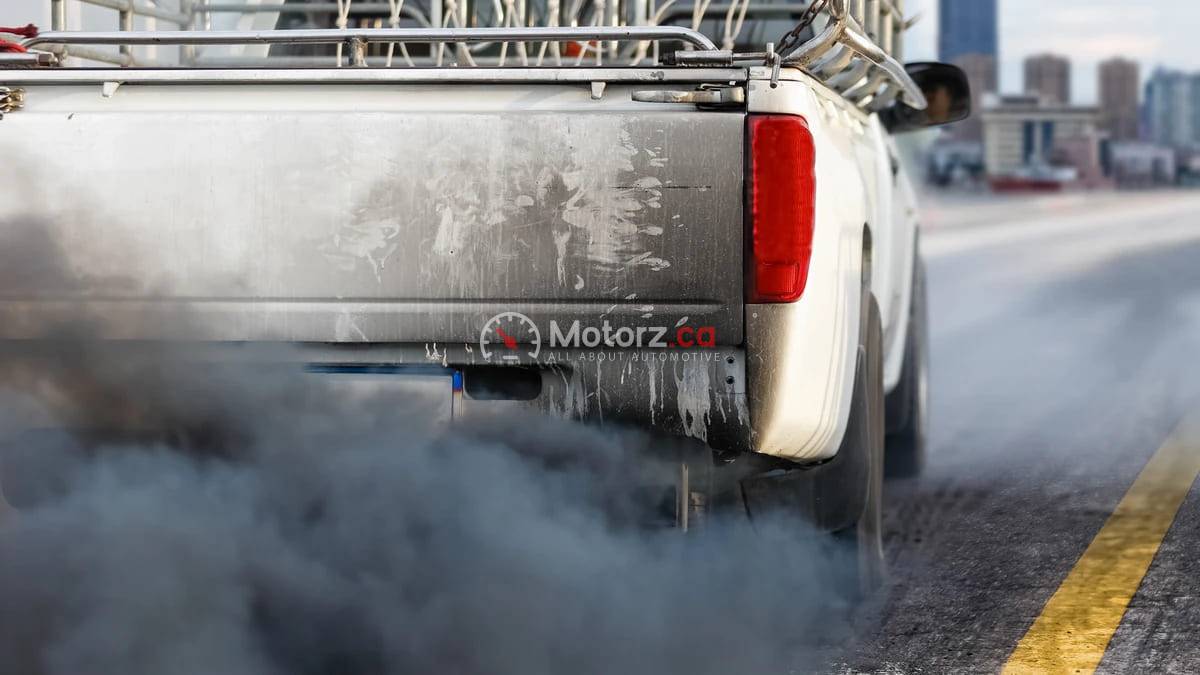
Think of the DPF as a giant soot trap. It catches the black smoke (particulate matter) that used to pour out of old diesel tailpipes. When the filter gets full, the truck enters a “regeneration” cycle, where it injects extra fuel to burn that soot into a fine ash.
The SCR and DEF (Selective Catalytic Reduction)
This system injects a mist of Diesel Exhaust Fluid (a mixture of urea and deionized water) into the exhaust stream. When DEF hits the SCR catalyst, it breaks down NOx into harmless nitrogen and water vapor.
The Myth of the “Better” Deleted Engine
The most common argument for bypassing emissions is that the engine “breathes better.” While it is true that these systems create backpressure, modern engines are specifically mapped and tuned to operate with that pressure. When you delete these systems, you aren’t just removing hardware; you are forcing the engine to operate outside its designed parameters.
Fuel Economy vs. Long-Term Reliability
A deleted truck might see a 10 percent to 15 percent increase in fuel mileage initially. However, the trade-off is often a massive increase in cylinder pressure and heat. Over time, this leads to blown head gaskets, cracked pistons, and turbocharger failure. The money you save at the pump is quickly eclipsed by a 15,000-unit engine rebuild.
The Turbocharger Trap
Many diesel engines use Variable Geometry Turbochargers (VGT). These turbos rely on specific exhaust flow dynamics. When you remove the DPF and EGR, the turbo can over-spool or “bark,” leading to premature bearing failure.
The Legal and Financial Consequences
The days of the “wild west” for diesel modifications are over. Regulatory agencies have moved from targeting the manufacturers of delete kits to the shops that install them and even the individual owners.
Heavy Fines and EPA Crackdowns
The Environmental Protection Agency (EPA) has stepped up enforcement significantly. Civil penalties for tampering with emissions controls can reach tens of thousands of units per violation. Many local shops will no longer even touch a deleted truck for routine maintenance because the liability is too high.
Resale Value Plummets
Try trading in a deleted diesel at a reputable dealership. Most will refuse to take it. To sell it legally, the dealership would have to spend 5,000 to 10,000 units to return it to stock. If you decide to sell it privately, you are legally liable if the buyer cannot pass a state inspection. A deleted truck is essentially a “non-transferable” asset in many states.
Insurance and Warranty Issues
If you have an accident and the insurance adjuster notices your emissions systems have been tampered with, they may have grounds to deny your claim, arguing the vehicle was not “street legal” at the time of the incident. Furthermore, your factory powertrain warranty is instantly voided the moment the ECM (Engine Control Module) is flashed with a non-compliant tune.
The Environmental Impact: More Than Just “Black Smoke”
We often focus on the mechanical side, but the environmental reality is hard to ignore. A single deleted diesel truck produces the same amount of NOx and particulate matter as dozens—sometimes even hundreds—of stock trucks.
Particulate matter isn’t just “dirty smoke.” It consists of microscopic particles that can penetrate deep into human lungs and enter the bloodstream. By keeping your emissions systems intact, you are contributing to better air quality in your own community and protecting the health of those around you.
How to Properly Maintain Your Diesel (So You Don’t Want to Delete It)
Most people want to delete their trucks because they are tired of repairs. The secret to a reliable diesel isn’t removal; it’s proactive maintenance.
1. Stop the Short Trips
Diesels are built for work. Short trips to the grocery store don’t allow the engine to reach operating temperature, which leads to “clogged” EGRs and DPFs. If you own a diesel, make sure you drive it at highway speeds for at least 30 minutes once a week to facilitate a full regeneration cycle.
2. Use High-Quality DEF and Fuel
Contaminated DEF is the leading cause of SCR failures. Only buy DEF from high-turnover locations to ensure it is fresh, and never use fuel additives that aren’t specifically approved for DPF-equipped engines.
3. Keep Your Sensors Clean
Many “major” emissions failures are actually just a 100-unit sensor that went bad. Cleaning your MAP sensor and keeping an eye on your EGT (Exhaust Gas Temperature) sensors can prevent the truck from entering “limp mode” unnecessarily.
Better Alternatives to Deleting
If you want more power or better efficiency, there are legal ways to achieve it:
Custom Cold Air Intakes: Ensure they are 50-state legal and high-flow.
High-Flow Exhaust-Back Systems: You can replace the exhaust from the DPF back to improve sound and slightly reduce heat without touching the emissions components.
Lube Oil Upgrades: Using high-quality synthetic oils designed for heavy-duty diesel use reduces internal friction and heat.
The Long Game
Bypassing your diesel’s emissions controls might feel like a win in the short term, but the long-term reality involves legal risks, decreased resale value, and the potential for catastrophic engine failure. Modern diesel technology is incredibly capable—it just requires a different approach to maintenance than the trucks of twenty years ago.