



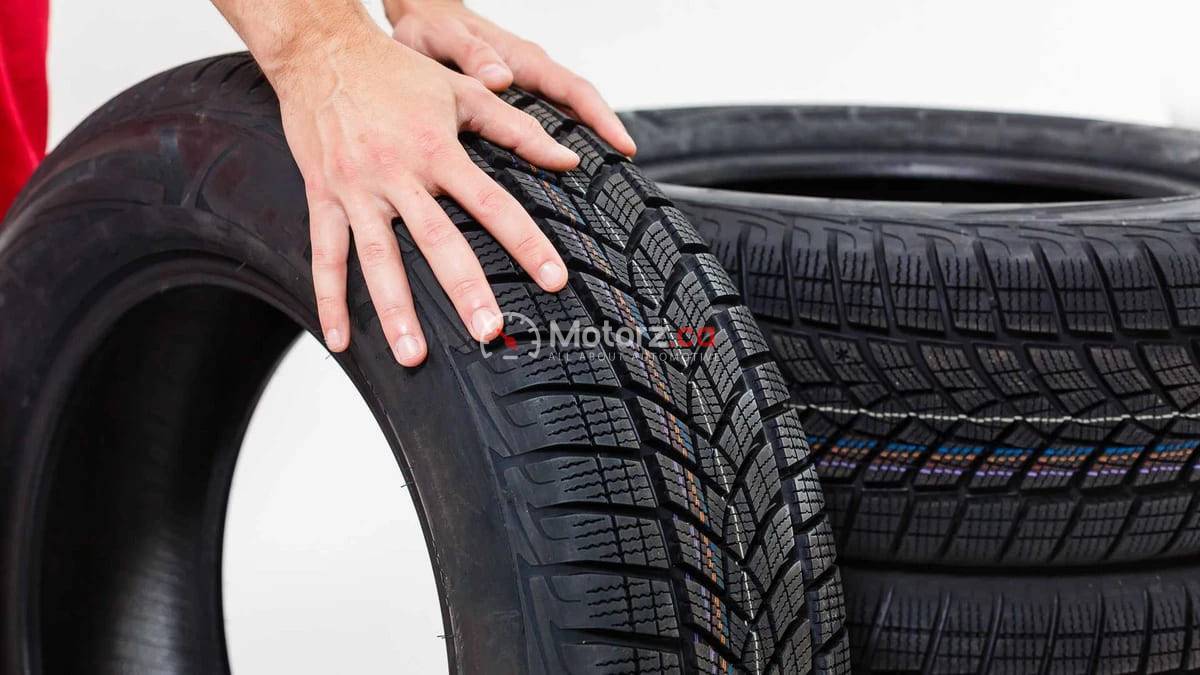

As the Cost of Winter Tire Changes drops below the crucial 7 degrees Celsius threshold, the seasonal ritual begins: changing your tires. For drivers in Canada and other cold climates, switching from summer or all-season tires to dedicated winter tires is a non-negotiable safety measure. However, this twice-yearly necessity often comes with a confusing price tag, leaving many to wonder exactly how much they should budget.
The cost to switch winter tires is not a single, fixed number. It varies wildly based on two key factors: your existing tire setup (do you have a second set of rims?) and your chosen service method (DIY, independent shop, or dealership). The difference between the cheapest and most expensive professional service can be hundreds of dollars per year.
This definitive guide breaks down the true financial and logistical costs associated with the winter tire changeover. We’ll analyze the cost savings of installing a dedicated set of rims (the Tire Swap vs. Tire Changeover debate), reveal typical Canadian pricing ranges, and explain hidden fees like TPMS resetting and tire storage, empowering you to budget accurately and choose the most cost-effective solution for your vehicle.
Deciphering Tire Change Terminology: Cost of Winter Tire Changes
Before looking at prices, you must understand the difference between the two main types of professional tire installation services. This distinction is the single biggest factor in determining your final bill.
The Tire Swap (Cheaper, Faster, Recommended)
A Tire Swap (or “wheel change”) is the simpler and significantly cheaper service.
What it is: You already own two complete, separate sets of tires, with each set mounted on its own wheel/rim (e.g., your winter tires are already mounted on a set of steel rims, and your all-seasons are on your alloy rims).
The Process: The technician simply removes one complete wheel assembly (tire and rim) from your car and bolts the other complete wheel assembly onto the hub.
Cost Drivers: The service is primarily labour for removing and re-installing the wheels. Since the tires are already balanced on their rims, no specialized mounting or balancing is required.
Typical Cost Range (Professional): Expect to pay between 50 and 100 for a full set of four wheels.
The Tire Changeover (More Expensive, Complex, Higher Risk)
A Tire Changeover (or “mount and balance”) is the necessary but more expensive service, only required if you have just one set of wheels/rims.
What it is: You only own one set of wheels, so the shop must physically remove the rubber tire from the rim and install the new tire onto the same rim.
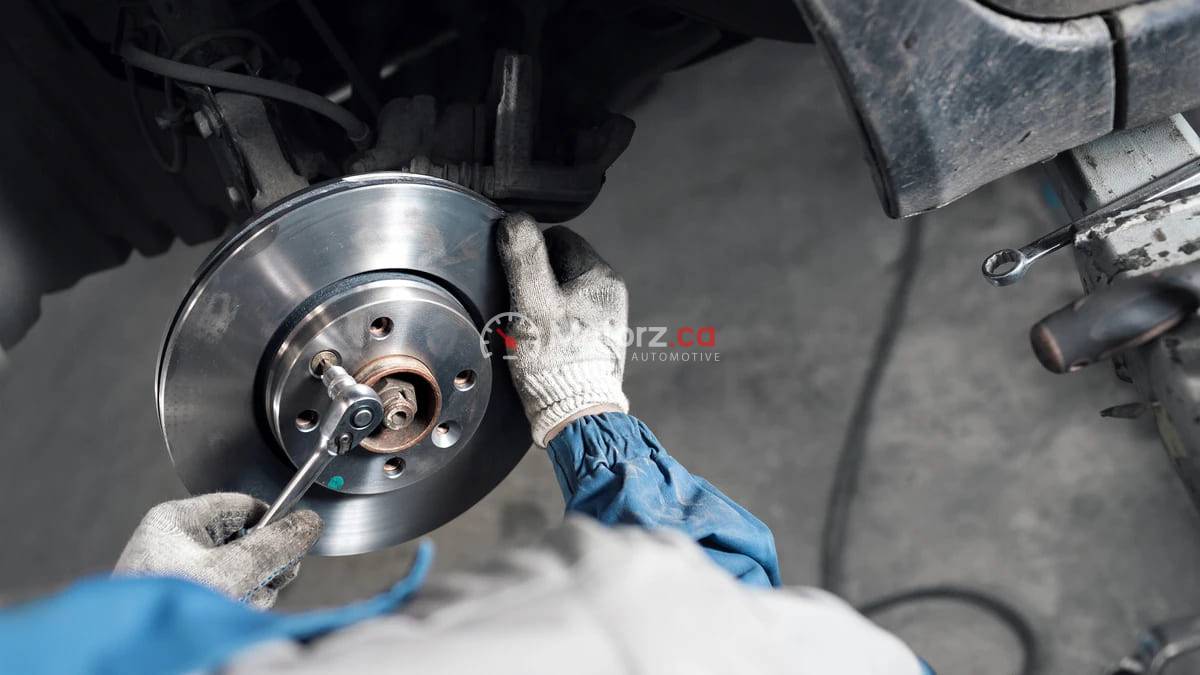
The Process: The technician must dismount the old tire, inspect the rim, mount the new tire, install a new valve stem, and critically, re-balance the new tire-and-rim assembly.
Cost Drivers: This requires specialized, heavy machinery (tire mounting and balancing machines) and significantly more labour time (typically 45-90 minutes). It is billed per wheel/tire.
Typical Cost Range (Professional): Expect to pay between 100 and 200 for a full set of four tires, excluding any new tire purchase costs.
Key Takeaway: If you plan to use winter tires for five or more seasons, investing in a second set of basic steel rims will almost always pay for itself in cumulative labour savings from choosing the cheaper “Tire Swap” service twice per year.
Breaking Down Professional Winter Tire Installation Costs
The final price you pay depends heavily on where you go for service and the complexity of your vehicle.
Average Price Estimates for Key Services
Canadian prices vary by city and shop type (e.g., dealership vs. independent tire shop), but here are typical ranges for standard passenger vehicles:
Hidden Fees and Factors that Increase Costs
Watch out for these factors that can raise the cost of your tire change:
Vehicle Size and Tire Size: Larger vehicles (heavy SUVs, pickup trucks, vans) and vehicles with larger diameter wheels (20 inches or more) often incur an extra charge (e.g., 20 to 50 extra) due to the increased effort and specialized equipment needed to handle the larger, heavier assemblies.
Run-Flat Tires (RFT): Run-flat tires have stiffer sidewalls and require specialized, high-force machinery to safely mount and dismount. Shops will almost universally charge an additional fee per tire for RFTs.
Low-Profile Tires: Tires with a very low aspect ratio (e.g., a 35 or 40 series profile) are also much harder to mount without damaging the sidewall or the rim, leading to surcharges.
TPMS Sensors: If your winter tires are on a separate set of rims, your new rims likely have their own Tire Pressure Monitoring System (TPMS) sensors. These must be programmed or recalibrated to your vehicle’s computer, which is a labour cost separate from the basic swap.
The DIY Option: Calculating the Cost of Self-Installation
For drivers with a dedicated set of winter rims, performing a DIY Tire Swap at home is the most cost-effective option, eliminating professional labour fees entirely.
Required Tools and Their Cost
The savings from DIY are only realized after you invest in the proper equipment. Safety and accuracy are paramount, so cheap tools are not recommended.
Total Initial Investment: Approximately 180 to 430.
The Financial Payback of DIY
If a professional swap costs 80, the DIY cost of 0 per season means the initial investment in high-quality tools is recouped quickly:
Insight: If you invest 320 in tools, you break even and start saving money after the third changeover (1.5 years). For multi-car households, the savings are immediate and massive.
DIY Limitations (Why Professionals Still Matter)
While you can perform a Tire Swap at home, you cannot perform a Tire Changeover (mounting and balancing tires off the rims).
Balancing: Proper wheel balancing requires a specialized machine to ensure the weight is evenly distributed around the wheel assembly. Improperly balanced tires lead to annoying vibrations, premature tire wear, and increased stress on steering/suspension components.
TPMS Reset: Many modern vehicles require a professional OBD-II diagnostic tool to teach the car the ID codes of the newly installed TPMS sensors.
Smart Strategies for Minimizing Winter Tire Change Expenses
You can actively manage and reduce the annual cost of switching your tires without sacrificing safety.
Timing, Bundles, and Discounts
Book Early (Avoid Peak Season Premiums): The seasonal peak—late October through mid-November—sees massive demand. Booking in September or late November often gives you access to lower rates, shorter wait times, and bundled deals.
Look for Promotional Packages: Many dealerships and large chain tire shops (e.g., Kal Tire, Fountain Tire) offer seasonal packages that bundle the swap service with a wheel alignment check, fluid top-ups, or free tire storage for the first season, providing better value than paying for services individually.
Use Insurance Discounts: In provinces like Ontario, drivers who install winter tires are mandated to receive an insurance discount. This ongoing saving should be factored into the total cost of ownership, making the initial investment more palatable.
Maximizing Tire Life to Reduce Replacement Costs
The lifespan of your winter tires is directly linked to two maintenance habits often included in the changeover cost:
Annual Wheel Alignment: Potholes and curbs are brutal on suspension geometry. An alignment (80-150) ensures all four wheels are pointing straight, preventing one or two tires from rapidly wearing down due to poor camber or toe settings.
Tire Rotation: When you switch tires, always ensure the tires are rotated (moving front tires to the rear, and vice versa). This promotes even wear across all four tires, maximizing their lifespan and delaying the expensive cost of buying a new set.
Investing in Safety, Optimizing the Cost
The cost of a winter tire change is an unavoidable semi-annual expense for safety-conscious drivers in cold climates. By understanding the core difference between the cheap, simple Tire Swap (on rims) and the complex, expensive Tire Changeover (off rims), drivers can make smart long-term decisions.
For maximum cost efficiency, the clear winner is the initial investment in a second set of steel wheels, coupled with the DIY option for the changeover. This strategy quickly recoups the upfront cost of rims and tools, granting long-term savings and the safety guarantee of running dedicated winter rubber. Ultimately, whether you pay 50 for a swap or 200 for a changeover, this expense is an investment in shorter stopping distances and winter driving control that no driver should skip.