
When you purchase a new or 10-Year Maintenance and Repair Bill, the sticker price is just the down payment on the full cost of ownership. The true financial commitment is revealed over time through the cumulative expenses of maintenance, scheduled services, and unexpected repairs. Over a decade, these costs can easily rival the vehicle’s purchase price, especially for certain brands.
According to automotive industry data, the average cost to maintain and repair a mass-market vehicle over a ten-year period is approximately 6,501, excluding accident-related repairs. However, this average masks a massive disparity, with some brands costing three times that amount. Understanding these long-term maintenance costs is perhaps the single most crucial factor in making a fiscally sound vehicle decision.
This comprehensive guide breaks down the financial reality of 10-year vehicle maintenance, provides the latest data on the cheapest and most expensive brands, and outlines the key factors—from labor rates to vehicle complexity—that will determine your personal long-term ownership expense.
The Financial Split: 10-Year Maintenance and Repair Bill
Vehicle expenses over a decade fall into two main categories, and their proportion shifts dramatically as a car ages.
Routine Maintenance
Routine maintenance covers scheduled, predictable service tasks designed to prevent major failures. These costs are typically lower in the first five years due to comprehensive factory warranties and the vehicle’s new components.
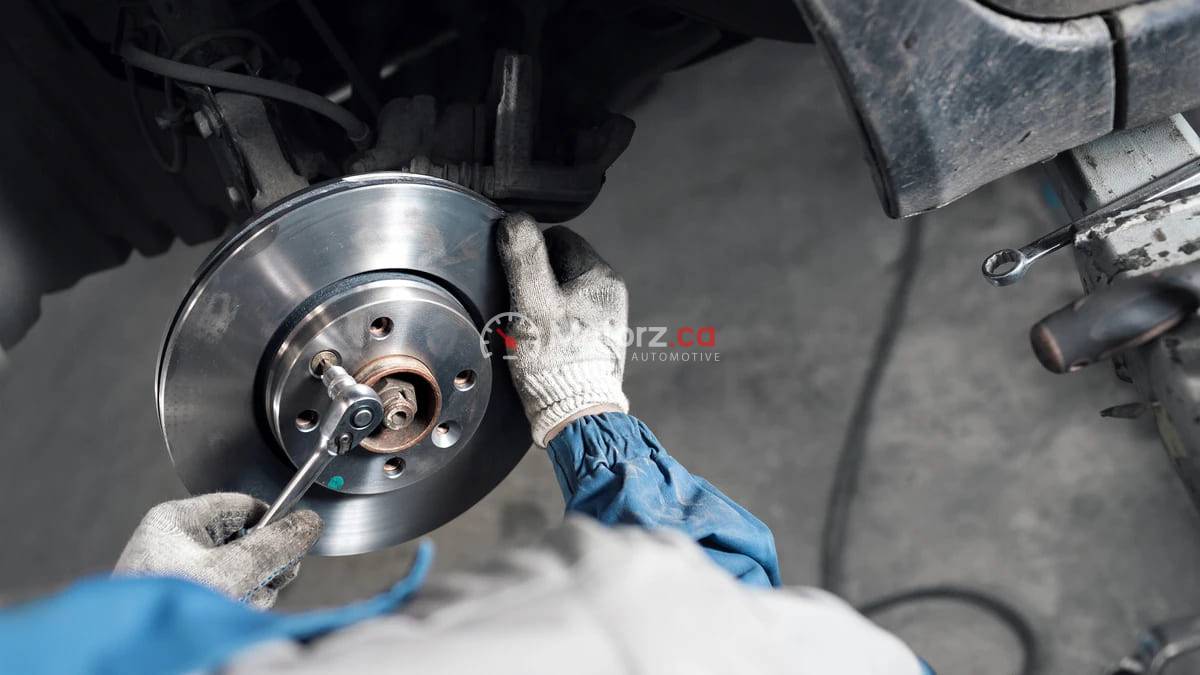
Examples: Oil and fluid changes, tire rotations and replacements, air filter replacements, brake pad inspections, and scheduled mileage checks (e.g., 30,000-mile service).
Cost Profile: The average cost over the first five years for most brands is low, often ranging between 700 to 1,500. This is the cheapest period of ownership.
Unscheduled Repairs (Years 6-10)
As a vehicle approaches the second half of its life, major mechanical and structural components begin to fail, leading to significantly higher and less predictable repair bills.
Examples: Transmission replacement, alternator failure, suspension components (shocks/struts), timing belt replacement, water pump or radiator failure, and major electronic system repairs.
Cost Profile: Costs skyrocket in years six through ten. For some brands, the repair and maintenance bill in the second five-year period can be three to four times higher than the first five years. This is the period that truly separates the affordable brands from the prohibitively expensive ones.
Key Insight: Many car buyers base their decision only on the first five years of ownership, overlooking the exponential rise in costs that occurs immediately after the standard bumper-to-bumper warranty expires.
The Long-Term Cost Breakdown: Cheapest and Most Expensive Brands
Data consistently shows a massive divergence in 10-year maintenance costs, primarily driven by component reliability, parts pricing, and specialized labor requirements.
The Most Affordable Brands to Maintain Over a Decade
Brands known for engineering simplicity, high-volume parts availability, and robust reliability consistently top the charts for low 10-year maintenance costs.
The consistent reliability of these brands is a primary factor. For instance, Toyota is often tied with Buick as the cheapest brand to maintain and repair over a decade.
The Most Expensive Brands to Maintain Over a Decade
Unsurprisingly, the luxury and performance segments dominate the high end of the maintenance scale. These vehicles often require specialized diagnostic equipment, imported parts, and significantly higher labor rates at authorized service centers.
Crucial Observation: Land Rover owners can expect to spend over three times what a Toyota owner spends on maintenance and repairs over the same 10-year period. This expenditure often costs nearly as much as buying a small new car.
Four Key Factors That Determine Your Personal Cost of Ownership
The averages are useful, but your individual 10-year maintenance cost will be determined by how you drive, where you live, and the type of vehicle you choose.
Vehicle Age, Mileage, and Complexity
These three variables are mathematically linked to rising costs:
Age and Time-Based Wear: Components made of rubber and plastic, such as tires, belts, hoses, and suspension bushings, degrade due to time, heat, and environmental exposure regardless of mileage. Fluids (brake fluid, coolant) also break down and lose effectiveness over several years, necessitating replacement every 2 to 5 years, adding to costs even on low-mileage vehicles.
Component Complexity: Modern technology, such as forward collision warning sensors, adaptive cruise control radars, and sophisticated electronic suspension systems, cost exponentially more to repair or replace than conventional parts. A simple fender bender on a vehicle with advanced driver-assistance systems (ADAS) can instantly turn into a multi-thousand repair bill.
Driver Behavior and Operating Environment
How you treat your vehicle can dramatically accelerate or slow down the 10-year maintenance curve:
Aggressive Driving: Frequent hard braking and rapid acceleration cause premature wear on tires, brake pads, and rotors, increasing the replacement frequency. Smooth, predictive driving maximizes the lifespan of consumables.
Environment: Driving primarily in stop-and-go city traffic (start-stop cycles) is much harder on the transmission and brake system than steady highway cruising. Conversely, driving on poor, pothole-ridden roads in cold climates rapidly accelerates wear on the suspension components and tires.
Powertrain Type (ICE vs. EV vs. Hybrid)
The type of engine and transmission technology dictates the type and frequency of maintenance required.
Internal Combustion Engine (ICE): Requires routine, predictable maintenance: oil changes (every 5,000 to 10,000 miles), spark plugs, timing belts (every 60,000 to 100,000 miles), and exhaust system checks. While these are frequent, the individual costs are generally low.
Electric Vehicle (EV): EVs, such as Tesla, generally have the lowest routine maintenance costs. They require no oil changes, far less frequent brake services (due to regenerative braking), and the main battery pack often has an extensive 8-year/100,000-mile warranty. The primary long-term costs are tires and eventual replacement of expensive components like battery thermal management systems.
Hybrid: These vehicles combine the complexity of an ICE engine (requiring oil changes and engine maintenance) with the specialized battery systems of an EV, potentially leading to the most complex, and thus potentially most expensive, combination if the hybrid components fail outside of warranty.
Labor Rates and Parts Availability
Labor rates vary significantly by region and type of shop.
Geographic Location: Labor rates in major metropolitan areas (e.g., California, New York) can be 50 to 100 higher per hour than in rural or suburban areas.
Parts Sourcing: Vehicles that rely heavily on proprietary, imported, or specialized parts (European luxury brands) are more vulnerable to supply chain disruptions and require certified mechanics, inflating both parts and labor costs. High-volume cars from Toyota or Ford have readily available aftermarket and OEM parts, fostering price competition.
Strategies for Reducing Your 10-Year Maintenance Bill
While some costs are fixed, smart ownership strategies can significantly cut down the total bill over a decade.
Prioritize Preventative Maintenance
The principle of preventative maintenance is simple: paying a little now saves a lot later.
Follow the Manual: Strict adherence to the manufacturer’s recommended service schedule is the single best way to maximize component lifespan and prevent catastrophic failures.
Fluid Flushes: Be proactive with essential fluids. Changing transmission fluid, brake fluid (which absorbs moisture), and engine coolant before the maximum recommended interval can protect the most expensive components in the vehicle (transmission and engine cooling systems).
Smart Part and Service Choices
The Tire Strategy: Tires are one of the highest recurring costs. Choose durable, all-season tires with high treadwear ratings rather than expensive, high-performance soft-compound tires that wear out quickly. Rotate and align your wheels religiously.
Independent Specialists: After the factory warranty period expires, look for well-reviewed independent, specialized mechanics (e.g., a “Toyota Specialist” or “BMW Independent Shop”). Their labor rates and parts markups are often substantially lower than the dealership, offering significant savings on complex repairs.
Takeaway for Buyers
The 10-year cost of ownership calculation is a powerful, necessary tool for financially savvy car buyers. While initial purchase price and depreciation are important, the maintenance cost is the controllable variable that dictates your long-term monthly motoring budget. By choosing brands with a proven track record of low long-term costs (like Toyota or Tesla) and committing to vigilant, preventative maintenance, you can save thousands over the life of your vehicle.