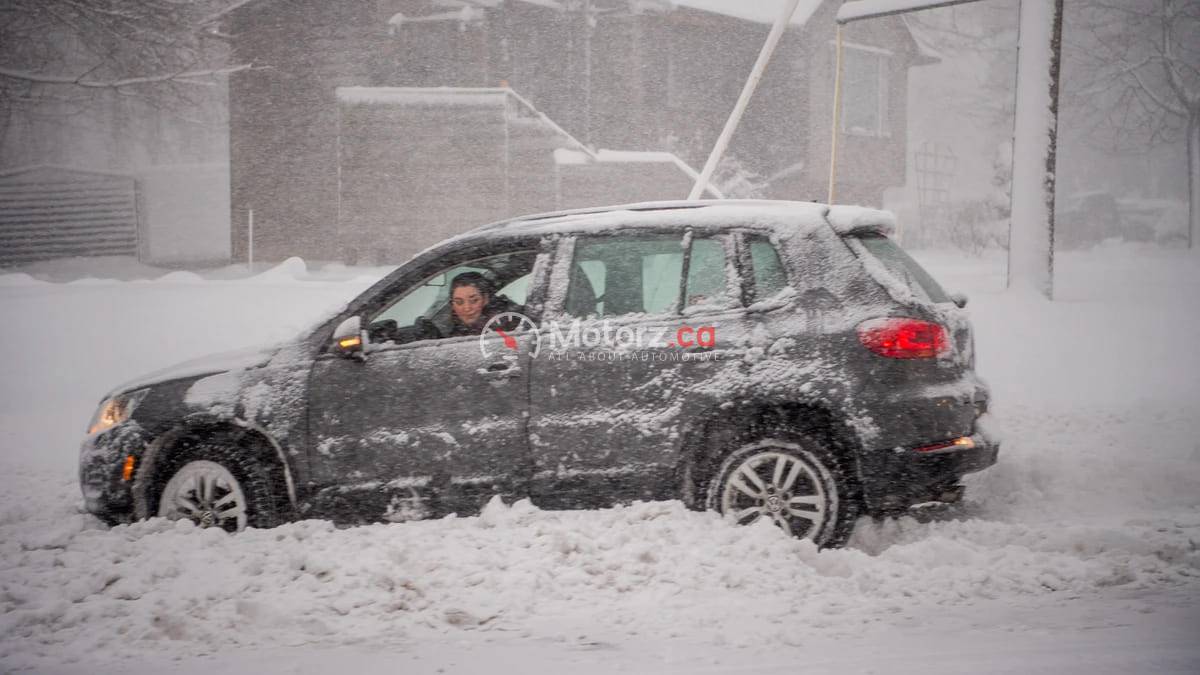

Driving in Montreal is a unique experience. We battle traffic, navigate a maze of construction cones, and master the art of the defensive swerve to avoid a pothole the size of a small crater. But the city’s greatest challenge to a vehicle’s health isn’t the commute; it’s the climate. Montreal’s harsh winters, with their brutal cold, mountain of snow, and relentless use of road salt, wage a constant war on your car.
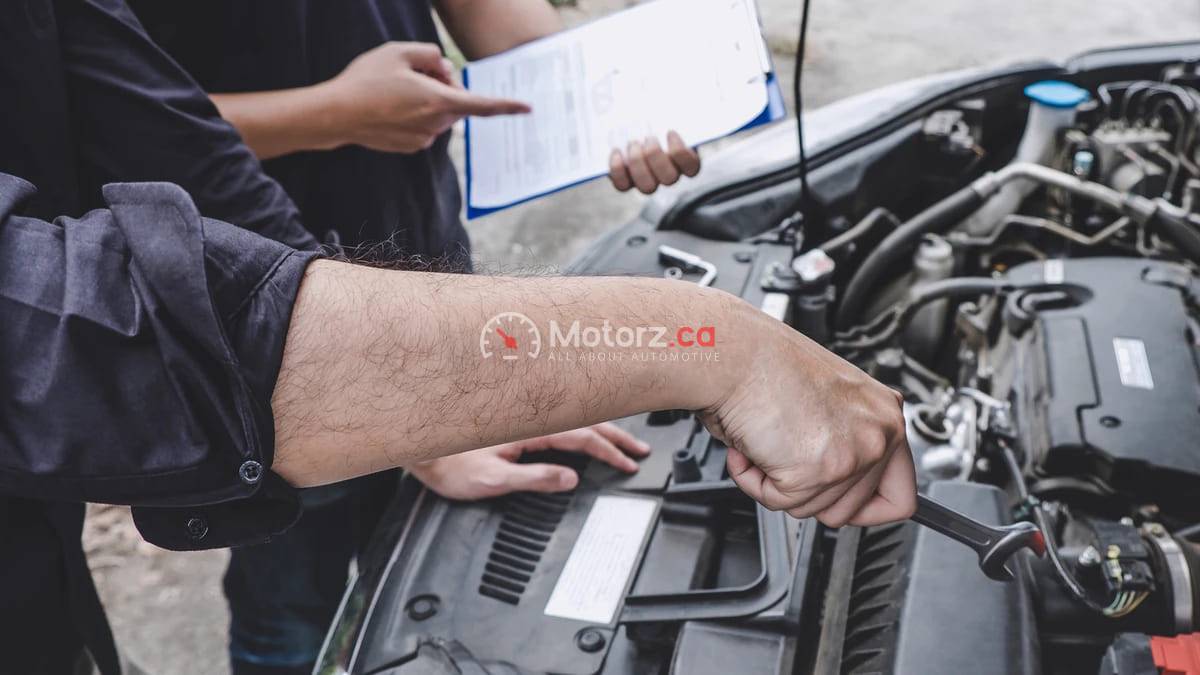
While a mechanic’s expertise is invaluable for major Montreal Driver, a significant amount of money and stress can be saved by performing a few simple maintenance tasks yourself. These are not complex, time-consuming jobs. Instead, they are easy, practical checks that can prevent a minor issue from becoming a costly, major breakdown.
This guide will empower you with the five most crucial maintenance tasks every Montreal Driver should know. By dedicating just a few hours a year to these simple steps, you can protect your investment, extend your vehicle’s lifespan, and drive with confidence, no matter what the Montreal streets throw at you.
The Winter Tire Swap
This is the most critical and non-negotiable task for any Montreal Driver. It’s not just about safety; it’s the law.
The Law and the Montreal Driver
In Quebec, it is legally mandatory for all passenger vehicles to be equipped with winter tires from December 1st to March 15th, inclusively. Failure to comply can result in a fine of up to $300, but the real cost of not having them is much higher. All-season tires lose their grip and become hard as plastic when the temperature drops below 7°C, which can happen as early as October in Montreal Driver. Winter tires, with their unique rubber compound and aggressive tread pattern, are designed to remain flexible and grip the road in cold, snowy, and icy conditions. They can reduce braking distances by up to 25% on a snowy road—a fact that could literally save your life.
How to Do It
If you have a separate set of tires and rims, you can easily perform the tire swap yourself. It’s a great way to save money and avoid the hectic pre-December rush at the garage.
Gather Your Tools: You’ll need a jack, a tire iron, and possibly a torque wrench. Make sure you have your Montreal Driver owner’s manual handy to locate the proper jacking points.
Find a Flat Surface: Park on a level, hard surface and engage the Montreal Driver brake. If you have automatic transmission, put the car in “Park”; if you have a manual, put it in first gear or reverse.
Loosen the Lug Nuts: Use the tire iron to loosen the lug nuts on the tire you’re about to remove. Do this before you jack up the car.
Jack Up the Car: Raise the vehicle until the wheel is off the ground.
Remove the Tire: Remove the lug nuts completely and take off the wheel.
Install the Winter Tire: Place the winter tire on the wheel studs and screw the lug nuts back on by hand, in a star pattern.
Lower the Car and Tighten: Lower the Montreal Driver and use the tire iron to tighten the lug nuts in a star pattern until they are secure. You can then use a torque wrench to ensure they are at the manufacturer’s recommended setting.
Check Tire Pressure: Use a tire pressure gauge to check the pressure of all four tires and inflate them to the recommended pressure found on the sticker inside your driver’s side door jamb.
If you don’t have separate rims, the cost of a winter tire swap in Montreal Driver can range from $120 to $160. Booking your appointment well in advance (in early October) is crucial to avoid long waits.
The Rust Prevention Ritual
Montreal’s most insidious enemy of Montreal Driver is not the pothole; it’s the combination of salt, sand, and humidity that works to corrode your vehicle from the inside out. A single winter can do more damage to your vehicle’s structure and finish than a decade of driving in a dry climate.
The Enemy Within
Rust is a silent killer. It starts as minor surface corrosion but can quickly eat through a car’s frame, brake lines, and suspension components, making the car not just an eyesore but also a serious safety hazard.
How to Protect Your Vehicle
The key to rust prevention is to remove the corrosive agents before they can do their damage.
Regular Washing, Especially the Undercarriage: During the winter, it’s not just about keeping the car looking clean; it’s about getting the salt off. Every time the temperature rises above freezing, head to a car wash. Choose a touchless wash that offers an undercarriage wash, which uses high-pressure water jets to blast salt and grime from the areas where it accumulates most.
The Rustproofing Treatment: This is a small annual investment that can save you a fortune in the long run. Professional rustproofing services use an oily, rust-inhibiting substance that is sprayed into all the nooks and crannies of your Montreal Driver, including the doors, trunk, hood, and, most importantly, the undercarriage. This coating repels moisture and salt, preventing rust from forming. Companies like Krown or Rust Check are well-known in Quebec for this service, and an annual treatment is highly recommended for any car you plan on keeping for more than a few years.
Spot Check and Touch-Ups: Inspect your Montreal Driver exterior for paint chips, as these are open doors for rust. A small paint chip can lead to a major rust spot. A simple touch-up paint pen, available at most auto parts stores, can prevent this.
The Pothole Check-Up
Montreal Driver roads are famous for their springtime potholes. Hitting a large one can do more than just rattle your teeth; it can cause serious and expensive damage to your car. After any significant impact with a pothole, it’s wise to perform a quick visual and aural inspection.
Listening and Looking
Listen for New Noises: After a big jolt, listen for any new sounds while driving. A continuous “clunking” or “rattling” from the suspension could be a sign of a damaged shock absorber or a bent suspension arm.
Check Your Tires and Rims: Immediately after hitting a pothole, safely pull over and inspect your tires. Look for any bulges on the sidewall, which could indicate a damaged internal structure and a high risk of a blowout. Also, inspect your rims for any significant dents or Montreal Driver. Both of these issues require immediate attention from a tire shop.
The Simple Alignment Test
A pothole can easily knock your wheels out of alignment, which can lead to rapid tire wear and poor handling. You can perform a simple test to check for this yourself.
Find a Flat, Safe Road: On a straight, level road with no traffic, slowly and carefully release the steering wheel.
Watch the Steering: If your car drifts or pulls to one Montreal Driver, your alignment is likely off. A professional alignment is a quick and relatively inexpensive fix that will save you money on premature tire replacement in the long run.
The Fluids and Battery Check
This is a fundamental part of car ownership, but it becomes especially important in a Quebec winter. Cold weather puts a strain on every component of your vehicle, and a quick check of a few key fluids can prevent a major headache on a -20°C morning.
The Lifeblood of Your Car
Engine Oil: Check your oil level with the dipstick. It should be between the “min” and “max” lines. Winter oil is often a thinner viscosity (e.g., 0W-20 vs. 5W-30), which makes it flow better in the cold. Ensure you are using the right kind for your car.
Washer Fluid: This is a crucial one. Ensure you are using winter-specific windshield washer fluid. The summer-grade stuff will freeze on your windshield in the cold, creating a dangerous loss of visibility. Winter fluids are rated to not freeze at temperatures well below -30°C.
Coolant (Antifreeze): A Montreal Driver coolant protects the engine from both overheating and freezing. It’s a mixture of coolant and water. Check the level in the reservoir; it should be between the indicated lines. If it’s low or hasn’t been changed in a long time, get it topped up or flushed by a professional.
The Battery Test
A car battery’s performance drops significantly in the cold. It takes more power to start a cold engine, and the battery’s ability to provide that power is reduced.
Check for Corrosion: Lift the plastic covers off your battery Montreal Driver and check for any white or bluish-green buildup. This corrosion can prevent a good electrical connection. You can clean it off with a wire brush and a paste of baking soda and water.
Know Its Age: If your battery is over four years old, it’s living on borrowed time. Have a professional test its cold-cranking amps before winter sets in.
The Wiper Blade and Headlight Refresh
This may seem minor, but in a city known for its blizzards, freezing rain, and poor visibility, it’s a matter of safety.
Seeing and Being Seen
Old, worn-out wiper blades will not clear your windshield effectively, leaving streaks and compromising your vision in a snowstorm. Dirty, cloudy headlights will severely reduce your ability to see and be seen at night.
How to Replace Them
Wiper Blades: This is a task almost anyone can do. Most auto parts stores will have a catalog to tell you the correct size for your Montreal Driver. Replacing them usually involves simply unclipping the old blade and clipping the new one in place. It takes less than five minutes. Consider investing in winter-specific blades, which are heavier and more robust.
Headlight Restoration: If your headlights are cloudy or yellow, you don’t need to replace them. You can buy a simple headlight restoration kit for under $30. These kits come with sandpaper, polish, and a sealant that can make your headlights look brand new again and drastically improve their visibility.