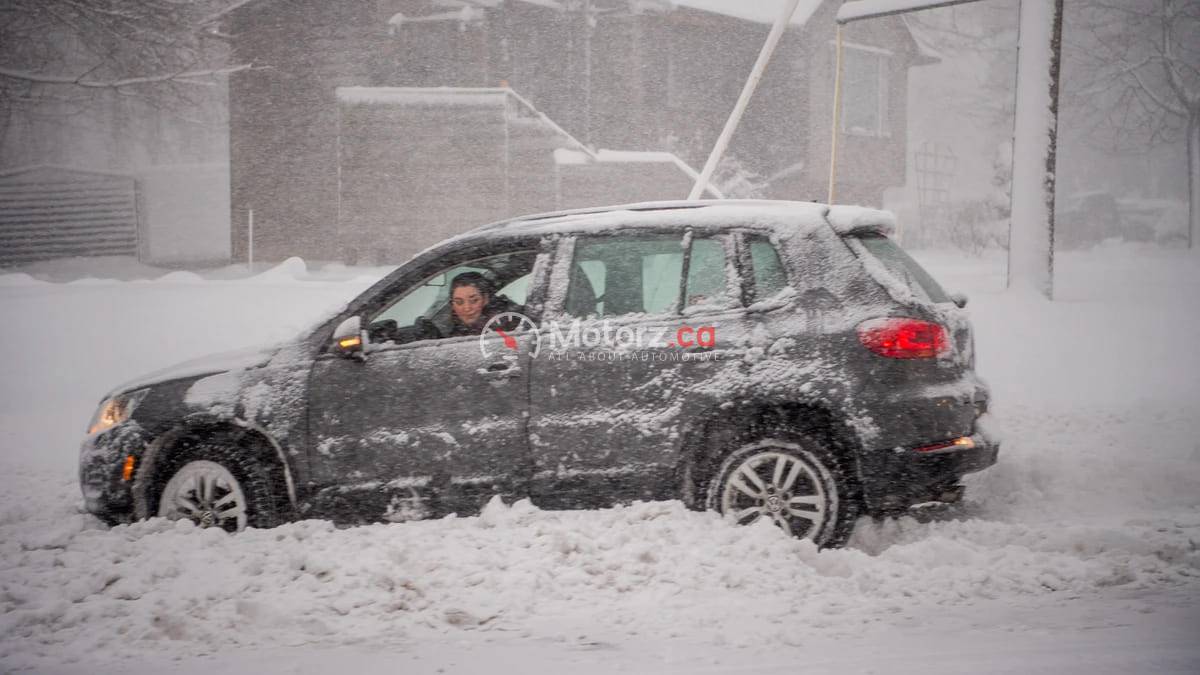

It is 6:00 AM, the air is sharp enough to sting, and you are already Frozen Car Survival Guide late. You step outside only to find your car transformed into a rolling popsicle. The doors are glued shut by ice, the windshield is a solid sheet of white, and the wipers are frozen in a desperate embrace with the glass.
In these moments of high-stress and low temperatures, human instinct is to solve the problem as fast as possible. However, when it comes to a frozen vehicle, speed is often the enemy of safety. Using the wrong technique to de-ice your car doesn’t just waste time—it can lead to shattered glass, fried electronics, and thousands of units in repair bills.
Whether you are dealing with a deep freeze in the Midwest or a sudden mountain frost, this guide will walk you through the five critical “don’ts” of winter car care and provide the safe, professional alternatives you need to get back on the road.
Never Pour Boiling Frozen Car Survival Guide Windshield
This is perhaps the most common Frozen Car Survival Guide suggested on social media, and it is also the most destructive. It seems logical: hot melts cold, right? While the science of thermal dynamics supports the melting, it ignores the physics of thermal shock.
Why It’s a Disaster
Automotive glass is designed to be tough, but it expands and contracts based on temperature. When you pour boiling water (reaching 100 Celsius) onto glass that is at or below 0 Celsius, the rapid expansion of the surface layer creates massive internal stress.
Shatter Risk: The glass can crack instantly, often with a loud “pop.”
Spiderwebbing: Even if it doesn’t shatter, small, invisible chips can turn into massive cracks across the entire field of vision.
Seal Damage: The extreme heat can warp the rubber gaskets and adhesives that keep your windshield watertight.
The Safe Alternative: Luke-Warm Water or De-Icer
If you must use water, use room temperature water. It will still melt the ice effectively without the risk of exploding the glass. Better yet, use a commercial de-icing spray or a homemade mixture of two parts rubbing alcohol and one part water. This solution has a much lower freezing point and will melt ice safely in seconds.
Stop Yanking on Frozen Door Handles
You pull the handle, but it doesn’t budge. Your first instinct might be to put your weight into it and give it a massive tug. Don’t. Modern car handles, especially those made of reinforced plastics or those with electronic actuators, are not designed to withstand that level of force.
The Consequences of Forced Entry
Broken Handles: You could literally pull the handle right off the door.
Snapped Latches: The internal cable or rod that connects the handle to the latch can snap, leaving the door permanently stuck or unable to close.
Torn Weatherstripping: Often, it isn’t the lock that is frozen, but the rubber seal around the door. Ripping the door open can tear the rubber right off the frame, leading to leaks and wind noise later.
The Better Way: The “Push-Pull” Method
Instead of pulling, try pushing on the door. Firmly lean your weight against the door frame. This pressure can often break the thin seal of ice around the rubber. If that fails, use a de-icer spray around the edges of the door or a hairdryer on a low setting to gently warm the perimeter.
Don’t Use Improvised Scrapers
We’ve all been there—you can’t find the ice scraper, so you reach into your wallet for a plastic card or run to the kitchen for a metal spatula. Using the wrong tool is a recipe for permanent damage.
The Risk to Your Exterior
Scratched Glass: Metal spatulas and even some hard plastics can leave micro-scratches on your windshield. These scratches catch the light of oncoming traffic at night, creating a dangerous glare.
Paint Damage: If you slip while using a makeshift tool, you are likely to gouge the paint on your hood or pillars.
Ruined Cards: A credit card is too flimsy; you’re more likely to snap the card or damage the magnetic strip than you are to clear the ice.
Pro Tip: The Plastic Bag Trick
If you are truly stuck without a scraper, fill a sturdy plastic zip-top bag with warm (not hot!) water. Slide the bag across the surface of the glass. The heat transfer will melt the ice enough for you to wipe it away with a soft cloth or your wipers once they are freed.
Never Force Your Windshield Wipers
Many drivers leave their wipers in the “auto” setting or turn the car on with the wipers already switched to “on.” If the blades are frozen to the glass, the wiper motor will try to move them anyway.
Mechanical Failures to Avoid
Blown Fuses: The motor works so hard to move the stuck blades that it draws too much current and pops the fuse.
Stripped Gears: The plastic gears inside the wiper transmission can strip, meaning your motor will hum but the wipers won’t move.
Torn Rubber: The delicate edge of the wiper blade will stay stuck to the ice while the arm moves, effectively “skinning” your wiper blade and making it useless for rain.
The Solution: Pre-Winter Prep
Always turn your wipers off before exiting the vehicle at night. During the defrosting process, wait until the defroster has warmed the bottom of the windshield before attempting to use the wipers. You should be able to lift them freely by hand before you ever turn the switch.
Don’t Leave Your Car Idling Unattended
It is tempting to start the car, turn the heater to max, and go back inside for a coffee. While “warming up” the engine is a common practice, doing it unattended is risky for several reasons.
The Three Main Risks
Theft: “Puffing” (leaving a car running with exhaust visible) is an open invitation for car thieves. Many insurance policies will not cover a theft if the keys were in the ignition of an unlocked, running vehicle.
Engine Wear: Modern fuel-injected engines don’t actually need 15 minutes to warm up. In fact, idling too long can cause oil dilution. The fastest way to warm an engine is to drive it gently.
Environmental/Legal Issues: In many jurisdictions, idling an unattended vehicle is illegal and can result in a fine.
The Proper Warm-Up
Start the engine, ensure your defrost settings are active, and stay with the vehicle. Scrape the side windows while the interior warms up. Most cars are ready to drive after about 30 to 60 seconds of idling; just keep your RPMs low until the temperature gauge starts to climb.
Summary of Best Practices for Frozen Vehicles
To help you remember the safest path forward, refer to this quick checklist next time the temperature drops.
Patience is Your Best Tool
Winter weather is frustrating, but rushing the de-icing process is a gamble that rarely pays off. By avoiding these five common mistakes, you protect your vehicle’s longevity and ensure your own safety on the road. The best defense is a good offense: keep a bottle of de-icer and a high-quality scraper in your trunk, and always give yourself an extra ten minutes on those frosty mornings.