
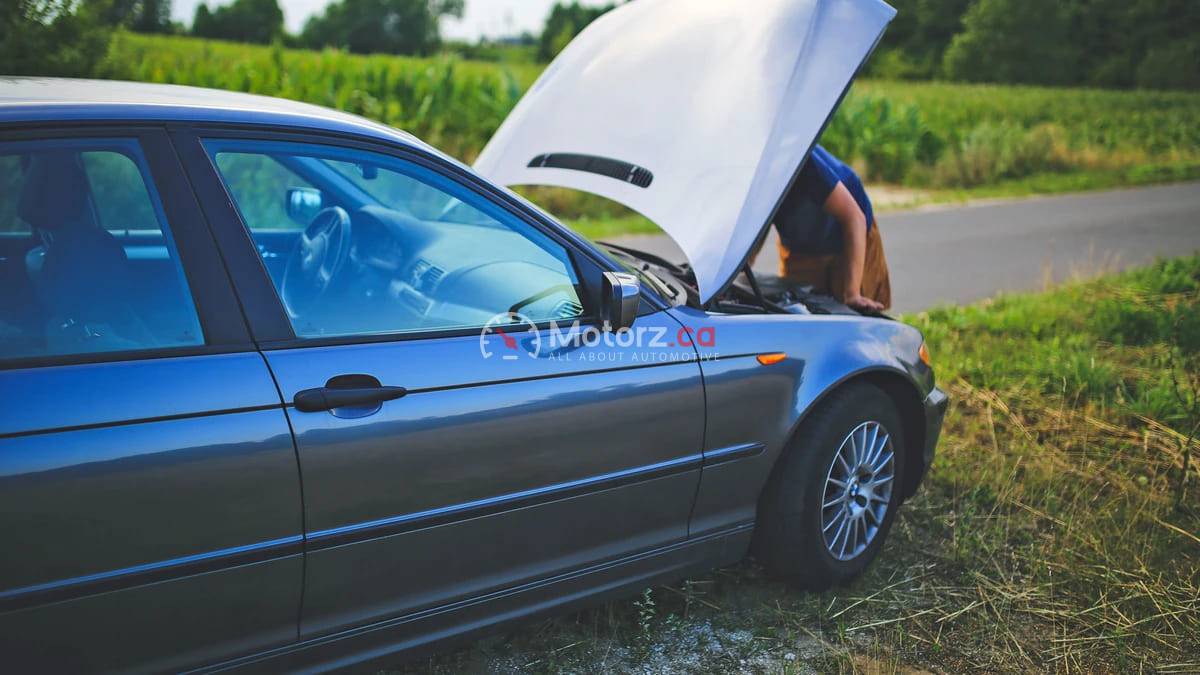

Sending a Empowering the Student Driver to college or their first job is a major milestone, but it often comes with a hidden side effect: automotive anxiety. For many young drivers, a car is simply a “magic box” that moves when you press the pedal. But when that magic stops—whether it’s a flashing dashboard light or a flat tire on a dark shoulder—the situation can quickly turn from a minor inconvenience into a safety crisis.
In 2026, vehicles are more technologically advanced than ever, but the fundamentals of ownership remain the same. As a parent or mentor, you don’t need to turn your student into a master mechanic. Instead, you need to provide them with the “Troubleshooter’s Toolkit”—a set of five core skills that build confidence, ensure safety, and prevent thousand-unit repair bills.
Here is the ultimate guide to the five things every student should know about their vehicle before they hit the road.
Decoding the Dashboard: Empowering the Student Driver
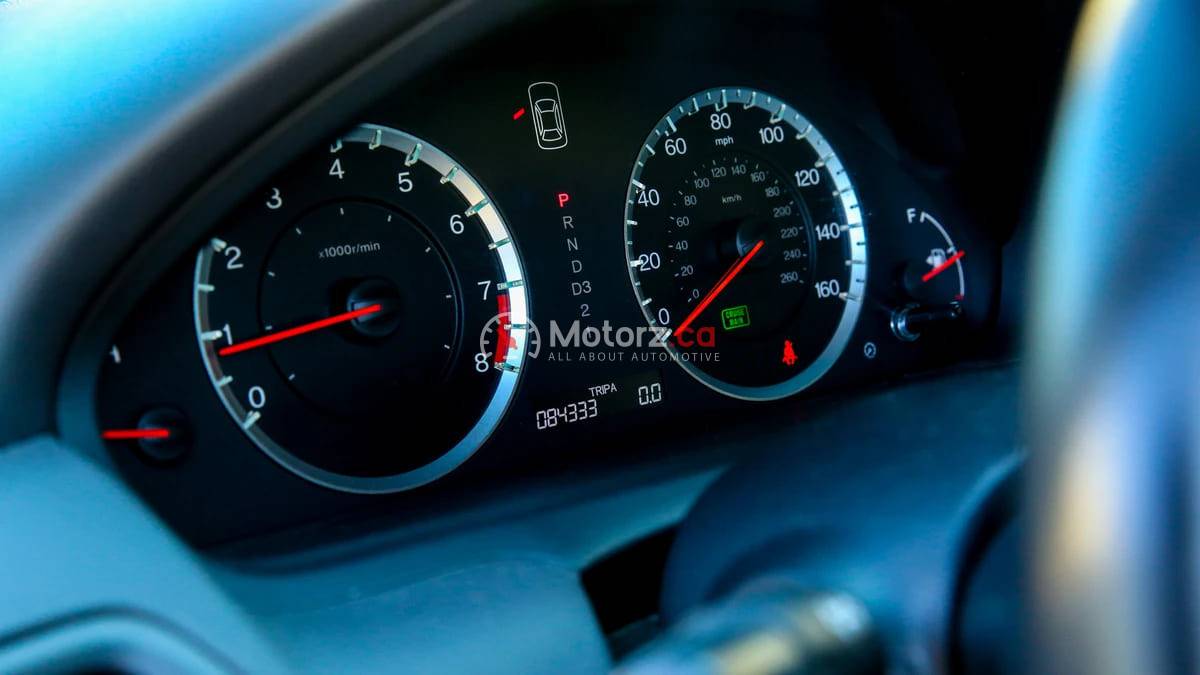
Modern dashboards are filled with icons, but students often treat them like “suggestions” rather than warnings. Understanding the color-coded system of a car’s computer is the first line of defense.
The Traffic Light Rule
Green/Blue: These are informational (e.g., your high beams are on or the engine is warming up). No action is needed.
Yellow/Orange: This is a “caution” light. It means a system like the engine (Check Engine Light) or tires (TPMS) needs attention soon. The car is still drivable, but it should be checked within the week.
Red: This is an emergency. If a red light—like the Oil Pressure or Temperature light—appears, the student must pull over and shut off the engine immediately. Continuing to drive with a red warning light can destroy an engine in minutes.
The Loose Gas Cap Trick
Teach your student that a “Check Engine” light is often caused by a loose gas cap. If the light pops up shortly after refueling, have them pull over, tighten the cap until it clicks, and drive for a few miles to see if the light resets. This simple tip can save a costly trip to the mechanic.
Tire Health: More Than Just the Penny Test
Tires are the only part of the vehicle that actually touches the road, yet they are the most neglected. A student should know how to monitor “The Four Donuts” for safety and fuel efficiency.
Checking Pressure (PSI)
Temperature drops (common in winter semesters) cause tire pressure to plummet. Teach them how to find the tire placard—usually located on the driver’s side doorjamb—which lists the correct PSI. Using a digital gauge to check pressure once a month is a habit that prevents blowouts and saves on gas.
Spotting “The Bulge”
Beyond tread depth, students should look for sidewall damage. If they hit a pothole on campus, they need to check for a “bubble” or “bulge” on the side of the tire. This indicates internal structural failure and means the tire could burst at highway speeds.
The Fluids of Life: Keeping the “Vital Organs” Running
If the engine is the heart of the car, the fluids are its blood. A student doesn’t need to know how to change their oil, but they must know how to check it.
The Dipstick Audit
Show them how to locate the oil dipstick (usually a bright yellow or orange handle).
Park on level ground.
Pull the stick, wipe it clean, reinsert it, and pull again.
If the oil is below the “minimum” line, they need to add a quart of the weight specified in their Owner’s Manual.
The “Visible” Fluids
Ensure they know where the windshield washer fluid reservoir is. It’s the only fluid they should feel comfortable refilling regularly. Driving with a salt-covered or buggy windshield is a major visibility hazard that is easily fixed with a five-unit jug of fluid from a gas station.
Roadside Self-Sufficiency: Jump-Starts and Flats
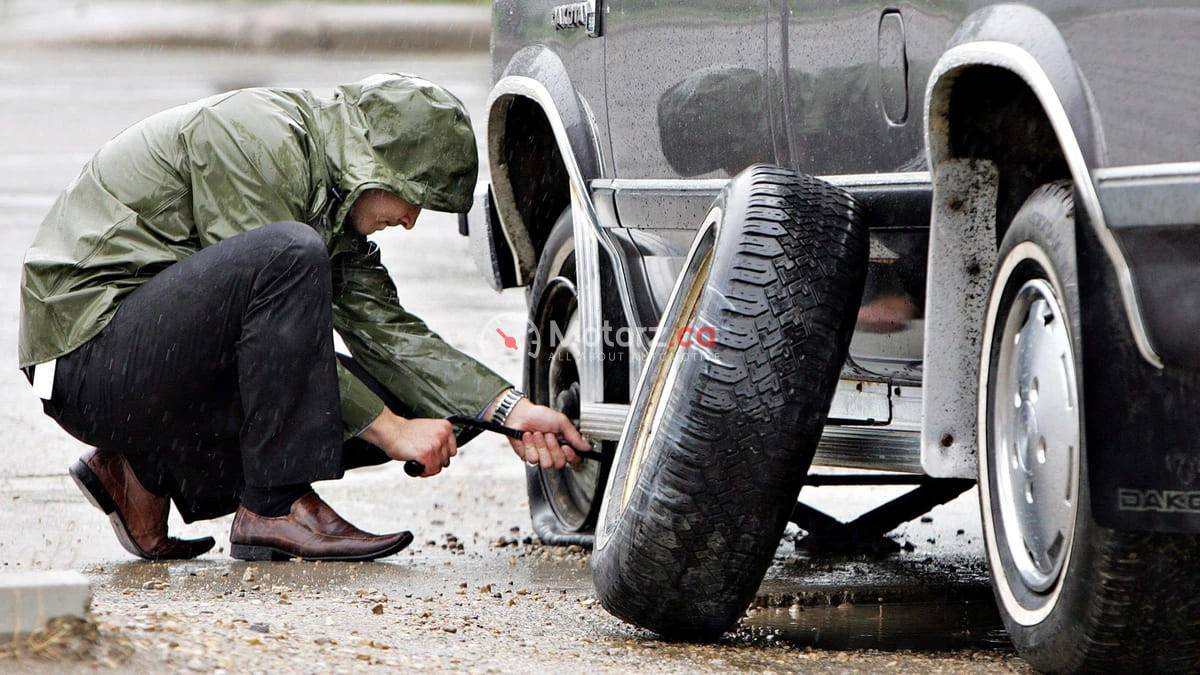
In the “good old days,” changing a tire was a rite of passage. In 2026, many new cars don’t even come with a spare—they have “inflator kits.”
The “Dead Battery” Protocol
Every student’s trunk should contain a portable Jump Starter Power Bank. These modern devices are safer and easier than traditional jumper cables because they don’t require another car. If the car won’t start, they simply clip the box to the battery, turn it on, and fire up the engine.
Knowing the “Safety Spot”
Teach them that if they get a flat tire on a busy highway, they should not stop on the shoulder if a parking lot is within a mile. It is better to “ruin” a metal rim by driving slowly to a well-lit gas station than to risk being hit by traffic while trying to use a jack on the side of a freeway.
The Emergency “Trunk Kit”: 24-Hour Survival
If a student gets stranded—whether due to a blizzard, a breakdown, or an empty tank—the contents of their trunk determine their comfort and safety.
The Student Essentials
Physical Map: GPS fails in remote areas or when phone batteries die.
Extra Long Phone Cable & Power Bank: Communication is their most important tool.
Warmth: A heavy blanket and a pair of gloves (even in summer, nights get cold).
Reflective Triangles: To make the vehicle visible to other drivers at night.
Non-Perishables: A few protein bars and a liter of water can prevent a “hangry” panic during a three-hour wait for a tow truck.
Confidence Through Knowledge
The goal of teaching these five skills isn’t to make your student a mechanic; it’s to make them an informed owner. When a student knows how to check their oil, monitor their tires, and respect their dashboard, they transition from a passive passenger to a confident driver. This knowledge doesn’t just save money—it provides the peace of mind that allows them to focus on their studies instead of their car.