

The charming city of Kingston, Ontario, offers beautiful waterfront views and a rich history, but like any growing city, its traffic can sometimes be a frustrating reality for commuters. That stop-and-go driving, especially around rush hour on routes like Princess Street or Bath Road, is not only time-consuming but a serious drain on your wallet at the gas pump. Every time you accelerate aggressively only to slam on the brakes, your vehicle is consuming extra fuel.
The good news is that significantly improving your Car’s Fuel Efficiency in Kingston traffic is entirely within your control. By combining smarter driving habits with simple, routine vehicle maintenance, you can reduce your fuel consumption by as much as 10% to 25%.
Ready to spend less on gas and more on, well, anything else? Here are the 7 simple, actionable tips you can start using today to master eco-driving in Kingston and watch your fuel gauge drop slower.
Master the Art of Smooth Car’s Fuel Efficiency
The City Driving Challenge
The single biggest enemy to good gas mileage in city driving is aggressive acceleration followed by hard braking. This stop-start cycle forces your engine to gulp down Car’s Fuel Efficiency every time it has to overcome your car’s inertia from a standstill. In Kingston, where traffic lights and intersections are frequent, this habit can drastically cut your fuel economy. Studies show that aggressive driving can increase fuel consumption by a staggering 15% to 30%.
The Fuel-Efficient Solution
The most effective thing you can do to save gas is to drive smoothly, a technique often called “eco-driving.”
Gentle Start: When the light turns green, ease onto the accelerator pedal gently. Imagine you have a full, open cup of coffee resting on your dashboard—don’t spill it! Aim to take about five seconds to accelerate to 20 km/h from a Car’s Fuel Efficiency. This smooth input is much more efficient than quickly ‘gunning it.’
Anticipate Traffic: Look far ahead down the road—not just at the bumper in front of you. If you see a red light, a slow-moving truck, or a queue of cars, ease off the accelerator early. This allows your vehicle to coast to decelerate, preserving its momentum and avoiding a wasteful full stop.
Maintain a Steady Pace: Avoid speed “dipping and bursting.” Constant minor adjustments in speed waste fuel. Once you are moving, try to keep your speed as steady as traffic allows. This is the core of fuel-efficient driving techniques for any urban setting.
Embrace the ‘Zero-Idle’ Rule in King’s Town
Why Idling Kills Fuel Economy
Kingston’s city centre, particularly around the downtown core, often involves waits at lengthy traffic signals or sitting in a line of cars. While it might feel negligible, an idling engine is burning fuel for zero kilometers traveled. Most modern Car’s Fuel Efficiency are more fuel-efficient when you turn the engine off and restart it than when you let it idle for extended periods.
When to Turn Off Your Engine
The consensus among automotive experts is clear: if you anticipate being stopped for more than 60 seconds (one minute), it is more fuel-efficient to turn your engine off.
Traffic Lights: If you’re stuck at a long red light, especially one you know from experience lasts a while, switch off the ignition.
Waiting for Passengers: If you are waiting for a friend or family member at a location like the Cataraqui Centre or the ferry dock, turn the engine off instead of letting it run.
Modern Stop/Start Technology: If your Car’s Fuel Efficiency is equipped with an automatic stop/start system, ensure it is engaged. This system is specifically designed to handle city conditions by intelligently switching off and restarting the engine for you.
A quick note on cold starts in the Ontario winter: Modern fuel-injected engines only need about 30 seconds of idling before driving to properly circulate the oil. Prolonged idling to “warm up” your car is simply a waste of fuel. Car’s Fuel Efficiency gently until the engine reaches its operating temperature.
The Crucial Role of Correct Tire Pressure
The Under-Inflation Penalty
This is one of the easiest and most overlooked steps to boost car maintenance for better gas mileage. Under-inflated tires increase rolling resistance—the effort your engine must exert to move the tire down the road. This extra work directly translates into increased fuel consumption.
The Numbers: An under-inflated tire (even by as little as 8 PSI) can increase your car’s fuel consumption by about 4%. Over the course of a year, that small change adds up to a significant amount of wasted gas and money for Kingston drivers.
Your PSI Guide
Forget the number printed on the tire’s sidewall; that is the maximum pressure. The correct, optimal tire pressure for fuel efficiency is found on the sticker located inside your driver’s side door jamb or in your owner’s manual.
Check Monthly: Tire pressure drops with temperature. In Ontario’s cold seasons, this is a frequent issue. Check your tires at least once a month, when the tires are cold (before driving or after only a short distance).
Alignment Matters: While checking pressure, also consider your wheel alignment. Misaligned wheels drag and pull, increasing rolling resistance and wearing out your tires unevenly. An alignment check at a Kingston auto service centre can ensure your Car’s Fuel Efficiency is rolling as efficiently as possible.
Shed the Extra Weight (Unnecessary Cargo)
The Heavy Burden of Extra Load
Your vehicle’s engine has to work harder to move more weight. It’s a simple physics equation, and in a city environment where you are frequently stopping and starting, that extra weight penalty is amplified.
The Rule of Thumb: For every 50 kilograms (approximately 110 pounds) of extra, unnecessary weight you carry, your fuel efficiency can decrease by about 1% to 2%.
Lighten Your Load Today
Take a look in your trunk, back seat, and cargo area. Are you carrying around items that you rarely use?
Remove Clutter: Unload old sports gear, heavy tools (unless essential), excess winter supplies, or anything else you’ve forgotten about.
Remove Exterior Racks: If you have a roof rack, ski box, or bike carrier, remove it when it’s not in use. These items create significant aerodynamic drag, which increases your fuel consumption dramatically, especially at higher city speeds or on the 401 when leaving Kingston.
Smart Route Planning: Avoid Kingston’s Worst Congestion
Why Route Choice is Crucial
More distance doesn’t always mean more fuel consumed. A slightly longer route on clear roads can often be more fuel-efficient than a shorter route choked with stop-and-go congestion. Every unnecessary stop burns gas.
Technology is Your Co-Pilot
Use your navigation app (Google Maps, Waze, etc.) to your advantage to improve your gas mileage for your Kingston commute.
Real-Time Traffic: Use apps that offer real-time traffic updates. If an accident or heavy congestion is causing major slowdowns on your Car’s Fuel Efficiency route (e.g., Highway 2 or Division Street), select an alternative to keep your momentum going.
Combine Errands: Try to combine multiple short trips into one longer trip. Engines use the most fuel when they are cold, meaning a series of short trips with cold starts is much less efficient than one longer, combined trip.
Maintain Your Vehicle for Peak Fuel Economy
The Engine Efficiency Link
Neglecting routine maintenance is a silent killer of fuel economy. A well-maintained engine is a happy, efficient engine. Dirty, worn, or clogged components force your engine to work harder, directly increasing the amount of fuel it burns.
Air Filters: A clogged air filter restricts airflow to the Car’s Fuel Efficiency. Your engine needs the right air-to-fuel ratio to perform efficiently. A dirty filter can reduce your miles per gallon by up to 10% in the worst cases. Replace it regularly!
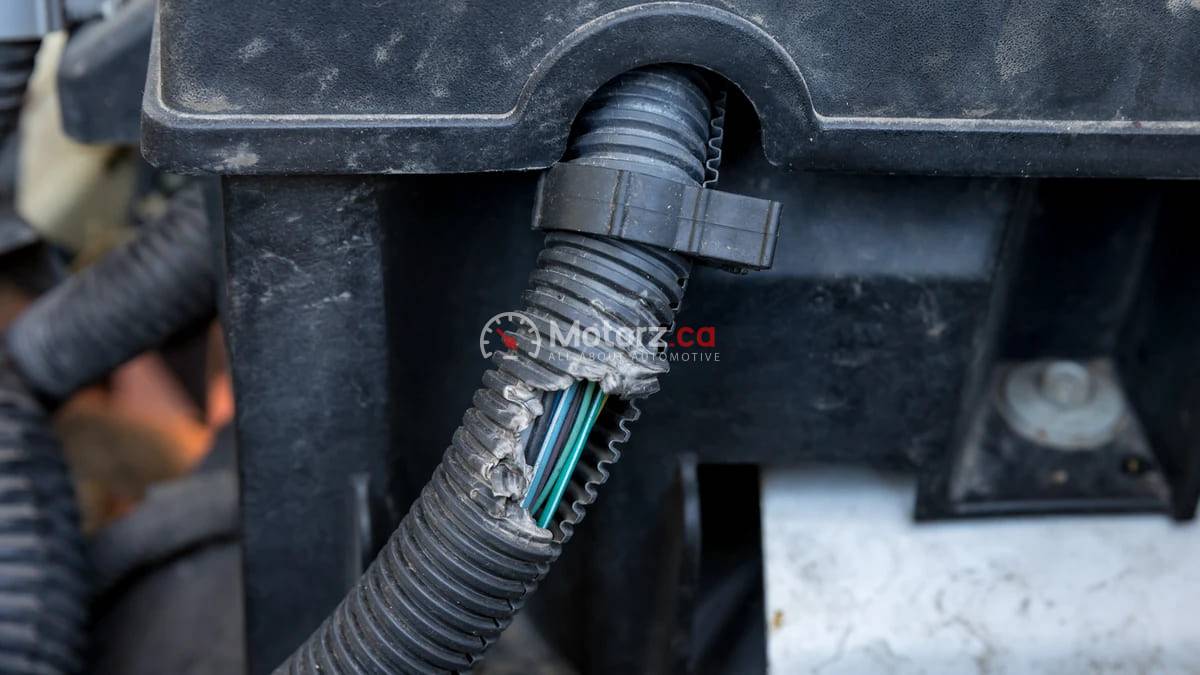
Spark Plugs and Oxygen Sensors: Faulty spark plugs lead to incomplete combustion, wasting fuel. Similarly, a failing oxygen sensor will feed incorrect information to your car’s computer, potentially telling it to dump more fuel into the engine than necessary. This can reduce efficiency by up to 20%.
Oil Grade: Always use the motor oil viscosity recommended by your car manufacturer. Using the wrong oil increases friction within the engine, making it work harder and consume more fuel.
Seeking a Kingston auto service professional for regular tune-ups and diagnostic checks is a preventative measure that pays for itself in fuel savings and prevents more expensive, complicated repairs down the road.
Use Air Conditioning and Cabin Features Wisely
The AC Power Drain
Your car’s air conditioning system is essentially a mini-refrigerator. Running it puts an extra load on your engine, Car’s Fuel Efficiency it to burn more fuel to generate the necessary power.
City vs. Highway AC Use: In Kingston city traffic, where you’re moving slowly, using the AC has a much more noticeable negative impact on fuel efficiency. The general rule is:
In the City (low speeds): Roll down the windows for fresh air. The aerodynamic drag from open windows at low speeds is negligible.
On the Highway (high speeds): Use the AC. The drag created by open windows at high speeds is worse for fuel economy than running the AC.
Other Electrical Features
Be mindful of other high-draw Car’s Fuel Efficiency accessories, as they also place a load on your engine via the alternator.
Defrosters and Seat Heaters: Use rear window defrosters and seat/mirror heaters only as long as necessary. Once the ice is gone, turn them off. They use a significant amount of power.
Limit Use of Unnecessary Electronics: While the impact of charging your phone is minor, constantly running powerful inverters or extra lighting can add up.