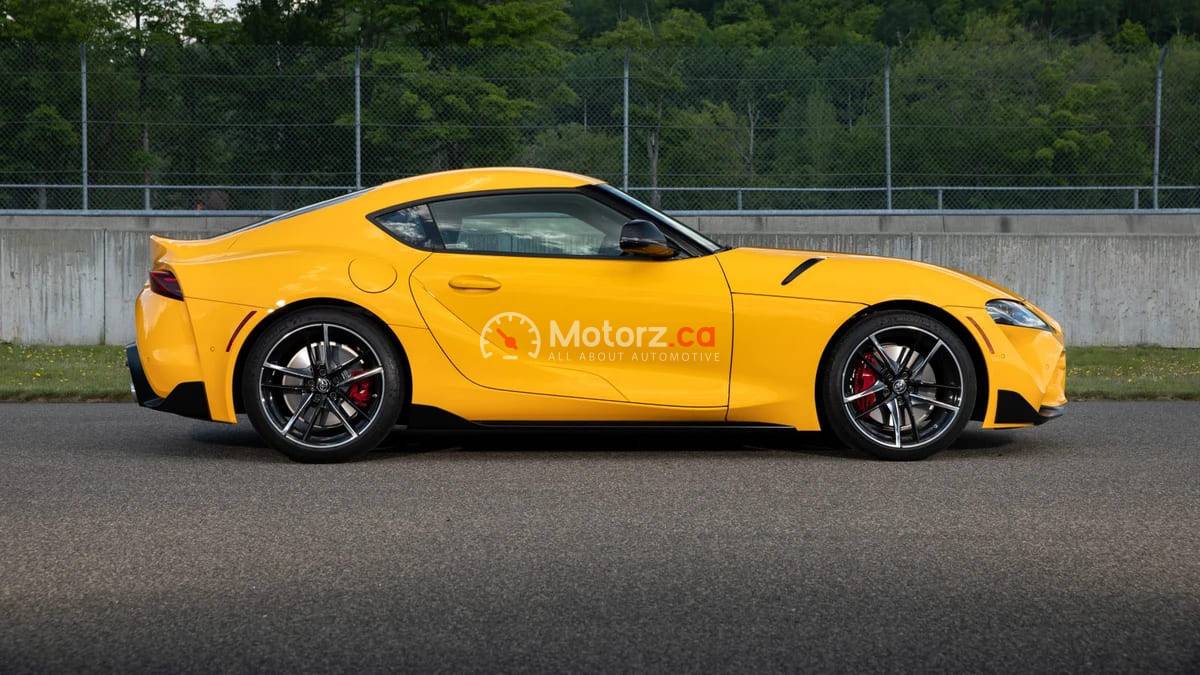
You shift into reverse, glance at your infotainment Toyota Supra Models, and… nothing. In an era where we have become increasingly dependent on high-definition parking sensors and 360-degree cameras, a blank screen isn’t just an inconvenience—it is a significant safety hazard.
This scenario is becoming a reality for over 250,000 drivers as a massive recall sweeps through the luxury and sports car segments. Impacting a diverse lineup that includes the precision-engineered BMW fleet, the ultra-luxury Rolls-Royce stable, and the iconic Toyota GR Supra, this safety campaign highlights the complex software dependencies of modern 2026 vehicles.
In this edition of “The Corner Wrench,” we are dissecting the details of this widespread backup camera failure. Whether you are piloting a track-ready Supra or a chauffeur-driven Cullinan, understanding how this software glitch affects your safety and how to get it fixed for free is vital.
The Toyota Supra Models: Why the Cameras Are Going Dark
Modern vehicles are essentially “computers on wheels,” and like any computer, they are susceptible to software bugs. The core of this 250,000-vehicle recall is a failure to comply with Federal Motor Vehicle Safety Standard No. 111, which governs rear visibility.
The “Brief Freeze” and Blank Screens
The issue stems from a programming error in the parking assistance software. According to safety reports, a brief drop in electrical power—specifically during certain engine restart conditions—can interrupt the camera system before it fully loads. This results in the screen remaining blank or, in some cases, freezing for several seconds while the vehicle is in motion.
Why Software-Driven Safety is Tricky
Unlike a broken light bulb, a software-based camera failure is intermittent. You might back out of your driveway ten times without a problem, only for the screen to fail on the eleventh. For vehicles like the Rolls-Royce Cullinan or the BMW X7, which have significant blind spots due to their size, this lack of visibility dramatically increases the risk of a “backing event” involving pedestrians or property.
Affected Models: From Luxury Sedans to Purebred Sports Cars
Because BMW provides much of the architecture for the current Toyota Supra and oversees Rolls-Royce production, a single software flaw can ripple across three very different brands.
BMW’s Extensive List
The bulk of the recall affects BMW’s core lineup. If you drive one of the following models from the 2022–2026 production window, your vehicle may be involved:
The Toyota GR Supra Connection
Since the GR Supra shares its “brain” with the BMW Z4, it is swept up in the same campaign. Approximately 257,000 vehicles globally (across the BMW/Toyota partnership) are being monitored for this specific display issue.
The Rolls-Royce Standard
Even the world’s most expensive motor cars aren’t immune. Owners of the Rolls-Royce Phantom, Ghost, and Cullinan (up to the 2026 model year) should check their status, as the bespoke infotainment interfaces rely on the same underlying code that is currently under scrutiny.
How to Check if Your Vehicle is Part of the Recall
As we move through April 2026, notification letters are being prepared for mailing. However, you don’t have to wait for the mailman to take action.
The VIN Lookup: The most effective tool is your 17-digit Vehicle Identification Number (VIN). You can find this on your dashboard (driver’s side, visible through the windshield) or on your insurance documents.
- Manufacturer Apps: If you use the My BMW or Toyota App, you may receive a push notification if an active safety campaign is tied to your account.
The “Corner Wrench” Remedy: What Happens at the Dealer?
The good news for owners is that the fix for this backup camera issue is relatively straightforward and entirely free.
The Software “Reflash”
In most cases, no physical parts need to be replaced. A technician will connect your vehicle to a diagnostic computer and perform a software update (reflash) that optimizes the “boot-up” sequence for the camera module. This ensures the image displays within the federally mandated two-second window, even during cold starts or power fluctuations.
Potential Camera Replacement
In a smaller percentage of 2025–2026 Lexus and Toyota models affected by a similar “Rearview Epidemic,” engineers found that some camera hardware was also faulty. If your software update doesn’t solve the flickering or blackouts, your dealer is authorized to replace the entire camera module at no cost.
Staying Safe Until the Fix is Applied
Because notification letters are scheduled for May 2026, many drivers will continue using their vehicles for several weeks without a fix. Use these proactive tips to mitigate the risk:
The “Start-and-Wait” Rule: If you have experienced a blank screen, try waiting 10 to 15 seconds after starting your engine before shifting into reverse. This gives the infotainment system extra time to finish its internal checks.
Manual Mirror Check: It sounds basic, but don’t rely solely on the screen. Adjust your side mirrors so you can see your rear tires and the ground behind you.
Clean Your Lenses: Sometimes a “camera failure” is actually just a lens caked in salt or road grime. Give the lens a quick wipe with a soft cloth before you head out.
A High-Tech Wake-Up Call
The backup camera recall affecting BMW, Rolls-Royce, and the Toyota Supra is a stark reminder that even the most prestigious brands can fall victim to software glitches. With 250,000 vehicles on the list, this is one of the larger visibility-related campaigns of the 2026 season.
Take five minutes today to run your VIN. A quick software update is a small price to pay for the peace of mind that comes with a clear view of the world behind your bumper.