As the Vehicle Prep and Road Readiness, so do the demands placed on your vehicle. We have all felt that first crisp morning air or the sudden arrival of a humid heatwave and realized our cars aren’t quite ready for the change. Whether you are transitioning from the salt-caked slush of winter to the unpredictable rains of spring, or preparing your cooling system for a cross-country summer haul, seasonal readiness is the backbone of automotive longevity.
In the world of “The Corner Wrench,” we don’t just see cars as machines; we see them as the lifelines that get you to work, soccer practice, and weekend getaways. In 2026, with the average age of vehicles on Canadian roads hitting record highs, staying ahead of the maintenance curve is no longer a suggestion—it is a financial necessity. A little bit of foresight in May or October can be the difference between a smooth commute and a frustrating afternoon waiting for a tow truck.
At Motorz, we are dedicated to keeping you and your family safe on the road. Today, Lorraine Explains how to perform a comprehensive seasonal audit, the specific components that suffer most during weather transitions, and the driving habits you need to adopt to stay safe regardless of what the forecast says.
The Vehicle Prep and Road Readiness: Undoing the Damage of Road Salt
For Canadian drivers, winter is an all-out assault on a car’s structural integrity. The road salt and liquid brine used in cities like Toronto, Ottawa, and Montreal are highly corrosive chemicals that eat away at everything they touch.
The Hidden Underbody Threat
Most people wash their cars in the spring, but they only focus on the shiny paint. The real danger is hiding underneath. Salt accumulates in the nooks and crannies of your suspension, brake lines, and fuel tank straps. If left unaddressed, this leads to “rust-out” failures that can compromise the safety of your vehicle.
The Fix: Use a high-pressure undercarriage wash. At “The Corner Wrench,” we recommend a professional oil-based rustproofing application once the chassis is clean and dry to create a barrier against future oxidation.
Brake System De-Icing
Winter driving often leads to “seized” brake calipers. The salt and grit get into the sliding pins that allow your brakes to apply and release smoothly. If your car feels like it is “pulling” to one side or if you smell a burning scent after a short drive, your brakes might be stuck. A seasonal brake service—cleaning and lubricating the moving parts—can extend the life of your pads and rotors by years.
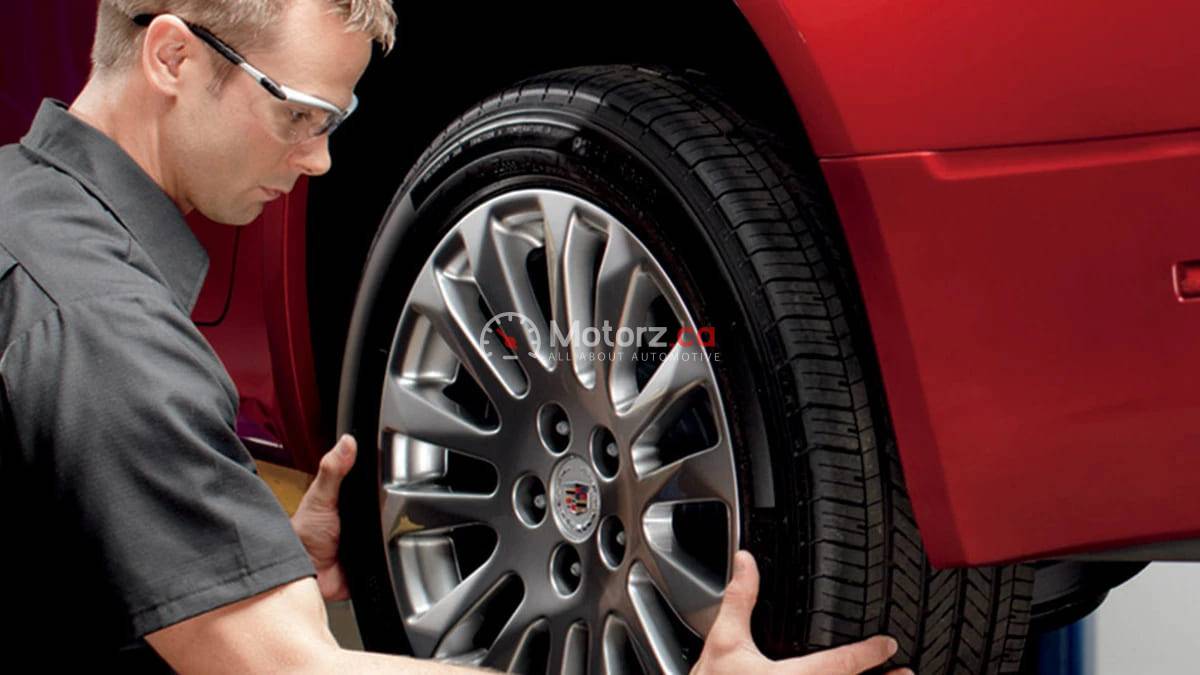
Tire Transitions: Beyond the Winter Swap
We often talk about the importance of winter tires, but the transition back to all-season or summer rubber is just as critical for safety.
The 7-Unit Rule
Winter tires are made of a soft rubber compound designed to stay flexible in freezing temperatures. Once the consistent daily temperature rises above 7 Celsius, that soft rubber begins to wear down rapidly. Driving winter tires in May or June significantly reduces your handling capabilities and increases your stopping distance on dry pavement.
Aligning for Success
The “pothole season” that follows a Canadian winter is legendary. Hitting just one deep crater can knock your wheel alignment out of true. If your steering wheel isn’t centered or if your car drifts to the side, your tires are being scrubbed away against the asphalt. A seasonal alignment check ensures you aren’t prematurely wasting the money you spent on a good set of tires.
The Visibility Audit: Seeing Through the Storm
Safety starts with what you can see. Seasonal transitions often bring heavy rains, fog, and the glare of a lower sun on the horizon.
Wiper Blade Fatigue
Winter is brutal on wiper blades. Ice buildup tears the delicate rubber edge, leading to streaks that can blind you during a midnight downpour. If your wipers are “chattering” or leaving lines of water behind, replace them immediately. In 2026, many modern cars use beam-style blades that provide better pressure against the glass at highway speeds.
Lighting and Lenses
Check all your external bulbs, including brake lights and turn signals. More importantly, look at your headlight lenses. If they look “foggy” or yellowed, the UV rays have oxidized the plastic. This significantly reduces the distance your light travels at night. A simple restoration kit can bring back the clarity and ensure you can spot a deer or a stalled car on the shoulder well in advance.
Under the Hood: Fluids and Filtration
Your engine’s needs change with the temperature. What worked in January might not be sufficient for a humid July.
The Cooling System Check
As the weather warms up, your cooling system has to work twice as hard. Check your coolant levels and look for signs of leaks around the water pump and radiator hoses. Remember, your AC system also relies on the engine’s cooling fans. If your car starts to run hot while sitting in traffic, you might have a failing fan motor or a clogged condenser.
Fresh Air for You and Your Car
Replace your engine air filter and your cabin air filter. A clogged engine filter makes your car work harder and burn more fuel. A clogged cabin filter restricts the airflow of your air conditioning, making it harder to de-fog the windows during a humid spring rainstorm.
Defensive Driving for the New Season
Safety isn’t just about the machine; it’s about the operator. Each season brings different hazards that require a shift in your driving style.
Handling “Black Ice” and Spring Floods
Spring is a deceptive season. You might have 10-unit weather during the day, but standing water can freeze into “black ice” as soon as the sun goes down. Furthermore, heavy spring rains can lead to hydroplaning. If you feel the steering go “light” while driving through a puddle, do not slam on the brakes. Ease off the gas, keep the wheel straight, and wait for the tires to regain contact with the road.
Sharing the Road with Vulnerable Users
As the weather improves, the roads become more crowded. Cyclists, motorcyclists, and pedestrians are out in full force. Always check your blind spots twice before turning, and remember that a motorcycle can be easily hidden behind your car’s window pillars.
Your Seasonal Safety Checklist
At Motorz, we want every season to be a season of safe driving. Use this checklist to ensure your vehicle is ready for the road ahead:
Undercarriage Wash: Remove the corrosive salt from the chassis and brake lines.
Tire Inspection: Swap to summer/all-season rubber and check for alignment issues.
Fluid Top-Up: Ensure your coolant is fresh and your washer fluid is rated for bugs, not ice.
Wiper Replacement: Get rid of torn winter blades for smooth, streak-free vision.
Battery Test: Ensure the winter cold hasn’t left your battery on its last legs.
Cabin Filter: Breathe clean air and keep your AC running efficiently.
A few hours of maintenance at “The Corner Wrench” today can save you days of headache tomorrow. Take care of your vehicle, and it will take care of you through every twist and turn the Canadian landscape has to offer.