We have all been there. You are Safety Hazard down a two-lane highway at night, minding your own business, when a late-model SUV rounds the corner. Suddenly, your world is replaced by a wall of piercing, blue-white light. You squint, flip your rearview mirror, and pray you stay between the lines. For a few seconds, you are driving blind.
In the automotive world of 2026, “headlight glare” has moved past being a simple nuisance. It has become a top-tier safety concern for organizations like the National Highway Traffic Safety Administration (NHTSA) and the Insurance Institute for Highway Safety (IIHS). While newer Light Emitting Diode (LED) technology allows drivers to see further than ever, it is also creates a “blinding” effect for everyone else on the road.
In this deep dive, we explore why headlights have become so much brighter, the physical toll they take on other drivers, and what you can do to protect your vision while navigating the nocturnal “lumen arms race.”
The Technology Shift: From Halogen to High-Intensity LEDs
To understand why headlights feel so much more aggressive Safety Hazard, we have to look at the transition from traditional bulbs to modern LED and Laser systems.
The Death of the Warm Glow
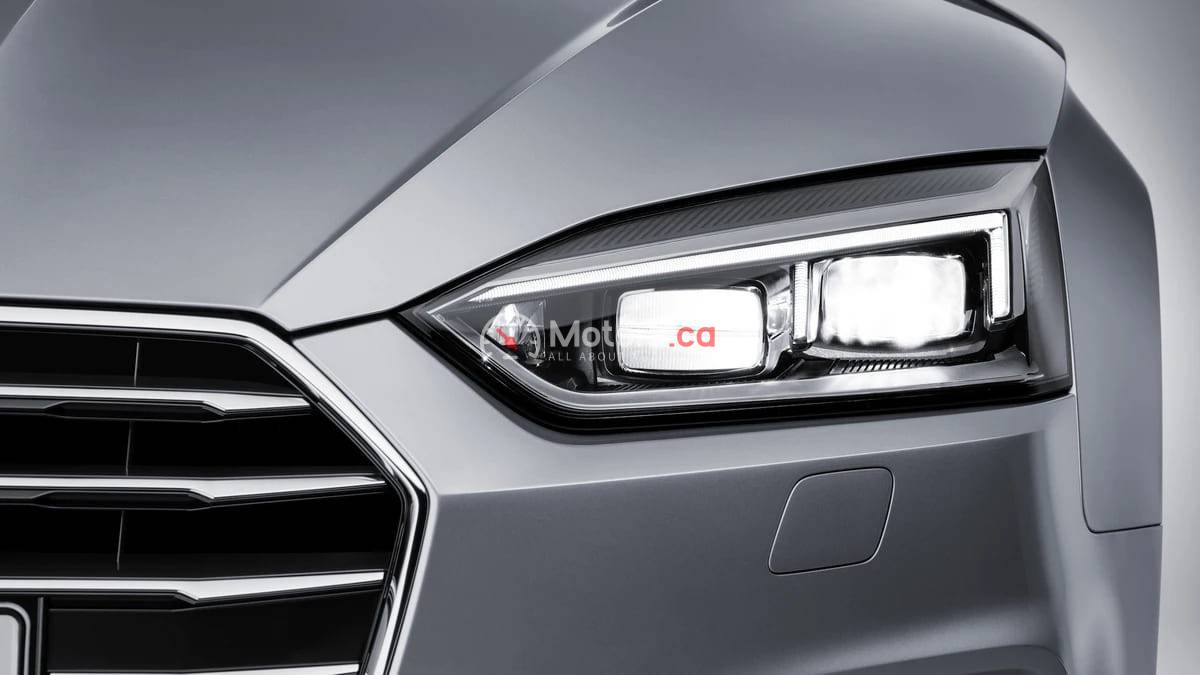
For decades, cars used halogen Safety Hazard. These produced a warm, yellowish light that was relatively easy on the human eye. However, they were inefficient and had a shorter lifespan. Today, nearly every new vehicle comes standard with LEDs. These produce a “cool” white light that mimics daylight. While this is great for the person behind the wheel, the blue-rich spectrum of LEDs is significantly more scattered by the human eye, leading to a much higher sensation of glare.
The Rise of the SUV and Pickup
It isn’t just the bulbs; it is the height. With SUVs and light trucks dominating the North American market in 2026, headlights are now mounted much higher off the ground. When a tall truck sits behind a low-slung sedan at a stoplight, those powerful LEDs are aimed directly into the driver’s side and rearview mirrors, creating a persistent, blinding reflection.
The Danger of “Flash Blindness” and Recovery Time
When you are hit by a blast of high-intensity light, your eyes undergo a physiological reaction called “flash blindness.”
Constricting Pupils
In total darkness, your pupils are wide open to let in as much light as possible. When a bright LED enters your field of vision, your pupils snap shut instantly. Once the source of the glare passes, it can take several seconds for your pupils to dilate again. During those seconds, you are essentially driving with “black holes” in your vision, unable to see pedestrians, cyclists, or debris on the road.
The Impact on Aging Drivers
This recovery time increases significantly with age. For drivers over 50, the “veiling glare” from oncoming LEDs can take up to twice as long to clear. In 2026, as the average age of drivers continues to rise, the “headlight problem” is becoming a primary factor in night-time accidents involving senior citizens.
Misalignment: The Hidden Culprit
Believe it or not, many “blinding” headlights aren’t actually on high-beam mode. They are simply misaligned from the factory or due to vehicle modifications.
Factory Errors and Weight
Many new vehicles leave the assembly line with headlights aimed slightly too high. Furthermore, when you load up the trunk or tow a trailer, the rear of the vehicle sags, causing the front—and the headlights—to tilt upward. To an oncoming driver, your low-beams now look and feel like high-beams.
The “Levelling” Problem
While many high-end vehicles in 2026 feature auto-levelling systems, most standard cars do not. If you have replaced your own bulbs or been in a minor fender-bender, your headlight aim could be off by just a few millimeters, which translates to several meters of “misplaced” light at a distance of 50 meters down the road.
Adaptive Driving Beam (ADB): The Solution We Are Waiting For
There is a light at the end of the tunnel, and it is called Adaptive Driving Beam (ADB) technology.
How ADB Works
Instead of a simple “high” or “low” setting, ADB uses a camera to detect oncoming cars or pedestrians. It then “carves out” a shadow around those objects while keeping the rest of the road illuminated with high-beam intensity. It is like having a spotlight that knows exactly where not to shine.
The Regulatory Hurdle
While ADB has been common in Europe for years, it was only recently approved for the North American market. As of 2026, we are finally seeing these systems move from luxury vehicles into mainstream models. Until ADB becomes the universal standard, however, the glare crisis will remain a reality for the majority of drivers.
Survival Tips: How to Drive Safely Against Bright Lights
If you find yourself constantly blinded by modern headlights, use these “Corner Wrench” strategies to stay safe:
Look to the Right: When an oncoming car has blinding lights, do not stare at them. Instead, shift your gaze to the white line on the right side of your lane (the “fog line”). This helps you stay in your lane while using your peripheral vision to monitor the oncoming vehicle.
Keep Your Glass Clean: Dust, film, and micro-scratches on the inside and outside of your windshield catch and scatter light, making glare much worse. A clean windshield is your first line of defense against veiling glare.
Avoid “Night Driving” Glasses: Many experts warn against yellow-tinted “night glasses.” While they reduce the blue light from LEDs, they also reduce the total amount of light reaching your eye, making it harder to see dimly lit objects like pedestrians.
Use the Auto-Dimming Mirror: If your car has a manual rearview mirror, make sure you use the “flip” tab at night. If you have an auto-dimming mirror, ensure it is turned on and not obstructed by items in the back seat.
A Call for Visual Manners
Bright headlights are a double-edged sword. They provide incredible visibility for the driver, but they can be a lethal weapon for the person in the opposite lane. As we wait for Adaptive Driving Beam technology to become the norm, the responsibility lies with us. Check your headlight alignment, be mindful of your high-beam usage, and remember that safety on the road is a shared experience.