



Congratulations on the New Car set of wheels! You’ve navigated the dealership paperwork, synchronized your smartphone to the dashboard, and enjoyed that unmistakable new-car smell. But as you drive off the lot, your focus shouldn’t just be on the next road trip—it should be on the longevity of the engine under the hood.
In the world of automotive maintenance, there is a “pro-move” that separates the casual drivers from the savvy owners: buying a six-pack of Original Equipment Manufacturer (OEM) oil filters immediately.
While it might seem strange to stock up on parts for a vehicle that has fewer than 100 kilometers on the odometer, this simple troubleshooter strategy is a masterclass in financial planning, warranty protection, and engine health. In 2026, as supply chains remain unpredictable and engine tolerances get tighter, having your maintenance supplies ready is more than a convenience—it’s an insurance policy.
Protecting the “Break-In” Period
Many modern manufacturers claim that new cars don’t require a traditional “break-in” period. However, mechanical reality often tells a different story.
The Microscopic Reality of New Engines
When an engine is brand new, the internal components—pistons, rings, and bearings—are seating themselves against one another for the first time. During the first few thousand kilometers, it is normal for microscopic metal shavings and casting sand to be “washed” away by the engine oil.
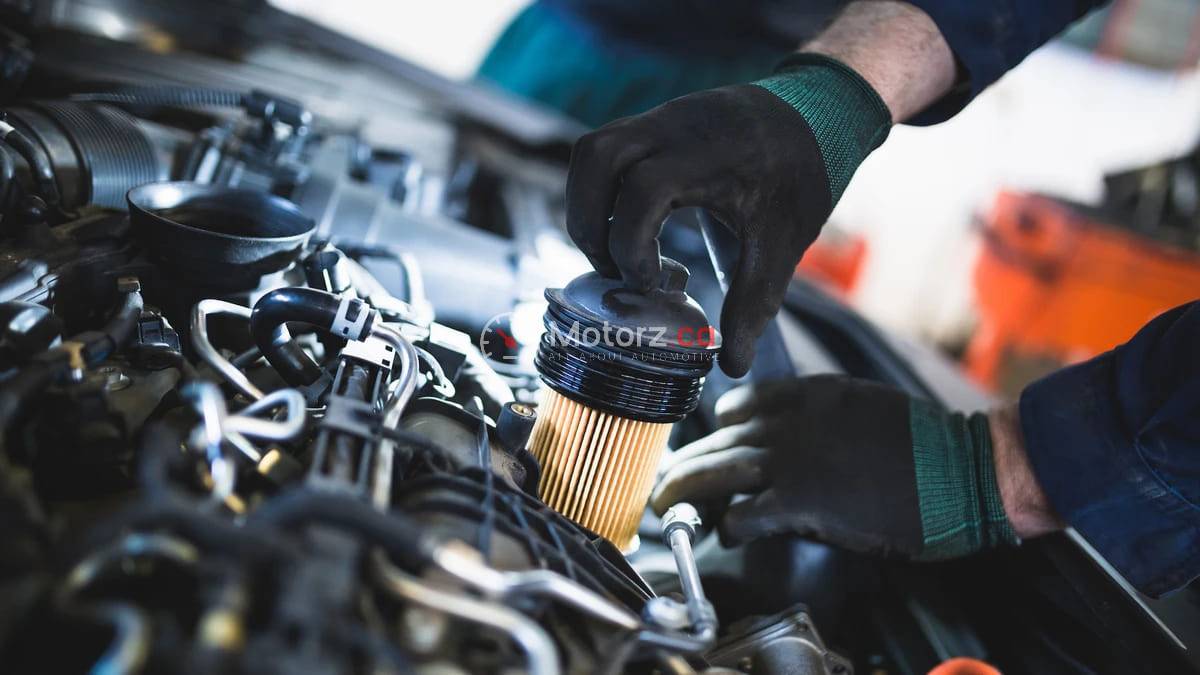
The Filter’s Job: The oil filter is the only thing standing between those abrasive particles and your delicate engine bearings.
The Early Change: Many enthusiasts recommend an “early” first oil change at 1,500 or 3,000 kilometers to flush out these break-in contaminants. Having a six-pack of filters in your garage means you can perform this critical maintenance the moment you feel it’s necessary, without waiting for a dealership appointment.
The Warranty Shield: Documentation is Everything
If you ever experience a major engine failure, the manufacturer’s first question will be: “Did you maintain the vehicle according to our standards?” If you cannot prove that you used the correct parts and fluids, your warranty claim could be in jeopardy.
The Advantage of OEM Filters
By purchasing a six-pack of filters directly from the dealership parts counter, you create a paper trail. Your receipt shows that you invested in the exact part specified by the engineers who built the car.
Bypass the “Generic” Trap: While many aftermarket filters are excellent, some “economy” brands use inferior filtration media or lack the critical “anti-drainback valve” required for your specific engine.
Proof of Purchase: Keeping a stack of OEM filters and the corresponding receipts acts as a “shield.” It proves you were proactive about maintenance, making it much harder for a manufacturer to deny a warranty claim.
Beating Inflation and Supply Chain Volatility
In 2026, we have learned that global supply chains can be fragile. A factory shutdown on the other side of the world can suddenly make a 15-unit oil filter impossible to find or double its price overnight.
Locking in Today’s Prices
The price of automotive parts rarely goes down. By buying a three-year supply of filters (a six-pack generally covers about 60,000 to 90,000 kilometers of driving), you are hedging against inflation.
Bulk Savings: Most dealership parts departments will offer a “bulk discount” if you ask. Buying six filters at once often brings the per-unit price down significantly compared to buying them one by one.
Guaranteed Availability: There is nothing more frustrating than being ready to change your oil on a Sunday afternoon only to find that every local store is “out of stock” for your specific model.
Convenience for the DIYer and the Shop Goer
Whether you change your own oil or take your car to a local independent shop, having your own filters is a major advantage.
For the DIY Enthusiast
Having a “maintenance shelf” in your garage turns a chore into a quick task. You won’t have to waste an hour driving to the store and back every time your maintenance light pops up. You have the oil, you have the filter, and you have the crush washer ready to go.
For the Independent Shop User
If you prefer a local mechanic over the dealership, you can bring your own OEM filter. Most shops are happy to use the parts you provide. This ensures that even though you are paying lower labor rates at an independent garage, your car is still getting the high-quality factory filtration it deserves.
A Small Investment for Major Peace of Mind
An oil filter is the most underrated component in your vehicle. It is the silent guardian that keeps your engine’s “blood” clean and your moving parts lubricated. Spending 80 to 100 units on a six-pack of filters today is a small price to pay to protect a 40,000-unit investment.
By stocking up early, you are telling the world (and your car) that you are a proactive owner. You are ready for the break-in period, you are protected against warranty disputes, and you are prepared for whatever the supply chain throws your way. So, the next time you visit the dealership, don’t just stop at the showroom—head over to the parts counter and grab that six-pack. Your engine will thank you.