




The Big Shift: Canada’s Automotive Landscape Undergoes a Policy and Market Shock
The Top Canadian Car Stories sector is experiencing a tumultuous period, defined by a cooling electric vehicle (EV) market, ongoing dealer transparency issues, and significant policy reversals at the provincial level. This past week delivered a powerful snapshot of this complex environment, highlighting the tension between ambitious climate targets and the economic realities faced by consumers and dealerships.
From British Columbia’s major policy retreat on its aggressive EV mandates to critical developments concerning Hyundai dealer compliance and the overall market pulse captured by industry publications, these stories define the current narrative for Canadian drivers, manufacturers, and retailers. Understanding these shifts is essential for anyone tracking the future of the car business north of the 49th parallel.
The EV Policy Reversal: British Columbia Scraps Aggressive Mandates
The most significant news this week came from the West Coast, where British Columbia—long a leader in Canadian EV adoption—announced a major course correction to its Zero-Emission Vehicle (ZEV) mandates.
Why BC Abandoned the 100% Target
British Columbia’s previous mandate, enshrined in its CleanBC program, required 100% of all new light-duty vehicle sales to be zero-emission by 2035, with an interim target of 90% by 2030. Energy Minister Adrian Dix confirmed the province would scrap this target and would instead revise its ZEV goals to align with those currently under review by the federal government.
Affordability and Infrastructure: The province cited affordability concerns for consumers, gaps in charging infrastructure, and the general leveling off of EV adoption as key reasons for the retreat. The goal of 100% ZEV sales by 2035 was deemed no longer “realistic.”
The Rebate Halt: Compounding the policy shift, BC also permanently ended its provincial EV rebate program (which had previously offered up to $4,000), shifting the responsibility for financial incentives entirely to the federal government. The provincial focus will now be on accelerating the build-out of public charging infrastructure, aiming for 10,000 public stations by 2030.
Market Impact: The New Car Dealers Association of BC welcomed the news, calling it a “helpful interim step” that offers short-term relief for dealers grappling with inventory and customer demand issues. This move is a clear indicator that provincial governments are highly sensitive to market feedback, particularly the current slow down in the mass adoption of electric vehicles due to high prices and charging anxiety.
The Domino Effect on Federal ZEV Rules
This provincial reversal is directly tied to the national climate policy conversation. The federal government, under Prime Minister Mark Carney, had already paused the 2026 rollout of its own national EV sales mandate (which mirrored BC’s 100% by 2035 goal) for a 60-day review.
BC’s decision to match the federal targets once they are announced will likely reduce regulatory complexity for automakers operating across the country but signals a broader acknowledgment that the initial, aggressive timeline was unrealistic for both consumers and manufacturers.
Dealer Compliance and Consumer Trust: The Hyundai Case
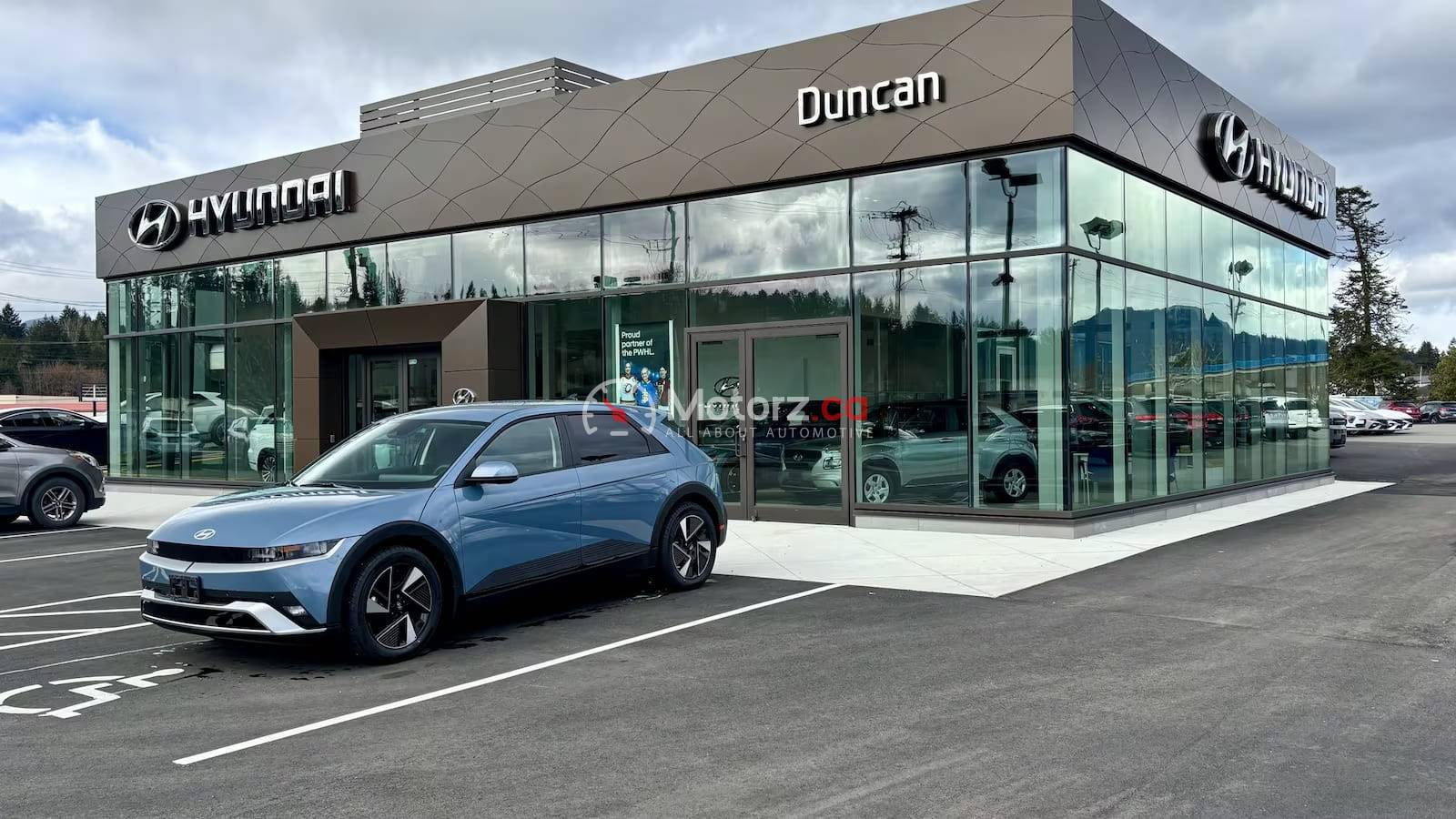
Consumer protection and pricing transparency remain a high-profile topic in the Canadian auto market, often highlighted by investigative reporting. The reference to the “Hyundai dealer cleared” story touches on the delicate balance between dealer autonomy and regulatory oversight.
The Hidden Fee Debate
While the specific details of the “cleared” case may vary, the recent legal and media focus on dealerships centers on the practice of adding mandatory, undisclosed, or inflated fees after the advertised price.
The Allegations: Investigative reports have recently highlighted instances where dealerships (including some Hyundai locations in Ontario) were found to be adding “mandatory” charges like theft deterrents or excessive dealer administration (admin) fees. These tactics force the final price above the advertised price, frustrating consumers and violating provincial consumer protection laws regarding all-in pricing.
Manufacturer Stance: Manufacturers like Hyundai Auto Canada typically respond by asserting that they expect their dealer networks to comply fully with all consumer protection and advertising laws. However, the legal relationship gives dealers a large degree of freedom, often resulting in manufacturers having limited direct control over final price tactics.
The ‘Cleared’ Significance: A dealer being “cleared” in a specific case is significant as it demonstrates that while consumer advocacy is high, the legal threshold for proving deceptive pricing can be difficult to meet. It often requires explicit evidence of misrepresentation or non-compliance with the specific wording of advertising laws. This legal clarity is crucial for the entire dealer network, setting precedents for acceptable practices around fees and pricing.
Protecting the Canadian Consumer
The ongoing scrutiny ensures that dealer practices, especially surrounding mandatory fees and the true final all-in pricing of vehicles, remain a key point of public and regulatory interest. Consumer groups continue to lobby provincial governments to strengthen “all-in” pricing laws to eliminate ambiguity and prevent bait-and-switch tactics.
Industry Insight: The Pulse from “Cars & Concepts”
The mention of “Cars & Concepts” (a representation of leading Canadian automotive publications like Driving.ca or Motor Illustrated) underscores the critical market forces shaping the industry’s direction. The news cycle highlights ongoing trends that affect consumer choices and manufacturer strategy.
The Mixed Reality of Electrification
Recent reporting from Canadian auto media reveals that the push for electrification is being met with genuine market resistance, especially around transition technologies.
PHEV Pollution Concerns: New studies, heavily reported in Canadian media, suggest that Plug-in Hybrid Electric Vehicles (PHEVs)—pitched as the perfect “transition” vehicle—are significantly less green in real-world driving than advertised. This is due to drivers using the gasoline engine more frequently than the electric motor, leading to carbon emissions nearly five times higher than official projections.
Market Strategy Impact: This data puts pressure on the federal government to redefine how PHEVs will count toward ZEV mandates during its current review. Automakers have relied heavily on PHEVs to bridge the gap; if their credit value is reduced, it forces a quicker, more expensive pivot back toward Battery Electric Vehicles (BEVs), or a greater reliance on traditional hybrids.
Vehicle Recalls and Reliability: Automotive journalism continues to track major safety concerns, including recent recalls affecting popular models in Canada, such as the Toyota Tundra (engine issues) and Honda Accord Hybrid (power loss due to software). These stories reinforce that reliability and quality control remain paramount issues for Canadian consumers, irrespective of powertrain.
Shifting Consumer Preferences and Vehicle Mix
The Canadian market is highly sensitive to product mix and pricing. The latest news emphasizes the ongoing popularity of utility vehicles and the slow acceptance of pure-EVs outside of early adopters.
SUV and Truck Dominance: News of updated models like the 2026 Honda Pilot and continued high interest in models like the Toyota RAV4 Hybrid and Hyundai Santa Fe show that the Canadian consumer’s preference for practical, all-weather SUVs and trucks remains the dominant market force.
Affordability vs. Innovation: Automotive news is increasingly covering the challenge of pricing, with many consumers prioritizing affordability over bleeding-edge technology. Manufacturers that can deliver reliable, well-equipped hybrid and combustion vehicles (like Toyota and Honda) continue to show strong performance, even as they invest heavily in future electrification.
Outlook: Navigating Uncertainty
The Canadian automotive industry is operating in a state of high flux, driven by regulatory uncertainty and economic caution.
Policy Alignment: The key going forward will be the final outcome of the federal ZEV mandate review. BC’s decision to align with Ottawa is a strong indication that any new national target will likely be more pragmatic and less aggressive than the initial 2035 target, likely focusing on incremental growth and supporting charging infrastructure over strict sales quotas.
Dealer Responsibility: The legal focus on pricing and fees reinforces the need for transparent sales practices across the country. Dealerships must adapt to a consumer base that is more informed and less tolerant of hidden costs.
Tech Pivot: The debate over PHEV utility suggests automakers will face pressure to optimize these “transition” models for genuine electric-first use or risk regulatory backlash. The success of Canada’s climate targets hinges on manufacturers and regulators finding a realistic middle ground that supports both the environment and the economy.
These developments—from policy setbacks to legal precedents—paint a clear picture: the Canadian automotive market is prioritizing stability and practicality as it cautiously navigates the challenging, yet inevitable, road toward electrification.