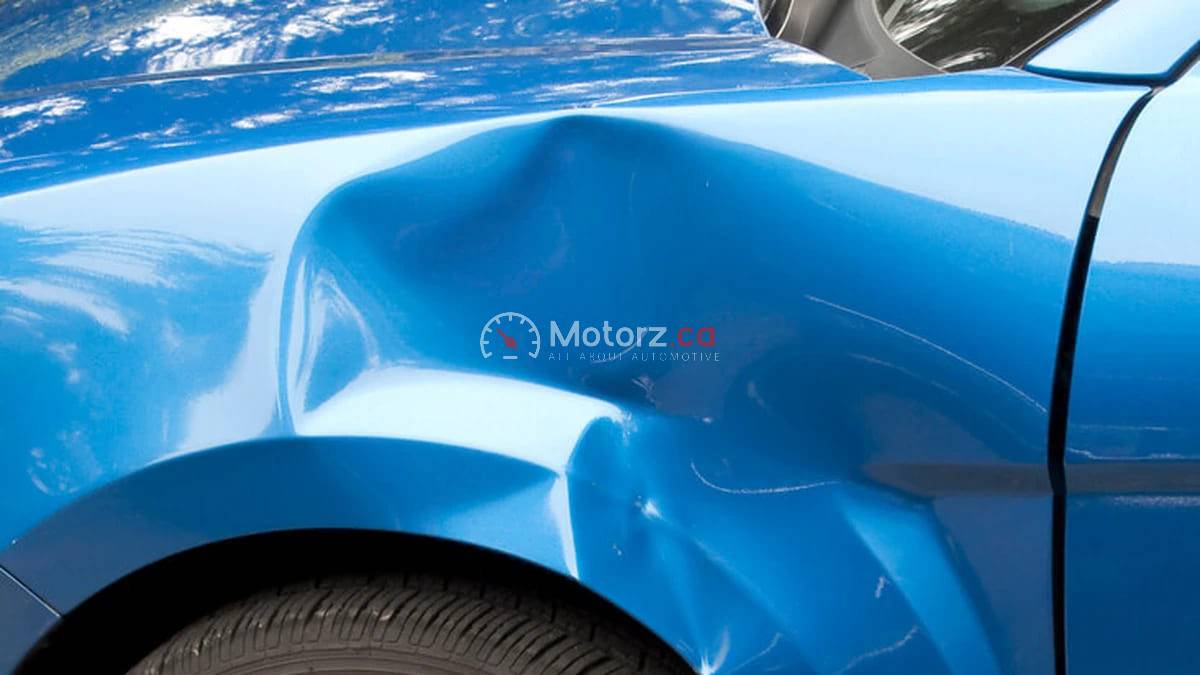

It is a nightmare scenario for any Car Was Damaged at the Shop owner. You drop your car off at the mechanic to fix a minor issue, but when you return to pick it up, you notice a fresh dent in the door, a cracked windshield, or worse—internal engine damage that wasn’t there before.
Immediately, your mind starts racing: “Who pays what when your vehicle is damaged at the mechanic?” Is the shop automatically responsible? Does your personal auto insurance cover it? What happens if the mechanic claims the damage “was already there”?
Navigating the liability of a garage repair gone wrong can be stressful and confrontational. However, understanding the legal concept of bailment, the types of shop insurance, and your rights as a consumer can turn a disaster into a resolved claim. In this guide, we will break down the steps you need to take to ensure you aren’t left holding the bill for someone else’s mistake.
The Car Was Damaged at the Shop: What Is Bailment?
When you hand your keys to a mechanic, you are entering into a legal relationship known as bailment. In simple terms, you (the bailor) are entrusting your property to another person (the bailee) for a specific purpose, such as a repair or an oil change.
Under the law of bailment, the mechanic has a “duty of care” to protect your vehicle from harm. If they fail to exercise reasonable care and the car is damaged while in their possession, they are generally held liable for the repairs.
The Burden of Proof
The tricky part is proving when the damage occurred. This is why many professional shops perform a “walk-around” inspection when you drop the car off. If you have a timestamped photo of your car in the shop’s parking lot without a dent, and a photo of it with a dent when you pick it up, your case is virtually airtight.
Common Scenarios: Who Is Liable?
Not every type of damage is treated the same way. Liability often depends on how the damage happened and where the vehicle was located.
Damage During a Test Drive
If a technician crashes your car during a diagnostic test drive, the shop’s Garage Keepers Insurance should cover the damages. Even if another driver hit the technician, the shop is responsible for returning your car to you in the condition it was received.
Physical Damage Inside the Shop
This includes cars falling off lifts, tools being dropped on hoods, or a technician backing one customer’s car into another. In these cases, the shop is almost 100 percent liable. A reputable shop will apologize and offer to fix the damage immediately at their expense.
Theft or Vandalism in the Lot
This is a grey area. Many shops have signs that say, “Not responsible for theft or damage to vehicles left on premises.” However, these signs are not always legally binding.
If the shop left your keys in the ignition or left the gates unlocked, they may be found negligent.
If a random act of nature (like a hailstorm) or a professional thief occurs despite the shop taking reasonable security measures, you may have to file a claim through your own comprehensive insurance.
Mechanical Failure After Repair
If your engine blows up two miles after an oil change, the mechanic is liable if it can be proven they made a mistake (like forgetting to tighten the drain plug). However, if an unrelated part fails while the car is in the shop, the mechanic is generally not responsible for that “coincidental” failure.
Step-by-Step Guide: What to Do if You Spot Damage
If you find damage when picking up your vehicle, do not drive away. Once you leave the premises, it becomes much harder to prove the shop was responsible.
Stop and Document: Immediately take clear photos and videos of the damage from multiple angles.
Alert the Manager: Ask to speak with the owner or the service manager right away. Stay calm but firm. Show them the damage and ask to see their check-in sheet or any security camera footage.
Get it in Writing: If the shop admits fault, get a written statement signed by the manager acknowledging that the damage occurred while the car was in their care.
Review the Work Order: Look at the fine print on the document you signed when you dropped the car off. Look for clauses regarding liability and insurance.
Contact Your Insurance: If the shop refuses to cooperate, contact your insurance agent. They may pay for the repair and then “subrogate” the claim—meaning they will go after the shop’s insurance company to get the money back.
Who Pays the Deductible?
One of the most frustrating aspects of this situation is the insurance deductible.
If the Shop Pays: If the mechanic’s insurance covers the claim, you should not have to pay a cent. The shop is responsible for any deductible on their own policy.
If You Pay: If you end up using your own insurance because the shop denies fault, you will likely have to pay your deductible out of pocket. You can then attempt to recover that cost through Small Claims Court if the amount justifies the effort.
Tips to Protect Yourself Before the Repair
Prevention is better than a legal battle. Follow these habits every time you visit a mechanic:
The 60-Second Walk-around: Take four quick photos of your car (one of each side) in the shop’s parking lot before you hand over the keys. This provides a clear “before” record.
Choose Reputable Shops: Look for shops that are ASE-certified and have positive reviews regarding their customer service and honesty.
Ask About Insurance: It is perfectly acceptable to ask, “Do you carry Garage Keepers Liability insurance?” A professional shop will say yes without hesitation.
Empty the Interior: Remove all valuables. The shop’s liability for the car itself rarely extends to the expensive laptop or sunglasses left in the center console.
What if the Shop Refuses to Pay?
If the mechanic denies responsibility despite clear evidence, you have several options:
File a Complaint with the BBB: The Better Business Bureau can help mediate disputes.
State Bureau of Automotive Repair: Many states and provinces have a government agency that regulates mechanics. They can investigate and fine shops that act dishonestly.
Small Claims Court: If the damage is under a certain amount (usually 5,000 to 10,000 units), you can represent yourself in small claims court.
Social Media and Reviews: Sometimes the threat of a detailed, negative review with photos is enough to make a shop owner “do the right thing” to protect their reputation.
Balancing Rights and Responsibility
It is a stressful moment when you realize your car has been harmed in the place it was supposed to be helped. However, the law is generally on the side of the consumer. As long as you can show that the damage occurred while the vehicle was in the mechanic’s possession, the shop’s “duty of care” requires them to make it right.
By documenting your car’s condition, choosing insured shops, and standing your ground with evidence, you can ensure that the person responsible for the damage is the one who pays for the fix.