


When you drive a new Car Parts Life Expectancy off the lot, it feels like a permanent, indestructible machine. But beneath that shiny paint and leather interior, your vehicle is actually a collection of “consumable” parts—components designed to wear out, sacrifice themselves for safety, or degrade over time. Knowing the difference between a part that should last the life of the car and a part that needs regular replacement is the key to avoiding a breakdown.
The question every car owner eventually asks is: How long should my car parts last? While your owner’s manual provides a baseline, real-world variables like driving style, climate, and road conditions play a massive role. If you wait for a part to fail before replacing it, you aren’t just risking a tow bill; you might be causing a “domino effect” of damage to more expensive systems.
In this Troubleshooter guide, we provide a comprehensive roadmap for your vehicle’s most common consumables. From brake pads to timing belts, we’ll help you understand the life expectancy of these parts and the warning signs that they are reaching their expiration date.
Stopping Power: Car Parts Life Expectancy
Brakes are the quintessential consumable. They work by using friction to turn kinetic energy into heat, which means every time you slow down, you are literally shaving a microscopic layer of material off your car.
Brake Pads (30,000 to 70,000 Miles)
The lifespan of brake pads varies wildly depending on where you drive.
City Drivers: Constant stop-and-go traffic in urban environments can Car Parts Life out pads in as little as 30,000 miles.
Highway Drivers: Those who spend most of their time at cruising speeds might see their pads last 70,000 miles or more.
The Warning Sign: Most pads have a metal “wear indicator” that produces a high-pitched squeal when the material is low. If you hear grinding, the pad is gone, and you are damaging the rotors.
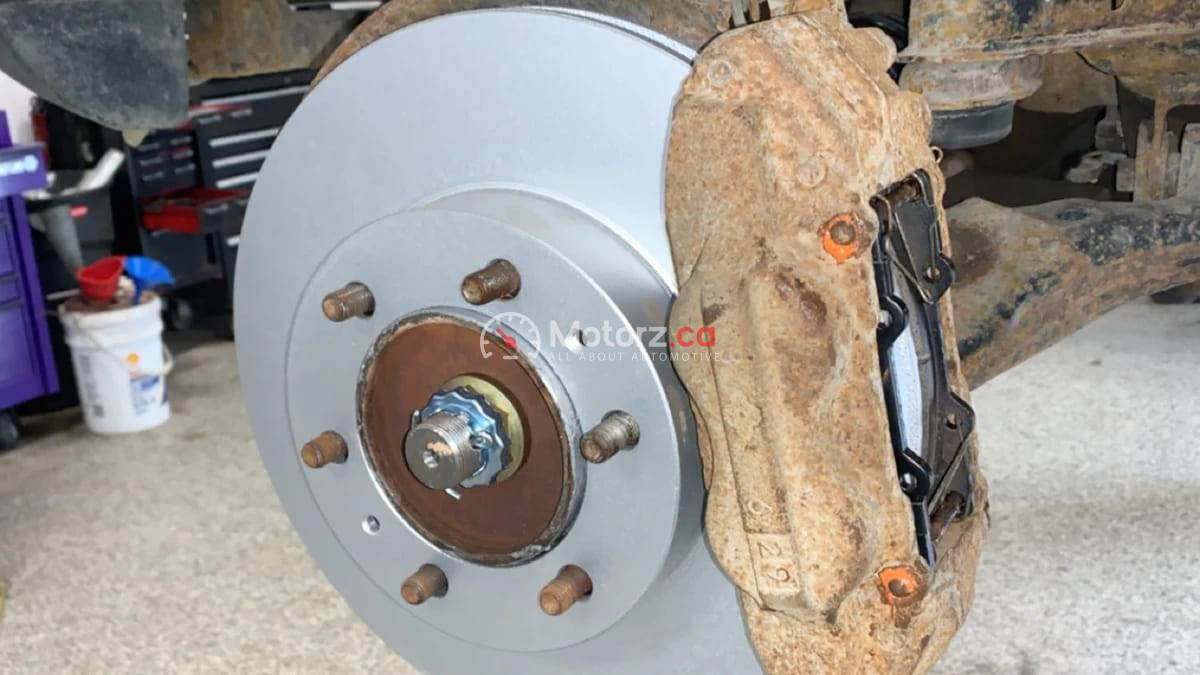
Brake Rotors (50,000 to 80,000 Miles)
Rotors (the metal discs) are sturdier than pads but are still subject to thinning and warping. Many modern rotors are designed to be thin to save weight, meaning they can often only be “turned” or resurfaced once before they must be replaced.
The Electrical Heart: Batteries and Alternators
Your car’s electrical system relies on a delicate balance between chemical storage and mechanical generation.
The Car Battery (3 to 5 Years)
A battery is a chemical device, and chemistry is heavily influenced by temperature.
Hot Climates: Extreme heat is actually harder on batteries than cold. It accelerates internal corrosion, often shortening life to just 3 years.
Cold Climates: Cold weather doesn’t kill batteries, but it reveals their weakness by making the engine harder to turn over.
Maintenance Tip: If your battery is more than 4 years old, have it “load tested” annually to avoid being stranded in a parking lot.
The Alternator (80,000 to 150,000 Miles)
While not strictly a “short-term” consumable, the alternator has internal brushes and bearings that eventually wear out. If your headlights dim at idle or you see a battery warning light while driving, the alternator is likely failing to provide enough current.
Filters and Fluids: The Silent Protectors
Filters and fluids are the cheapest parts on your car, but they protect the most expensive ones (the engine and transmission).
Engine Oil and Filter (5,000 to 10,000 Miles)
Modern synthetic oils have extended drain intervals significantly. However, the oil filter still has a limited capacity to hold contaminants. Even if the oil looks “clean,” the additives that prevent corrosion eventually break down.
Engine Air Filter (15,000 to 30,000 Miles)
Think of this as your car’s lungs. If you drive on dusty rural roads, your air filter may need replacement every 10,000 miles. A clogged filter forces the engine to work harder, reducing fuel efficiency and performance.
Cabin Air Filter (15,000 to 20,000 Miles)
This filter cleans the air you breathe inside the car. If your windows are fogging up or there is a musty smell when the A/C is on, it’s time for a change.
Rubber Components: Belts, Hoses, and Tires
Rubber is a natural material that degrades regardless of whether the car is driven or parked.
Tires (5 to 6 Years or 40,000 to 60,000 Miles)
Tires are limited by two factors: tread depth and age.
Tread Depth: Once your tread reaches 2/32 of an inch, the tire is legally bald and dangerous in the rain.
Dry Rot: Even if a tire has plenty of tread, the rubber begins to crack after 6 years. Most safety experts recommend replacing any tire that is over 10 years old, regardless of appearance.
The Timing Belt (60,000 to 100,000 Miles)
This is the most critical consumable on your car. If the timing belt snaps on an “interference” engine, the pistons will hit the valves, effectively destroying the engine.
Note: Many modern cars use timing chains, which are designed to last the life of the vehicle. Check your manual to see which one you have.
Serpentine / Drive Belts (60,000 to 90,000 Miles)
This belt powers your alternator, A/C, and power steering. Look for cracks, fraying, or “glazing” (a shiny appearance). If this belt snaps, you lose power steering and the car will eventually overheat.
Visibility and Safety: Wipers and Bulbs
Wiper Blades (6 to 12 Months)
Wiper blades live in a harsh environment of UV rays, ice, and road grit. As soon as they start streaking or “chattering” across the glass, replace them. They are your primary safety tool in bad weather.
Headlight Bulbs (500 to 2,000 Hours)
Standard Halogen bulbs dim over time before they actually burn out. If you notice your nighttime visibility isn’t what it used to be, a fresh set of bulbs can make a massive difference. HID and LED lights last significantly longer, often 10,000 hours or more.
Proactive Maintenance is the Best Savings
Understanding the lifespan of your vehicle’s consumables transforms you from a reactive driver to a proactive owner. When you know that your battery is nearing its four-year mark or that your timing belt is due at 90,000 miles, you can plan for these expenses rather than being surprised by a breakdown.
Consumable parts are designed to wear out so that your car’s major systems don’t have to. By replacing these items on time, you are ensuring that your vehicle remains safe, efficient, and reliable for hundreds of thousands of miles.