


For decades, the Winter Tires in 2026 was a predictable ritual of Canadian life. But as weather patterns become more erratic, what was once a routine maintenance task has turned into a critical safety priority. In 2026, the data is clear: climate change isn’t just a headline—it is fundamentally changing how Canadians view road safety.
A landmark 2025/2026 survey by the Tire and Rubber Association of Canada (TRAC) reveals a striking trend. More than 76 percent of Canadian drivers now believe that extreme weather events linked to climate change have made winter tires more important than ever.
Whether it is a sudden “flash freeze” in Ontario or a record-breaking blizzard in the Atlantic provinces, the unpredictability of modern winters is driving a massive surge in winter tire adoption.
The Climate Connection: Why Winter Tires in 2026
The traditional Canadian winter—consistent snow and steady sub-zero temperatures—is being replaced by something much more dangerous: volatility.
The Rise of the Flash Freeze
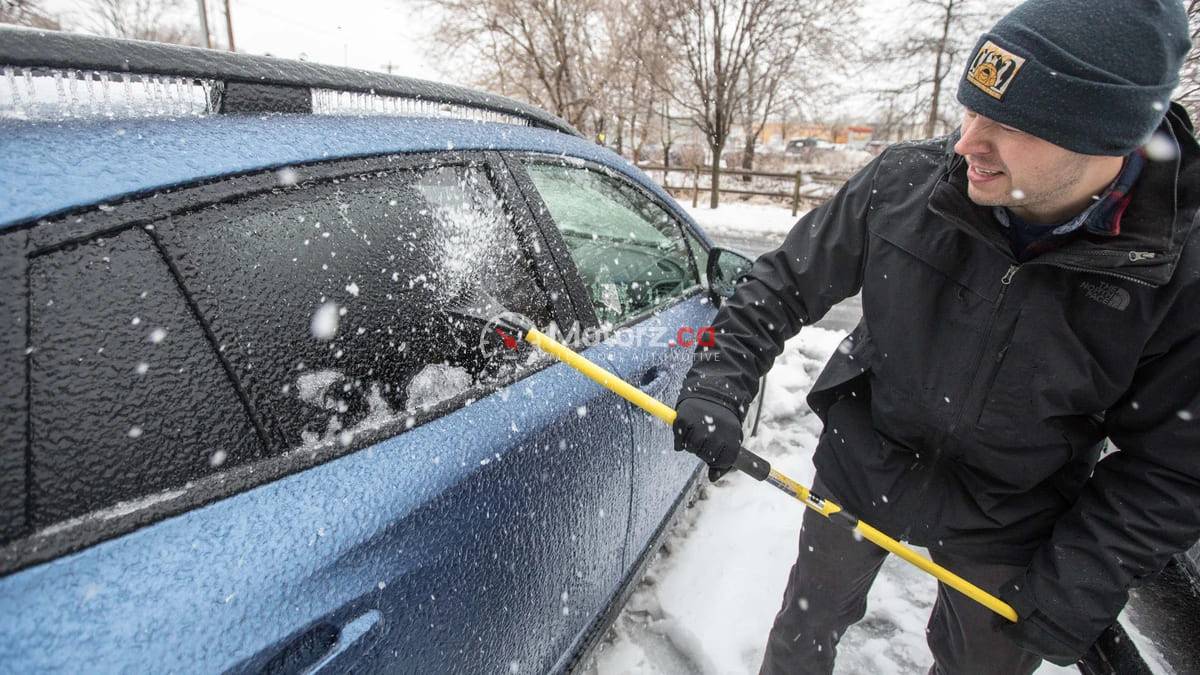
Climate change has increased the frequency of “freeze-thaw” cycles. In a single day, a Canadian city might experience 4°C rain followed by a sudden drop to -10°C. This creates a lethal layer of black ice that all-season tires simply cannot handle.
Why the “7 Degree Rule” Matters More Than Ever
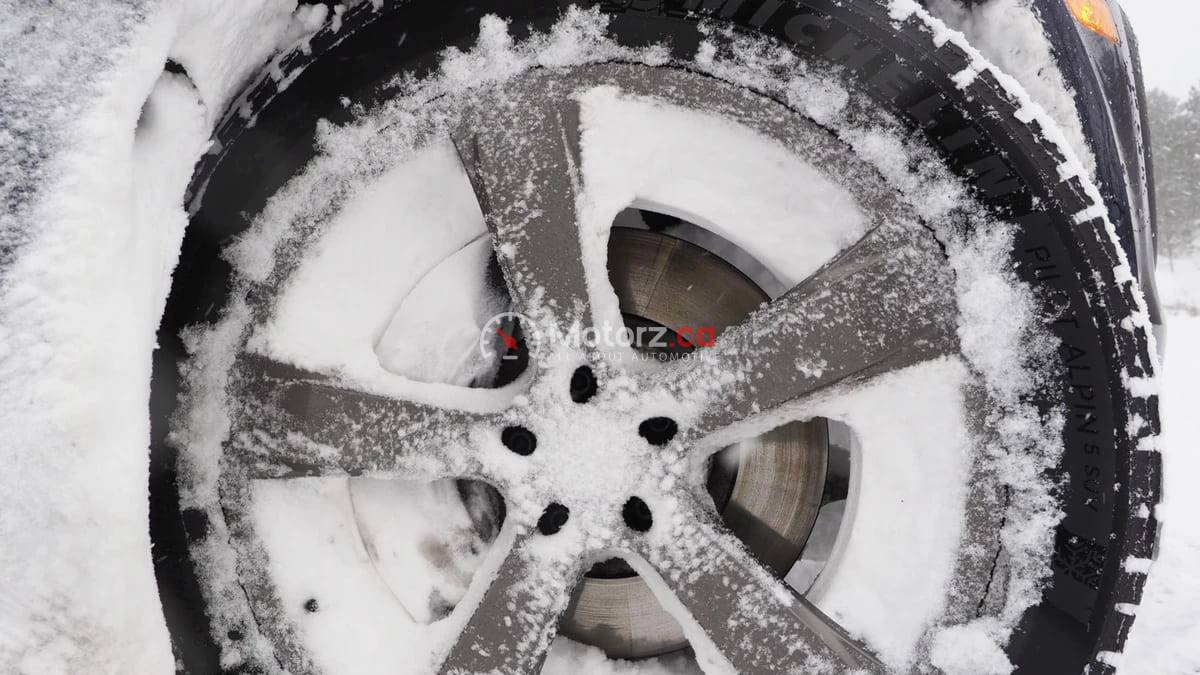
The most critical takeaway from recent automotive research is the 7°C rule. Once the temperature drops below 7°C (45°F), the rubber compounds in all-season and summer tires begin to harden. This “glass transition” makes the tire stiff, significantly reducing its ability to grip the road.
Because climate change brings more frequent “cold snaps” interspersed with mild days, winter tires are no longer just for snow—they are essential for the cold, dry pavement and slush that define the modern Canadian shoulder season.
Survey Highlights: What the Data Says About You
The latest TRAC survey provides a fascinating look at the Canadian psyche when it comes to winter rubber. Despite a rising cost of living, safety remains a non-negotiable for the majority of the population.
High Adoption Rates: National winter tire usage has climbed to 80 percent in late 2025, a significant 12-point increase over the last decade.
The “Safety Save”: An incredible 84 percent of drivers equipped with winter tires say their tires have saved them from a collision or a loss of control.
Motivating Factors: 1. Protecting Family (70%): The primary driver for the switch. 2. Insurance Savings (24%): Many Canadian insurers now offer a 3-5 percent discount for using winter tires. 3. Provincial Mandates (33%): Laws in Quebec and specific BC highways continue to drive compliance.
Regional Breakdown: How Each Province Ranks
While the national average is high, there are distinct regional “personalities” when it comes to tire safety.
The “Cost of Living” Hurdle: Is It Worth the Investment?
With inflation affecting every part of Canadian life, some drivers are hesitating. The survey found that 32 percent of respondents feel less likely to buy new winter tires this year due to financial burdens.
The True Cost-Benefit Analysis
While a set of quality winter tires can cost between 600 and 1,200 units, they are a long-term investment:
Doubling Lifespan: Using two sets of tires (winter and summer) means each set lasts twice as many years.
Collision Avoidance: The average insurance deductible for a collision is 500 to 1,000 units. Avoiding just one minor “fender bender” on ice pays for the tires instantly.
Fuel Efficiency: Modern winter tires feature low-rolling-resistance silica compounds that help maintain fuel economy even in deep snow.
Identifying the Right Tire: 3PMSF and the Ice Symbol
In 2026, Transport Canada is introducing clearer labeling to help consumers navigate the market.
The Three-Peak Mountain Snowflake (3PMSF)
This symbol remains the standard. It indicates that a tire has passed a specific “medium snow traction” test. However, as winters become more “icy” rather than just “snowy,” the industry is moving toward a new Ice Grip Symbol.
The New Ice Symbol (ISO Standard)
Look for the “Ice Symbol” if you live in an area prone to freezing rain and black ice. Tires with this mark are specifically tested for braking on solid ice, offering a higher safety margin than a standard 3-peak tire.
Preparedness in an Unpredictable World
Climate change has made “guessing” the weather a thing of the past. The consensus among Canadian drivers is clear: the risk of being caught in an extreme weather event on the wrong tires is simply too high. By making the switch when the mercury hits 7°C, you aren’t just following a trend—you are using the best technology available to protect yourself and your family.