



Owning a Car Repairs in Canada, with its diverse climates and challenging road conditions, inevitably means encountering the need for repairs at some point. From the wear and tear of daily commutes to the impact of harsh winters and pothole-ridden spring thaws, Canadian cars face a unique set of stresses. Understanding the common types of repairs your vehicle might require can not only prepare you financially but also empower you to recognize potential issues early and communicate effectively with your mechanic. This comprehensive guide delves into the most frequent car repairs seen in Canadian garages, offering insights into their causes, symptoms, and what you can expect.
The Canadian Car Repair Landscape: A Unique Perspective
Before diving into specific Car Repairs in Canada, it’s important to acknowledge the factors that contribute to the common issues faced by Canadian vehicles:
Extreme Temperatures: Blistering summers and frigid winters put immense strain on various car components, from batteries and fluids to belts and hoses.
Road Salt and Corrosion: The widespread use of road salt during winter to combat ice and snow accelerates corrosion, particularly affecting exhaust systems, undercarriage components, and brake lines.
Potholes and Road Conditions: Seasonal freeze-thaw cycles contribute to the formation of potholes and uneven road surfaces, impacting suspension Car Repairs in Canada, tires, and wheel alignment.
Long Distances: Many Canadians travel significant distances, increasing overall mileage and wear on their vehicles.
Understanding these environmental and usage factors helps contextualize the types of repairs that are most prevalent across the country.
The Top 10 Most Common Car Repairs in Canada:
Based on data from Canadian automotive service centers and repair shops, here are ten of the most frequent car repairs encountered by vehicle owners:
Brake System Repairs: The Essential for Safety
Brake issues consistently top the list of common car Car Repairs in Canada. The constant use and stress on the braking system, coupled with the corrosive effects of road salt, make this a frequent area of concern.
Common Issues:Worn Brake Pads and Rotors: Friction materials wear down over time, requiring replacement to maintain stopping power. Symptoms include squealing, grinding noises, and reduced responsiveness.
Brake Fluid Leaks: Leaks in the brake lines, calipers, or master Car Repairs in Canada can lead to a spongy brake pedal and compromised braking performance.
Corroded Brake Lines: Road salt can cause brake lines to rust and eventually leak, posing a significant safety hazard.
Sticking Calipers: Calipers can seize or stick, causing uneven brake wear, overheating, and pulling to one side during braking.
Prevention and Maintenance: Regular brake inspections, timely pad and rotor replacements, and flushing the brake fluid according to the manufacturer’s recommendations are crucial. Addressing any unusual noises or changes in brake pedal feel promptly is essential.
Battery Problems: Battling the Cold
Canadian winters are notoriously harsh on car batteries. Extreme cold reduces battery capacity and can lead to starting issues, making battery-related repairs a common occurrence.
Common Issues:
Dead Battery: Cold temperatures, Car Repairs in Canada lights on, or an aging battery can cause it to die.
Corroded Terminals: Corrosion buildup on battery terminals hinders electrical flow.
Faulty Alternator: The alternator charges the battery while the engine is running. A failing alternator can lead to a drained battery.
Prevention and Maintenance: Regular inspection and cleaning of battery terminals, ensuring secure connections, and having the battery tested periodically, especially before winter, can help prevent issues. Using a battery tender in extremely cold weather or during prolonged periods of inactivity can also be beneficial.
Tire Issues: From Flats to Wear and Tear
Tires are the direct interface between your Car Repairs in Canada and the road, making them susceptible to various forms of damage and wear, leading to frequent repairs and replacements.
Common Issues:
Flat Tires: Punctures from nails, screws, or road debris are common.
Uneven Tire Wear: Misalignment, improper inflation, or worn suspension components can cause uneven wear patterns, shortening tire life.
Sidewall Damage: Impacts with potholes or curbs can damage tire sidewalls.
Valve Stem Leaks: Damaged or corroded valve stems can cause slow leaks.
Prevention and Maintenance: Regular tire pressure checks, proper wheel alignment, timely tire rotations, and careful driving to avoid road hazards can extend tire life and prevent flats.
Exhaust System Problems: Corrosion’s Toll
The exhaust system is particularly vulnerable to corrosion due to its exposure to road salt, moisture, and high temperatures. This makes exhaust repairs a frequent necessity in Car Repairs in Canada.
Common Issues:
Rust and Holes: Mufflers, pipes, and catalytic converters can rust through, leading to noise, reduced fuel efficiency, and potential emissions issues.
Leaks: Exhaust leaks can be dangerous, allowing harmful gases to enter the cabin.
Catalytic Converter Failure: While expensive, catalytic converter failure can occur due to age, damage, or engine problems.
Prevention and Maintenance: Undercoating the vehicle can provide some protection against corrosion. Addressing any unusual exhaust noises promptly and avoiding short trips (which don’t allow the exhaust system to fully heat up and dry out) can help prolong its life.
Suspension and Steering Repairs: Handling the Rough Roads
Canada’s often-challenging road conditions, including potholes and uneven surfaces, can take a toll on the suspension and steering systems.
Common Issues:
Worn Shocks and Struts: These components control ride and handling. Wear leads to a bouncy ride, poor handling, and increased tire wear.
Damaged Ball Joints and Tie Rod Ends: These are crucial steering and suspension linkages. Wear or damage can cause loose steering, noise, and alignment issues.
Broken Springs: Springs absorb road impacts. They can break due to age, corrosion, or severe impacts.
Misalignment: Potholes and impacts can knock the wheels out of alignment, leading to uneven tire wear and poor handling.
Prevention and Maintenance: Avoiding potholes when possible, regular suspension and steering inspections, and timely wheel alignments are important for maintaining these systems.
Cooling System Issues: Battling Temperature Extremes
The cooling system works hard to regulate engine temperature in both scorching summers and freezing winters. This constant stress can lead to various problems.
Common Issues:
Coolant Leaks: Leaks can occur from hoses, the radiator, water pump, or other components.
Overheating: Low coolant, a faulty thermostat, a failing water pump, or a clogged radiator can cause the engine to overheat.
Hose Failures: Rubber hoses can crack, swell, or leak due to age and temperature fluctuations.
Thermostat Problems: A stuck thermostat can cause the engine to run too hot or too cold.
Prevention and Maintenance: Regular coolant level checks, inspecting hoses for leaks and damage, and periodic coolant flushes according to the manufacturer’s recommendations are essential.
Electrical System Problems: Powering the Vehicle
Modern vehicles rely heavily on Car Repairs in Canada electrical systems. Issues within these systems can lead to a variety of problems.
Common Issues:
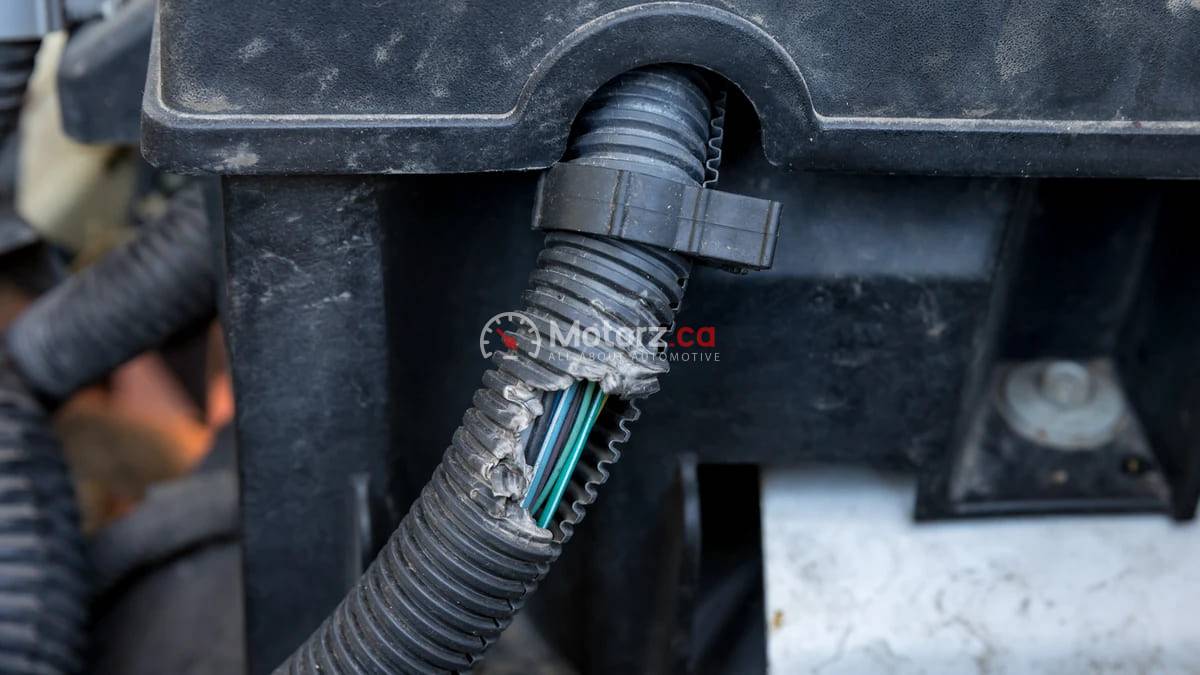
Wiring Issues: Damaged, frayed, or corroded wiring can cause malfunctions in various systems.
Sensor Failures: Numerous sensors monitor engine performance and other functions. Failures can trigger warning lights and affect Car Repairs in Canada operation.
Fuse and Relay Problems: Overloads or component failures can blow fuses or damage relays.
Lighting Issues: Burnt-out headlights, taillights, or signal lights are common and can be a safety hazard.
Prevention and Maintenance: Regular inspections of wiring and connections, addressing any electrical malfunctions promptly, and replacing burnt-out bulbs are important.
Transmission Issues: Ensuring Smooth Shifting
The transmission is a complex and crucial component. Repairs can be costly, making preventative maintenance particularly important.
Common Issues:
Slipping Gears: The transmission may Car Repairs in Canada shift out of gear.
Rough or Delayed Shifting: Gear changes may feel jerky or take longer than usual.
Leaks: Transmission fluid leaks can lead to low fluid levels and damage.
Unusual Noises: Whining, clunking, or humming noises from the transmission can indicate problems.
Prevention and Maintenance: Following the manufacturer’s recommended transmission fluid change intervals is crucial. Avoiding harsh acceleration and abrupt shifting can also help prolong transmission life.
Engine Issues: The Heart of the Vehicle
Engine problems can range from minor to Car Repairs in Canada and often require significant repairs.
Common Issues:
Oil Leaks: Leaks from various seals and gaskets are common as engines age.
Misfires: These can be caused by faulty spark plugs, ignition coils, or fuel injectors.
Overheating (as mentioned in cooling system): Can lead to serious engine damage.
Loss of Power: Can be caused by various factors, including clogged filters, sensor failures, or internal engine problems.
Prevention and Maintenance: Regular oil changes, adhering to the manufacturer’s maintenance schedule, and addressing any warning lights or unusual engine noises promptly are vital.
Air Conditioning (A/C) Problems: Comfort in the Extremes
While not strictly essential for vehicle operation, a Car Repairs in Canada A/C system is highly valued in Canada, especially during hot summer months.
Common Issues:
Refrigerant Leaks: The most common cause of a non-functioning A/C.
Compressor Failure: The compressor circulates refrigerant and can fail due to age or leaks.
Condenser or Evaporator Issues: These heat exchangers can become damaged or clogged.
Belt Problems: A worn or broken compressor belt won’t allow the A/C to function.
Prevention and Maintenance: Regular A/C system checks and Car Repairs in Canada top-ups as needed can help prevent major issues. Running the A/C periodically, even in winter, can help keep the system lubricated.
Being a Prepared Canadian Vehicle Owner
Understanding these common car repairs in Car Repairs in Canada empowers you to be a more informed and proactive vehicle owner. Recognizing the symptoms of potential problems early, adhering to recommended maintenance schedules, and choosing a trusted mechanic can save you time, money, and stress in the long run. By being aware of the unique challenges our Car Repairs in Canada climate and road conditions present, you can take the necessary steps to keep your vehicle running smoothly and safely for years to come. Remember, preventative maintenance is always more cost-effective than dealing with major repairs down the road.