
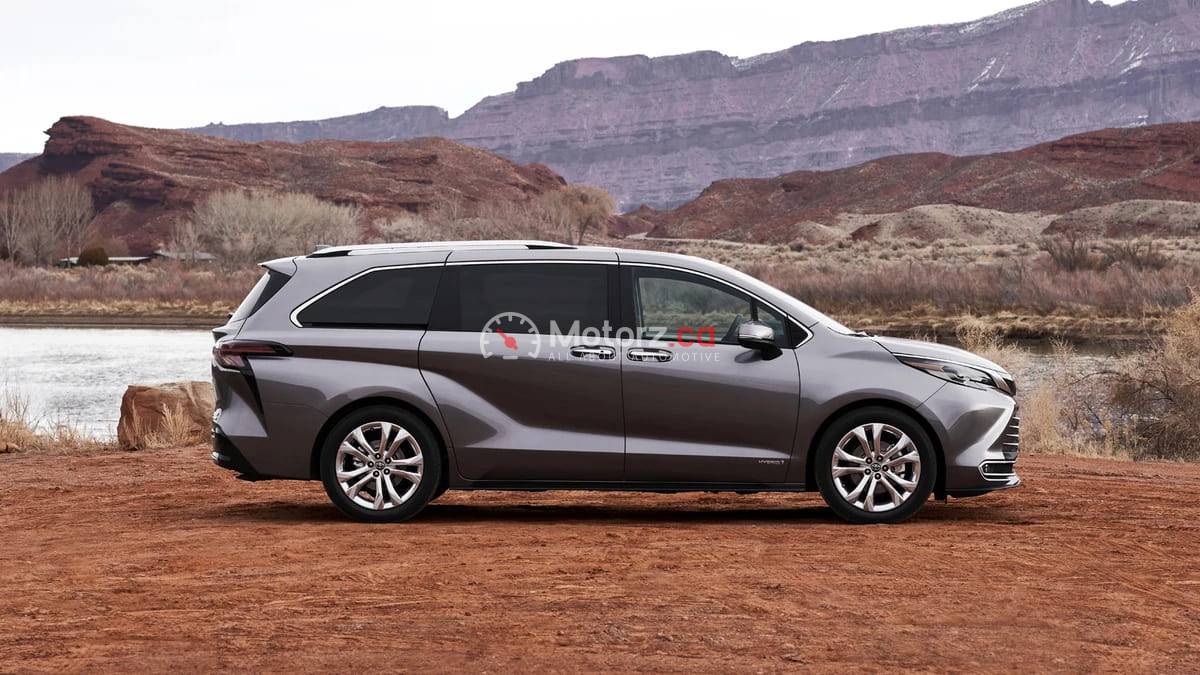

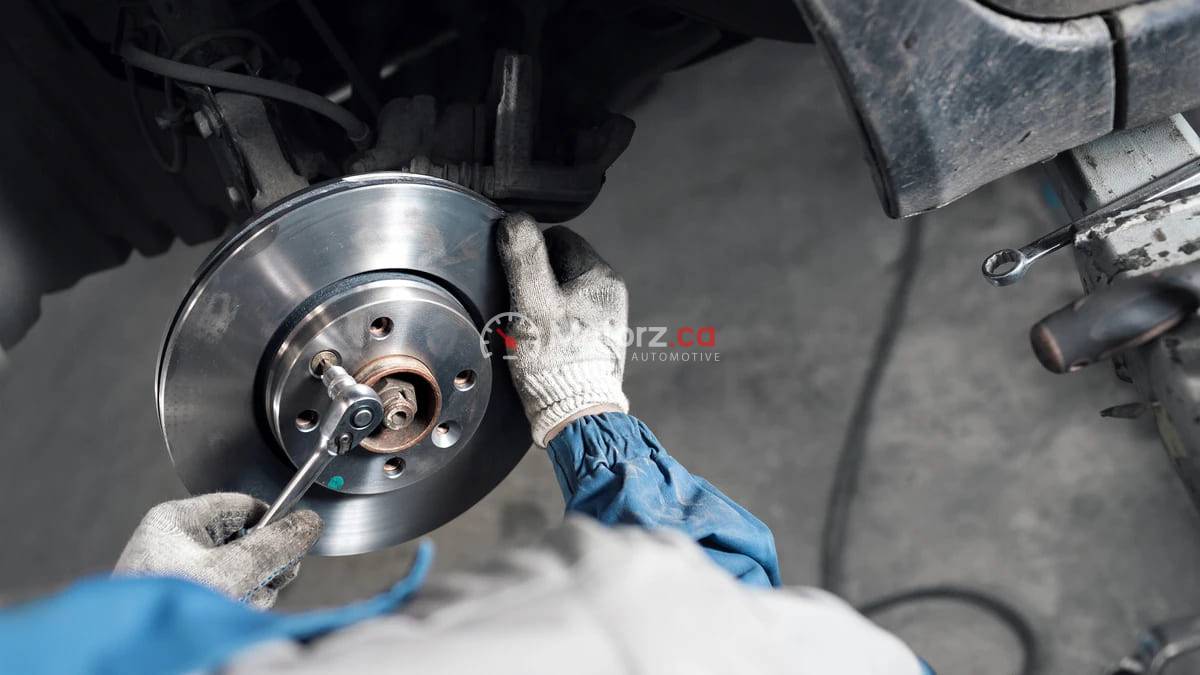

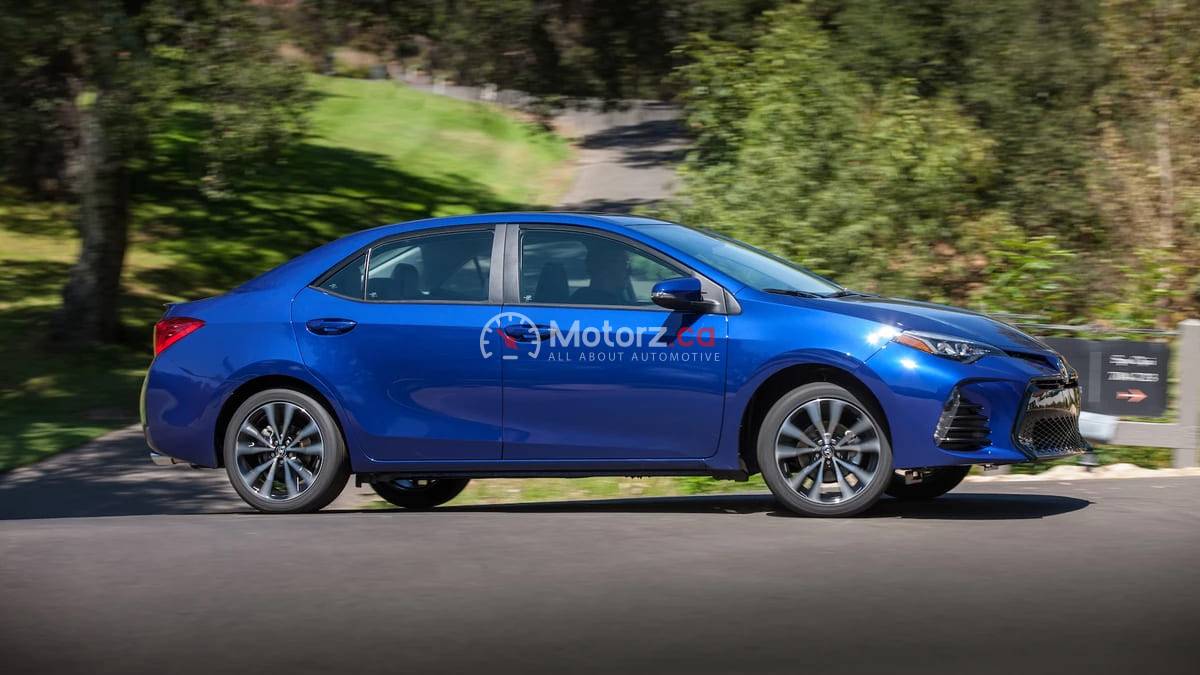

Buying a Reliable Used Cars for 2025 is one of the most significant financial decisions a household makes. In a market constantly shifting with new technology, electric vehicles, and lingering supply chain effects, reliability is no longer just a perk—it’s the cornerstone of long-term value and peace of mind. No buyer wants to inherit someone else’s mechanical problems.
For decades, Consumer Reports (CR) has been the gold standard for independent, owner-reported vehicle reliability data. Their annual rankings, derived from surveys covering hundreds of thousands of vehicles, provide the clearest roadmap to dependable used car ownership. The 2025 analysis is particularly crucial, highlighting which models from the 2015-2020 model years are proving to be long-term winners, and which new technologies are still experiencing “teething pains.”
This comprehensive guide breaks down the latest Consumer Reports used car reliability rankings for 2025 by brand and by vehicle segment. We’ll explore why Japanese brands continue to dominate, detail the specific model years offering the best blend of value and dependability, and provide actionable tips for navigating the used market using this authoritative data.
The Top Reliability Brands: Why Toyota, Lexus, and Mazda Still Lead
The 2025 Consumer Reports study, based on comprehensive owner feedback on 17 specific trouble areas, reveals a consistent theme: automakers that prioritize incremental, proven engineering over radical change continue to deliver the highest reliability scores.
The Dominance of Toyota and Lexus
The partnership of Toyota and its luxury division, Lexus, consistently dominates the reliability rankings. For 2025, Lexus and Toyota occupy the top positions, a trend largely attributed to their engineering philosophy.
Proven Powertrains: Toyota is famous for stretching out designs and using shared, robust components—from engines (like the durable 2.5L four-cylinder) to transmissions—across multiple model lines for years. This minimizes the risk of introducing widespread new problems.
Hybrid Mastery: Conventional hybrids (which do not require plugging in) are a standout success. Toyota’s experience, starting with the Prius decades ago, means models like the Toyota Camry Hybrid and Toyota RAV4 Hybrid are among the most reliable vehicles on the road, often beating their gas-only counterparts. CR’s data shows that while hybrids are mechanically complex, Toyota’s refinement has made them extremely dependable.
Lexus Value Proposition: Lexus models, such as the Lexus RX and Lexus ES, benefit from Toyota’s underlying engineering but add a layer of luxury refinement. Their high reliability ratings make them an excellent used luxury investment, as they tend to avoid the expensive, catastrophic issues often associated with older European luxury vehicles.
Mazda, Subaru, and Honda: Japanese Dependability
The rest of the top tier is rounded out by other Japanese mainstays, each with a specific recipe for reliability:
Mazda’s SKYACTIV Edge: Mazda has consistently climbed the reliability charts. Models like the Mazda CX-5 and Mazda3 are repeatedly lauded for their blend of fun-to-drive dynamics and simple, high-quality engineering. CR highlights the Mazda CX-5 as an excellent used SUV under a 15,000 price point for certain model years.
Subaru’s Consistent Excellence: Subaru performs highly, with models like the Outback and Forester benefiting from shared components and a conservative engineering approach. Their dedication to standard All-Wheel Drive (AWD) is paired with a reliable boxer engine architecture that, once sorted in earlier model years, tends to be durable.
Honda’s Core Strength: While facing increased competition from the Korean manufacturers, Honda remains a reliability heavyweight. The Honda Civic and Honda CR-V continue to be reliable choices known for their excellent engine longevity and low operating expenses.
Segment Winners: Best Reliable Used Cars for 2025
The most practical way to shop is by segment. Consumer Reports isolates the best model years for value and reliability within key vehicle categories.
Compact and Mid-Size Sedans (The Commuter Heroes)
Sedans offer the highest likelihood of finding a reliable, low-cost used vehicle, thanks to long production cycles and proven designs.
Insight: For those seeking the best blend of reliability and fuel economy under 20,000, the Toyota Camry Hybrid from the 2018-2024 model years is difficult to beat, demonstrating that hybrid complexity is not an automatic reliability penalty with the right manufacturer.
Compact and Small Used SUVs (The Family Favorite)
The compact SUV segment is the most popular, and thankfully, it contains some of the most reliable used models.
Insight: The Toyota RAV4 Hybrid (2016-2018) is often cited as the best hybrid SUV under 20,000, combining the utility of a small SUV with Toyota’s gold-standard hybrid system dependability.
Truck and Sports Car Standouts
Reliability is equally important in specialized segments where repairs can be significantly more expensive.
The New Reliability Landscape: Hybrids vs. EVs
The 2025 report provides crucial data on the reliability of electrified vehicles, creating a clear hierarchy of dependability within the powertrain space.
The Reliability of Conventional Hybrids
The data is overwhelmingly positive: conventional hybrids (those without a plug) are statistically among the most reliable vehicles you can buy in the used market.
Refined Technology: As shown by Toyota and Honda, the technology has been refined over two decades. The key components (battery, electric motor, and transmission) are integrated seamlessly, and the problems that plagued early generations have been solved.
Thermal Management: Conventional hybrids use proven systems to manage the temperature of the battery and electric components, leading to fewer issues than the high-voltage, high-heat systems found in many early plug-in electric vehicles.
Electric Vehicles (EVs) and Plug-in Hybrids (PHEVs) Lagging
The report indicates a clear pattern: EVs and PHEVs, especially those from newer manufacturers or first-generation models, still present higher reliability risks in the used market compared to gas or conventional hybrid cars.
Teething Pains: Owners of 5-to-10-year-old EVs reported significantly more problems (up to 80 percent more problems on average than ICE cars). These issues often involve the drive motor system, climate control, charging components, and advanced infotainment systems.
The Tesla Anomaly: CR data often clusters Tesla near the bottom of brand reliability, particularly for the earlier Model S and Model X (2014-2019 model years). These models were produced during Tesla’s “production hell” era and show recurring issues with fit-and-finish, air suspension, and drive units. However, newer EVs are starting to show improvement as they age and the technology matures.
The PHEV Dilemma: PHEVs, which combine the complexity of a gas engine, an electric motor, and a large plug-in battery, often have the highest complexity and therefore the highest potential for trouble spots, especially in their early model years.
Actionable Used Car Buying Tips from the CR Data
Relying on the Consumer Reports data is just the first step. Here is how to use the rankings to make a confident purchase.
Focus on Specific Model Years
Reliability is not consistent across a model’s entire history. A vehicle that was fully redesigned often suffers from low reliability in its first year or two of production (where the kinks are being worked out) before becoming highly reliable later in the generation.
Tip: Always check the CR reliability score for the exact model year you are considering. A 2019 Toyota Corolla may be highly recommended, while a newly redesigned 2021 model might have temporarily lower scores due to new technology introduction.
The Sweet Spot: The most reliable used cars are often those in their final two or three years of a production cycle before a major redesign. These models have benefited from years of continuous manufacturer fixes and component optimization.
Prioritize Safety Features
CR emphasizes that reliability extends beyond just the engine. Advanced safety features that can prevent accidents also contribute to a vehicle’s overall dependability rating.
Look for Standard ADAS: Many of the most reliable used cars from 2018 onward, particularly Japanese models, include standard Advanced Driver Assistance Systems (ADAS) like Automatic Emergency Braking (AEB), Forward Collision Warning (FCW), and Adaptive Cruise Control. These features not only keep you safer but also prevent costly low-speed accidents.
Always Get a Pre-Purchase Inspection (PPI)
Even the most reliable model can have problems if it was poorly maintained.
Final Step: Before purchasing any used car—even a highly-rated Toyota Corolla—invest in a Pre-Purchase Inspection (PPI) by an independent mechanic who specializes in that brand. The PPI confirms the vehicle’s specific condition and maintenance history, validating the general reliability data for your particular unit.
Investing in Proven Reliability
The 2025 Consumer Reports reliability rankings confirm an age-old truth: dependability is earned through proven engineering and long-term refinement. For used car buyers, the path to a low-stress ownership experience is clearly paved by manufacturers like Toyota, Lexus, and Mazda.
While new technology like EVs and PHEVs offer exciting performance, their used models from the past decade carry a higher risk profile. By targeting the top-rated models—especially the conventional hybrids and gas models that dominate the compact sedan and SUV segments—buyers can confidently select a vehicle that promises to provide many years of trouble-free service and excellent long-term value.