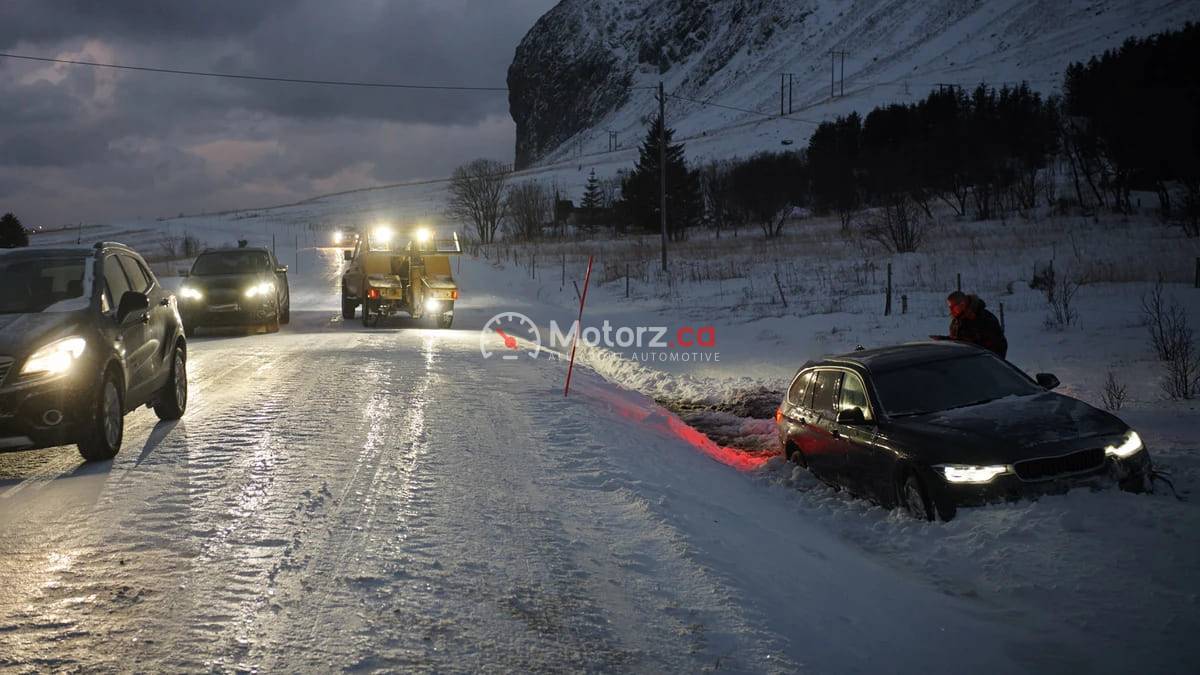

We’ve all been there: a strange light flickers on the dashboard, the steering wheel starts to vibrate, or a sudden “thud” echoes from under the car. Automotive emergencies are a nightmare scenario for any driver, yet many of us hit the road every day without a clear plan of action.
In this edition of Lorraine Explains, we are cutting through the panic. Handling a car emergency isn’t just about knowing how to call for a tow; it’s about making split-second decisions that protect your life and the lives of those around you. From tire blowouts at highway speeds to the terrifying moment your brakes fail, here is everything you need to know to stay safe in 2026.
The Golden Rule: Stay Automotive Emergencies
When something goes wrong, your body’s natural instinct is “fight or flight.” This often leads to “panic braking” or “oversteering”—two reactions that frequently turn a minor mechanical issue into a major accident.
Take a Breath
The most important tool in your car is your own brain. If you feel a jerk or hear a loud noise, take one deep breath. Firmly grip the steering wheel at the 9 and 3 o’clock positions. Your priority is keeping the vehicle in its lane while you assess the situation.
Signal Your Intent
As soon as you realize there is a problem, hit your hazard lights. This is the universal “help” signal for other drivers. It tells them to give you space before you even begin to move toward the shoulder.
Critical Scenario: How to Handle a Tire Blowout
A tire blowout feels like a sudden pull to one side, often accompanied by a loud flapping sound. In 2025, tire blowouts remain a leading cause of highway accidents, usually due to underinflation or extreme heat.
DON’T Slam the Brakes: This is the most common mistake. Braking hard with a blown tire can cause the car to spin out of control.
DO Accelerate Slightly: It sounds counterintuitive, but a small tap on the gas can help stabilize the vehicle and keep it moving straight.
Ease Off the Gas: Once the car is stable, slowly lift your foot off the accelerator. Let the engine’s natural resistance slow you down.
Pull Over Gently: Only when you have slowed to a crawl should you steer toward the right-hand shoulder.
The Nightmare: What if Your Brakes Fail?
While rare in modern vehicles, brake failure is a terrifying prospect. If you press the pedal and it goes to the floor with no resistance, follow these steps immediately:
Pump the Brakes
Most modern cars have a dual braking system. Pumping the pedal fast and hard can sometimes build up enough hydraulic pressure to stop the car.
Use Engine Braking (Downshifting)
If you have an automatic transmission, move the shifter to “L” or use the paddle shifters to drop to the lowest gear possible. If you drive a manual, downshift one gear at a time. This uses the engine’s compression to drag the car’s speed down.
The Emergency Brake
Use your parking brake (handbrake) only after you have slowed down significantly. Apply it slowly and steadily. Ripping it up at 100 km/h will lock your rear wheels and send you into a dangerous skid.
When Your Engine Loses Its Cool: Overheating
Seeing steam from under the hood is a classic sign of a cooling system failure. If your temperature gauge spikes:
Turn Off the AC: The air conditioner puts a massive load on the engine.
Turn ON the Heater: This might be uncomfortable, but it actually pulls heat away from the engine and into the cabin, acting as a secondary radiator.
Pull Over and Wait: Do not open the hood immediately. Pressurized steam can cause severe burns. Wait at least 15 to 20 minutes before inspecting the coolant levels.
Roadside Safety: The “Safe Exit” Strategy
Once you are pulled over, the danger isn’t over. The side of a highway is one of the most hazardous places to be.
Stay in the Car
Unless your car is on fire or at risk of being hit, it is generally safer to stay inside with your seatbelt fastened. If you must exit, always exit on the side away from traffic (the passenger side).
Increase Your Visibility
Warning Triangles: Place them 10 feet, 100 feet, and 200 feet behind your vehicle.
The White Cloth Trick: Hanging a white cloth or grocery bag from the driver’s side window or antenna is the universal sign for a disabled vehicle.
Raise the Hood: This tells police and tow drivers exactly who needs help in a crowded area.
The 2026 Automotive Emergency Kit Essentials
If you haven’t checked your trunk lately, now is the time. Every driver should carry an emergency “Go-Bag” containing:
Portable Jump Starter: Modern lithium-ion packs are small and don’t require a second car to jump-start yours.
High-Visibility Vest: Essential if you need to step out of the car at night.
Digital Tire Inflator: Many 2025–2026 cars no longer come with spare tires, only “repair kits.”
Life-Saving Tools: A seatbelt cutter and window breaker kept within arm’s reach of the driver.
Water and Non-Perishables: Especially important for winter driving where you might be stranded for hours.
Preparation is the Best Defense
No one plans to have an automotive emergency, but everyone can plan how they respond to one. By understanding the mechanics of your vehicle and keeping your cool, you can turn a life-threatening situation into a manageable inconvenience.
The next time you’re behind the wheel, take a moment to visualize your “exit strategy.” Do you know where your hazard button is? Is your phone charged? A little mental preparation goes a long way toward ensuring you get home safely.