



The Season of Hibernation? Not Anymore.
For the motorsport enthusiast, the arrival of Car Prep Tips for Motorsports can feel like a sentence. The track days fade away, the performance tires get put into storage, and the daily driver, often a finely tuned machine, is relegated to the garage. The salt-covered roads, treacherous black ice, and deep snow can turn a spirited drive into a white-knuckle experience. But winter doesn’t have to be the end of the driving season. With the right preparation, you can not only safely navigate the colder months but also discover a new set of exhilarating challenges.
This guide is for those who refuse to let their Car Prep Tips for Motorsports be put on hold by a few feet of snow. We’ll cover everything from the crucial mechanical preparations to the art of winter driving itself. Whether you’re planning to brave the elements in your performance car, or simply want to ensure your daily driver is as safe and capable as possible, these tips are designed to get you through the winter with confidence and maybe even a little bit of fun.
The Single Most Important Upgrade: Car Prep Tips for Motorsports
Let’s get this out of the way first: if you’re a motorsports enthusiast, you understand the importance of good tires. You wouldn’t hit the track on all-seasons, so why would you trust them in a Canadian winter? The best performance car in the world is useless if it can’t grip the road. This is especially true in Ontario, where temperatures frequently drop below the critical 7°C threshold.
Why All-Seasons Just Don’t Cut It
All-season tires are a Car Prep Tips for Motorsports, designed to perform adequately in a wide range of conditions, but excelling in none. Their rubber compound hardens in the cold, drastically reducing grip. Winter tires, on the other hand, are engineered with a softer rubber compound that remains pliable in freezing temperatures. They feature unique tread patterns with deeper grooves and thousands of tiny slits called “sipes” that bite into snow and ice, providing a level of traction and control that all-seasons simply cannot match.
Choosing the Right Winter Tire for Your Ride
For the performance-oriented driver, there are two main categories of winter tires:
Studless Ice & Snow: These tires, like the Bridgestone Blizzak WS90 or Michelin X-Ice Snow, are built to provide maximum grip on ice and deep snow. Their softer compound and dense siping are ideal for urban and suburban Car Prep Tips for Motorsports who deal with a mix of snow, slush, and frozen roads.
Performance Winter: If you have a high-horsepower rear-wheel-drive car, a performance winter tire might be a better fit. Tires like the Pirelli Winter Sottozero 3 or Michelin Pilot Alpin PA4 are designed to maintain some of the handling characteristics of a summer tire on dry pavement while still providing superior grip on snow and ice. They have a slightly stiffer sidewall and a less aggressive tread pattern than studless Car Prep Tips for Motorsports, offering a good balance for the enthusiast who values a connected driving feel.
Remember to purchase a dedicated set of winter wheels to protect your expensive alloys from road salt and to make the biannual tire swap easier.
The Heart and Soul: Engine and Fluid Prep
Your car’s fluids are its lifeblood, and they behave very differently in extreme cold. A little preventative maintenance now can save you a lot of headaches (and money) later.
The Fluid Checklist
Engine Oil: Cold weather thickens oil, making it harder for the Car Prep Tips for Motorsports to circulate on startup. If your car uses a thinner oil year-round, that’s great. If not, consider switching to a lighter-weight synthetic oil for the winter. This will ensure proper lubrication and reduce wear on your engine during those frigid morning starts.
Coolant/Antifreeze: This is non-negotiable. Ensure your coolant is mixed to the correct ratio of antifreeze and distilled water. The right mixture prevents the fluid from freezing and causing catastrophic engine damage. A mechanic can test the concentration for you.
Washer Fluid: Switch to a washer fluid rated for -40°C. Standard fluids will freeze in the lines and on your windshield, making visibility an issue.
Brake Fluid: Brake fluid is hydroscopic, meaning it absorbs moisture over time. This can lower its boiling point and, more relevant for winter, its freezing point. If it’s been a while, a brake fluid flush is a good idea.
Battery: Cold weather is a battery killer. If your battery is more than a few years old, have it tested. The last thing you want is a dead battery in a freezing parking lot. Keep a quality set of jumper cables in your trunk.
The Body & Soul: Protecting Your Ride from Salt and Slush
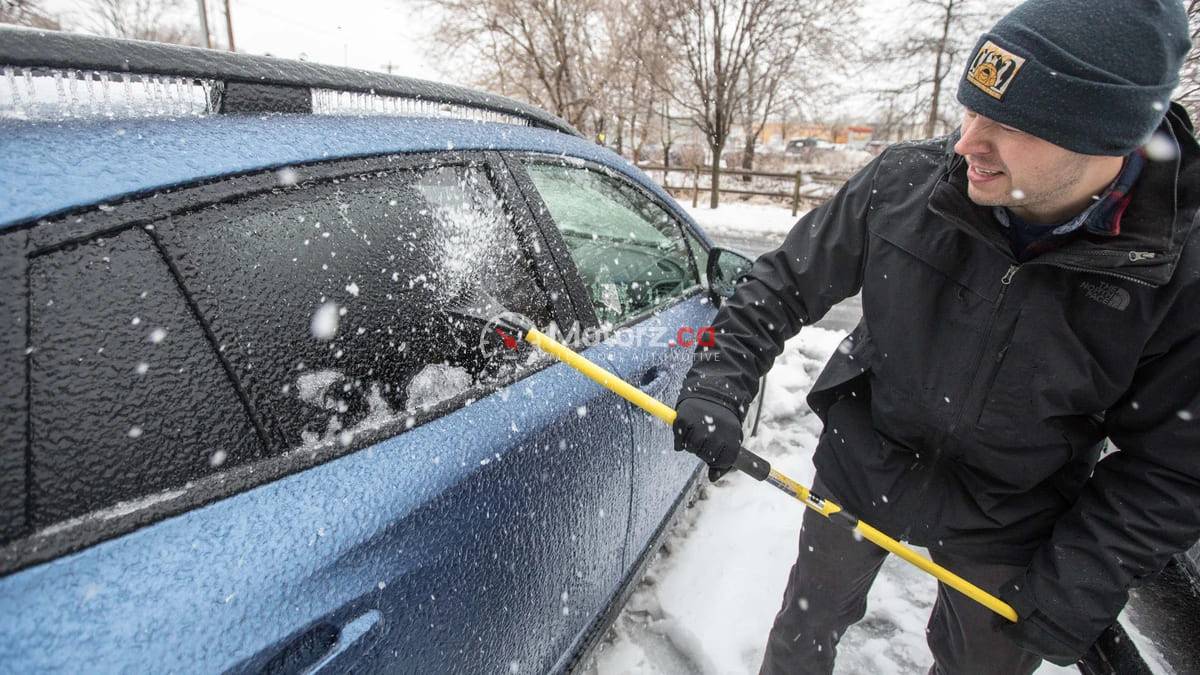
Car Prep Tips for Motorsports are heavily salted to combat ice, and that salt is a corrosive killer. It can quickly eat away at your car’s undercarriage, paint, and brake lines.
Detailing for Winter Protection
Wash and Wax: Before the first snowfall, give your Car Prep Tips for Motorsports a thorough wash. This includes the undercarriage, which often gets neglected. Apply a high-quality sealant or wax to the paint. For maximum protection, consider a ceramic coating, which provides a durable, long-lasting barrier against salt, grime, and other corrosive elements.
Rustproofing/Undercoating: For a more permanent solution, look into getting a professional rustproofing service. These oil-based coatings are sprayed on the undercarriage and other susceptible areas to prevent rust from forming.
Interior Care: Salt from your boots can stain and damage your Car Prep Tips for Motorsports. Invest in a good set of all-weather floor mats. Clean and condition your leather or fabric seats to prevent them from drying out in the cold, dry air.
The Ultimate Decision: Driving or Storing?
For many performance car owners, the question isn’t how to drive in winter, but whether to drive at all. Storing your car is a viable and often wise option to preserve its condition.
The Art of Winter Car Storage
Choose the Right Location: The ideal storage location is a dry, temperature-controlled environment. If that’s not possible, a clean, dry garage will suffice. Avoid outdoor storage if at all possible.
Wash and Wax: As mentioned above, a clean Car Prep Tips for Motorsports is a happy stored car.
Fluids and Fuel: Fill your gas tank completely and add a fuel stabilizer to prevent moisture buildup and fuel degradation. Change the oil and other fluids before storing the car.
Battery and Tires: Connect a battery tender to keep the battery topped up. Inflate your tires to a higher PSI to prevent flat spots from forming over the long winter.
Critter Control: Place steel wool in the exhaust pipes and air intakes to prevent rodents from nesting.
Mastering the Elements: Winter Driving Techniques
If you’ve decided to drive through the Car Prep Tips for Motorsports, it’s time to refine your skills. Winter driving is a form of motorsport in itself, and it demands precision, patience, and a deep understanding of vehicle dynamics.
The Fundamentals of Winter Driving
Smooth Inputs: The key to winter driving is to be as smooth as possible with all your inputs. Gentle steering, progressive braking, and soft throttle application are your best friends. Abrupt movements will break traction and send you into a skid.
Look Far Ahead: Always look ahead to anticipate what’s coming. Spotting a slippery patch of black ice or an unplowed section of road early gives you more time to react.
Mastering the Skid: Don’t panic. If your car starts to skid, the most important thing is to look and steer where you want to go. Don’t slam on the brakes. With a front-wheel-drive car, a little bit of throttle can sometimes pull you out of a slide. In a Car Prep Tips for Motorsports, lift off the gas and steer into the slide to regain control.
Driving Schools: Consider enrolling in a Car Prep Tips for Motorsports or a car control clinic. Places like Race Lab offer courses specifically designed to teach you how to handle a car on snow and ice in a safe, controlled environment. It’s the ultimate way to level up your winter driving skills and have a blast doing it.