
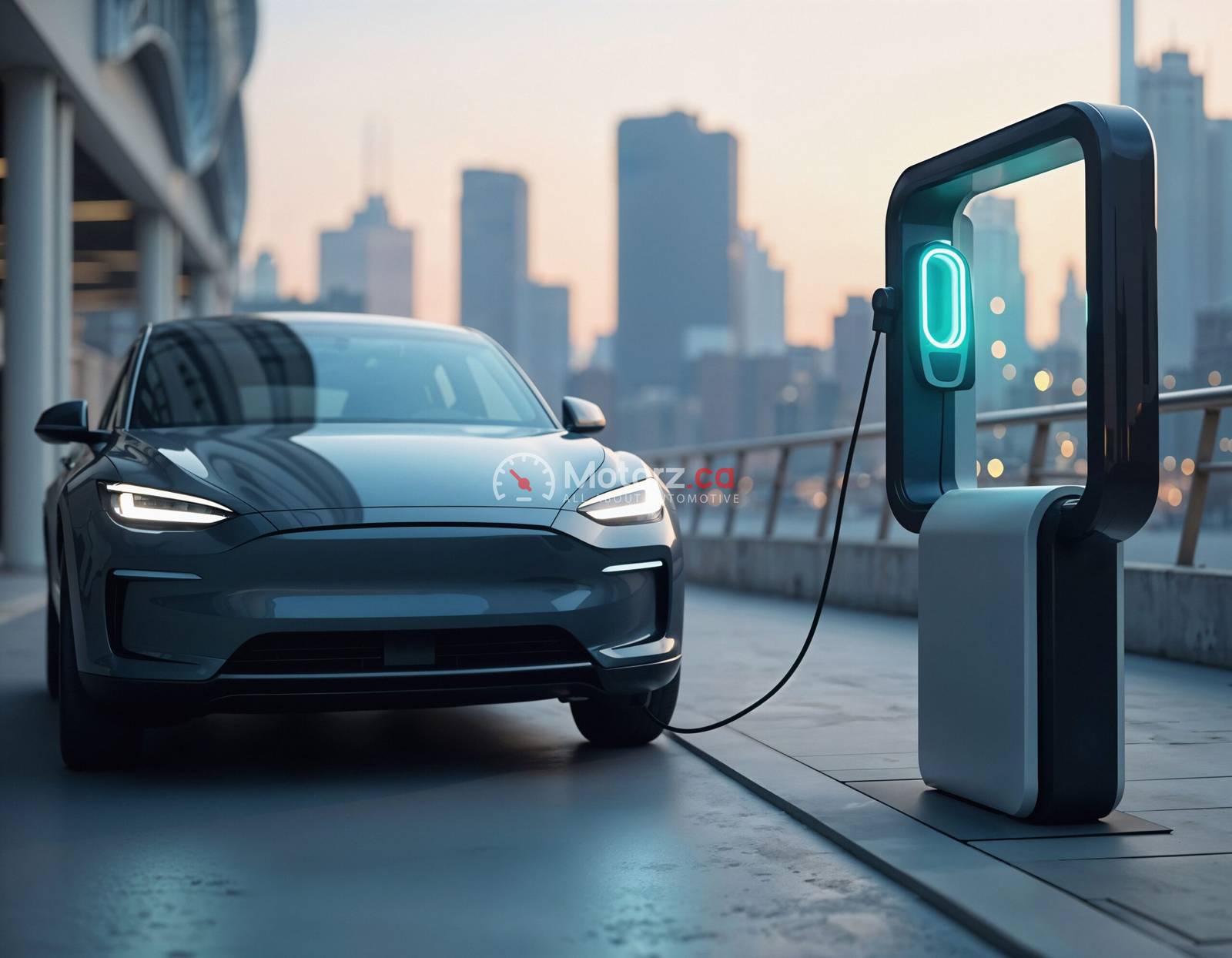

The Quiet Revolution: Electric Vehicles at the Race Track
For decades, the soundtrack of a motorsport event has been the deafening roar of internal combustion engines. But a quiet revolution is underway. EV Charging in Ontario are not just for the daily commute anymore; they are rapidly making their presence felt in the world of high-performance driving. From the instant torque of a Tesla Model 3 Performance on a track day to the futuristic whine of Formula E cars, electric vehicles are proving that sustainability and speed can go hand in hand.
For the Ontario motorsports enthusiast considering the switch to an EV Charging in Ontario, or for the new EV owner curious about the track, a new question arises: “Where do I charge?” The logistics of EV charging, especially when planning a trip to a remote race track, are a key consideration. This comprehensive guide will navigate the changing landscape of EV charging in Ontario, with a specific focus on what matters to those who live for speed.
The EV Charging in Ontario Landscape in Ontario: A Quick Overview
Ontario has a robust and growing EV Charging in Ontario network, but it’s not uniform. Understanding the different types of chargers and the major networks is the first step to a stress-free experience.
The Three Levels of Charging
Level 1 (120V AC): This is your standard wall outlet. It’s the slowest, providing only a few kilometers of range per hour. While useful for overnight top-ups at home, it’s not practical for a track day where you need a quick recharge between sessions.
Level 2 (240V AC): The most common public charging option, Level 2 chargers provide a good balance of speed and accessibility. They’re often found at hotels, shopping malls, and, increasingly, at some public venues near race tracks. They can typically add EV Charging in Ontario of range per hour, which is great for a full day of spectating, but still slow for a quick turnaround.
Level 3 / DC Fast Charging (DCFC): This is the holy grail for a motorsports enthusiast on the go. DC fast chargers can add hundreds of kilometers of range in less than an hour, making them essential for long road trips to the track and for getting a significant charge between sessions.
Major Charging Networks to Know
Ivy Charging Network: A partnership between Hydro One and EV Charging in Ontario, Ivy is the largest fast-charging network in the province. With a focus on major highway corridors and public areas, it’s your go-to for long-distance travel to and from the tracks.
FLO: A major Canadian charging network with a wide variety of Level 2 and Level 3 chargers. You’ll find them in many public and commercial parking lots.
Electrify Canada: A rapidly expanding network of EV Charging in Ontario fast chargers, often located at Canadian Tire, Walmart, and other major retail locations.
Tesla Supercharger Network: Once exclusive to Tesla owners, many Superchargers are now being opened up to other EV brands, significantly expanding the fast-charging options in Ontario.
Charging at the Track: A Reality Check
While the EV revolution is in full swing, the motorsport world is still playing catch-up. Unlike a gas station with a predictable pump, EV charging infrastructure at the tracks themselves is not yet standard.
The Big Question: Does Your Favorite Track Have Chargers?
Canadian Tire Motorsport Park (CTMP): A major hub for motorsport, but its charging infrastructure is still developing. While there may be some EV Charging in Ontario chargers available at nearby accommodations or businesses in Bowmanville, you should not count on finding fast chargers on-site.
Toronto Motorsports Park (TMP): Located in Cayuga, TMP is a little more remote. While public charging stations are available in nearby towns like Caledonia and Hamilton, you will need to plan your charge stops carefully to and from the track.
Calabogie Motorsports Park: Tucked away in a beautiful, but remote, area, Calabogie is a destination track. There are some Level 2 and Level 3 chargers available in the nearby town of Calabogie, but they are limited. A full charge before you get there is EV Charging in Ontario.
Grand Bend Motorplex & Shannonville Motorsport Park: Similar to the others, these tracks are not yet equipped with on-site fast charging. Your best bet is to use a charging app to locate nearby stations in the surrounding communities.
Practical Tips for the EV Track Day Enthusiast
Plan Ahead: Don’t assume. Use apps like PlugShare or ChargeHub to locate and verify charging stations near the track and along your route. Check reviews and recent check-ins to make sure the chargers are working.
The “Limp Home” Strategy: For a track day, you’ll likely use a lot of power. Your car’s performance mode will drain the battery quickly. Plan your day with “limp home” in mind—EV Charging in Ontario, leave enough charge to comfortably get to the nearest fast charger or home.
The Power of the J1772 Connector: Most public Level 2 chargers use the J1772 connector, which is the standard in North America. Keep a charging cable with this connector in your car at all times.
The Future is Electric: What’s Next for Ontario Motorsport?
The lack of on-site charging at tracks today doesn’t mean it will be this way forever. The motorsport world is embracing electrification, and EV Charging in Ontario is a key player in this transition.
From Track Day Cars to Racing Series
More EVs on the Track: As performance EVs like the Porsche Taycan, Ford Mustang Mach-E GT, and various Tesla models become more common, the demand for on-site fast charging at race tracks will grow. Track day organizers and track owners are keenly aware of this and are already beginning to explore solutions.
The Rise of Electric Racing: While still a niche, EV Charging in Ontario racing series are gaining traction. Formula E is a global phenomenon, and we could see similar series or events emerge in Canada, pushing tracks to invest in high-speed charging infrastructure.
Battery Technology and Charging Speed: The next generation of EVs will feature even faster charging speeds (e.g., 800V architecture), and battery technology will continue to improve, reducing “range anxiety” and the time spent charging.
Ontario’s Role in the EV Ecosystem
Ontario is not just adopting EV Charging in Ontario; it’s building them. Major investments from automakers like Ford and Honda in the province’s manufacturing sector are focused on EV production, establishing an end-to-end electric supply chain. This commitment to an electrified future will undoubtedly trickle down to the motorsport community, paving the way for more seamless EV ownership and track-day experiences.