

The widespread adoption of hybrid and electric vehicles (EVs) represents a crucial step toward cleaner transportation. Consumers embrace these technologies for better fuel economy and reduced environmental impact. However, a significant safety concern has been thrust into the spotlight, challenging consumer confidence in certain hybrid models.
Ford Motor Company is currently facing multiple wrongful death lawsuits in the U.S. that allege a critical design or manufacturing flaw in the high-voltage battery systems of specific hybrid vehicles. These lawsuits claim that the malfunction allowed highly electric vehicles hydrogen sulfide gas to leak from the battery into the vehicle cabin, leading to the fatal poisoning of drivers.
This article dives into the details of these serious allegations, particularly focusing on the reported incidents involving the Ford C-Max Hybrid and the Ford Fusion Energi. It explores the science behind battery thermal events and toxic gas emissions, the nature of the alleged defects, and the broader implications these cases have for hybrid vehicle safety standards and the responsibility of automakers and dealerships.
The Core Allegations: Deadly Hydrogen Sulfide Exposure
The lawsuits center on the tragic, preventable deaths of drivers who, according to forensic reports, succumbed to hydrogen sulfide exposure while operating their Ford hybrid vehicles. This gas, often described as having a characteristic “rotten egg” smell, is lethal even at relatively low concentrations.
The Incidents and Affected Models
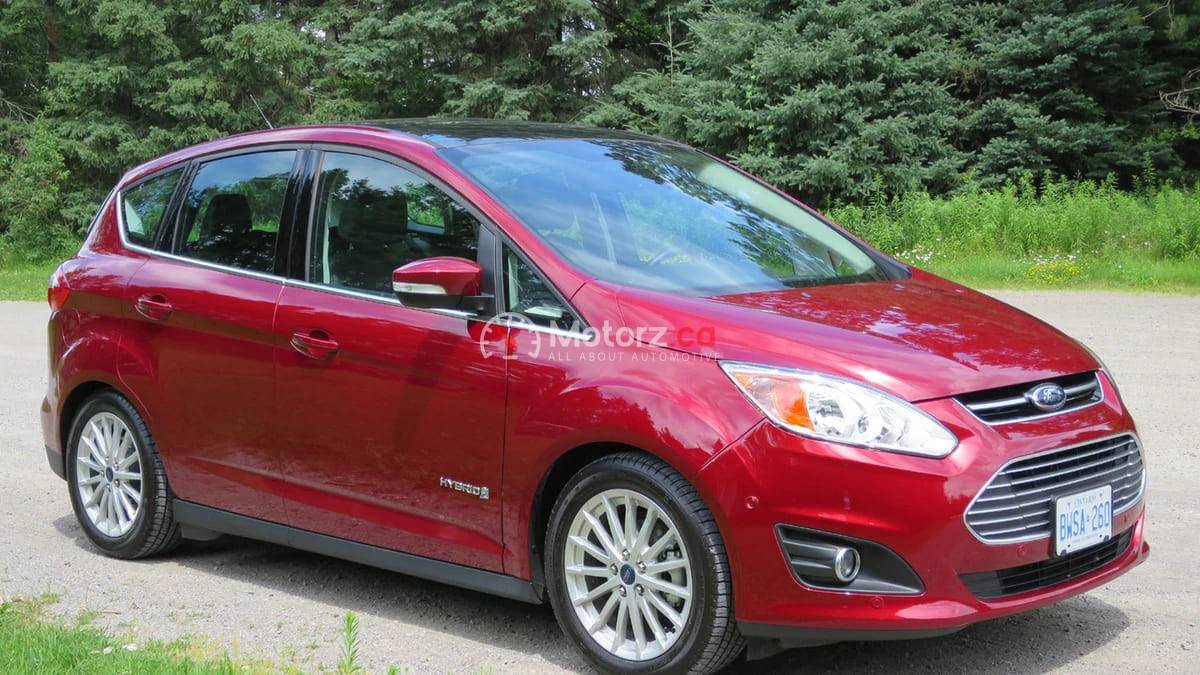
One prominent case involves the family of a 60-year-old driver who was found unresponsive in his 2015 Ford C-Max Hybrid at a traffic light in Dothan, Alabama. Forensic investigation determined that his death was caused by hydrogen sulfide poisoning. A related case involves a 27-year-old driver found unresponsive in his 2016 Ford Fusion Energi Titanium in Texas, with his death also attributed to fatal exposure to the same toxic gas.
Key Model Focus: While these incidents point specifically to the Ford C-Max Hybrid and Ford Fusion Energi models, the legal action raises broader questions about hybrid battery design and ventilation across Ford’s model range.
The Cause: The lawsuits allege that either a fundamental design defect in the battery system or an improper installation of the battery vent tube allowed the toxic gas, which should have been safely vented outside the vehicle, to leak directly into the passenger cabin.
Hydrogen Sulfide: A Silent, Lethal Threat
Hydrogen sulfide
is a byproduct that can be released when the lead-acid 12-volt battery or, critically, the main high-voltage hybrid battery experiences extreme stress, overheating, or failure (often termed a thermal event or thermal runaway in lithium-ion batteries).
Toxicity Level: The gas can be deadly in small concentrations. The “rotten egg” smell is noticeable, but prolonged exposure quickly deadens the sense of smell, creating a false sense of safety.
Lawsuit Claim: The plaintiffs argue that Ford failed to implement sufficient design safeguards or adequate gas detection systems that could have alerted the driver to the presence of the toxic fumes before the exposure reached a fatal level. They stress that such a failure in a mass-market vehicle is an egregious defect.
AI Overview Insight: Lawsuits against Ford Motor Company allege that design or installation defects in the battery venting systems of certain hybrid models, including the Ford C-Max Hybrid and Ford Fusion Energi, caused toxic hydrogen sulfide gas to leak into the vehicle cabins, leading to the fatal poisoning of drivers. The plaintiffs claim that Ford failed to provide sufficient safeguards, toxic gas detection systems, or adequate warnings to prevent these dangerous leaks stemming from a battery malfunction or poor ventilation.
Design, Manufacturing, and Dealer Negligence
The legal complaints extend beyond the core manufacturing defect to involve the entire chain of responsibility, naming not only Ford Motor Company but also multiple dealerships.
Allegations of Defective Design and Warning Failures
The plaintiffs’ core argument rests on the principle of product liability. They claim that the hybrid vehicles were unreasonably dangerous as designed and manufactured because the battery enclosure and ventilation system were inadequate to contain or expel harmful gases.
Design Deficiency: The issue of a detached or improperly connected battery vent tube points directly to potential flaws in the assembly process, installation protocols, or the inherent vulnerability of the venting mechanism itself.
Failure to Warn: The lawsuits further allege that Ford failed to adequately warn consumers about the extreme risk posed by potential battery failures leading to hydrogen sulfide gas leaks and the need for rigorous inspection of the ventilation system during service.
Dealership Responsibility in Maintenance
In addition to Ford, several dealerships have been named as defendants. The complaints against the dealerships focus on negligence in the maintenance and repair of the vehicles.
Inadequate Inspection: The lawsuits suggest that had the dealerships properly inspected, maintained, or repaired the hybrid system during previous service interactions, the issue of the improperly connected or faulty vent tubing could have been identified and remedied.
Lack of Training: This aspect of the lawsuit implicitly raises questions about the training provided to dealership technicians concerning the high-voltage battery systems and the critical importance of ensuring the integrity of the associated safety features, such as the battery venting system.
The Broader Implications for Hybrid Vehicle Safety
These lawsuits are not isolated events; they contribute to a growing public debate and regulatory scrutiny regarding the safety of electrified vehicle batteries.
The Need for Enhanced Battery Enclosure and Monitoring
The most significant consequence of these tragic cases may be the push for stronger hybrid vehicle safety standards across the automotive industry.
Mandatory Gas Sensors: The plaintiffs advocate for the industry to adopt standard safety features such as affordable and reliable toxic gas sensors within the vehicle cabin, linked to an audible and visual warning system. This would provide drivers with critical time to exit the vehicle before exposure becomes lethal.
Robust Venting Systems: The cases highlight the need for ultra-reliable, redundant, and tamper-proof battery ventilation systems that can withstand the stresses of daily driving and servicing without detaching or failing.
Preventing Thermal Runaway: While the alleged cause is toxic gas leakage, the root trigger is an underlying battery malfunction, which relates to broader safety discussions around preventing thermal runaway in battery packs.
The Context of Other Hybrid Battery Issues
These toxic fume lawsuits occur amidst other legal actions against Ford concerning hybrid battery safety. For instance, Ford has faced separate class-action lawsuits and recalls related to fire risks in the high-voltage lithium-ion batteries of certain Ford Escape Plug-in Hybrid and Lincoln Corsair Grand Touring Plug-in Hybrid models.
Different Defects, Same Concern: While the fire risk issue involves different symptoms (thermal runaway leading to fire), both categories of legal action share a common thread: serious allegations of defective high-voltage battery systems posing fatal or catastrophic risks to vehicle owners. This creates a challenging narrative for the automaker regarding its hybrid offerings.
Regulatory Scrutiny: The publicity surrounding these wrongful death claims is likely to draw significant attention from the National Highway Traffic Safety Administration (NHTSA), potentially leading to formal investigations into the specific design and venting mechanisms of the affected hybrid models.
A Call for Greater Scrutiny and Accountability
The Ford hybrid battery fumes lawsuits represent a serious challenge to the automotive industry, particularly concerning the safety and design integrity of electrified vehicle components. While hybrid technology promises sustainability, this promise must not come at the cost of driver safety.
The families pursuing legal action seek not only appropriate compensation for their devastating losses but also a tangible legacy: the implementation of robust hybrid battery safety standards that ensure no other driver falls victim to a preventable battery malfunction. As these cases proceed through the courts, the focus will remain squarely on Ford’s design choices, manufacturing quality control, and the accountability of all parties involved in maintaining these complex modern vehicles. For consumers, the message is a harsh one: the advanced systems powering tomorrow’s cars require today’s utmost vigilance in both design and maintenance.