

Ford Brake System Faults in Escape is facing new safety challenges as it announces a series of significant recalls affecting thousands of its popular SUV and luxury crossover models, including the Ford Escape, the Lincoln MKT, and the Lincoln Navigator. These recalls cover a range of serious issues, from critical component failures that could lead to engine fires to defects that compromise basic safety features like power braking assist and exterior trim integrity.
For owners of affected model years—which span the 2015-2025 range for various issues—understanding the specific defect, the immediate safety risk, and the necessary repair is paramount. Ignoring a recall, particularly one involving fire risk or braking failure, puts drivers and passengers in direct danger.
This comprehensive guide breaks down the three main concerns affecting these key Ford and Lincoln vehicles, outlines the affected model years, and provides the essential steps owners must take immediately to secure their free, life-saving repairs.
Major Defect 1: Brake System Faults in Escape
A recent recall involves a potentially simple component failure that poses a significant safety risk on the road: detaching exterior pieces on the Ford Escape.
The Detaching Liftgate Hinge Covers on the Ford Escape
This issue affects a large volume of the popular compact SUV, highlighting a fundamental problem with manufacturing adhesion.
Affected Vehicles: Specific 2020-2022 and 2025 Ford Escape models.
The Problem: The liftgate hinge covers (the plastic trim pieces covering the hinges at the top of the rear hatch) may not be properly secured and could detach from the vehicle while driving.
Safety Risk: If a liftgate hinge cover detaches at speed, it becomes road debris, increasing the risk of injury to other motorists and pedestrians.
The Remedy: Ford dealers will inspect the hinge covers, reinstall any missing pieces, and ensure they are properly secured, free of charge to the owner.
Critical Past Recalls: Engine Fire Risks in Escape and Maverick Hybrids
While the detaching trim is the most recent compliance issue, Ford Escape owners should be acutely aware of a major previous recall involving a significant fire risk in hybrid models.
Affected Vehicles (Previous Recall): Certain 2020-2023 Ford Escape vehicles equipped with 2.5L HEV/PHEV (Hybrid/Plug-in Hybrid) engines.
The Problem: Engine failures in these models, often due to manufacturing issues in the cylinder head, can cause a breach in the engine block or oil pan. This breach allows engine oil and/or fuel vapor to be released and accumulate near hot exhaust components.
Extreme Safety Risk: The accumulation of flammable materials near an ignition source creates a severe risk of under-hood fire, localized melting of components, or smoke.
Owner Action: Owners of these hybrid models must not ignore this critical recall. Ford advises safely parking and shutting off the engine immediately if they hear loud, unexpected engine noises, experience sudden power loss, or see smoke. The remedy typically involves a software update to the Powertrain Control Module (PCM) to mitigate risk, and for some specific years (e.g., certain 2023 models), a full engine long block replacement.
Major Defect 2: Loss of Power Brake Assist in Lincoln Navigator
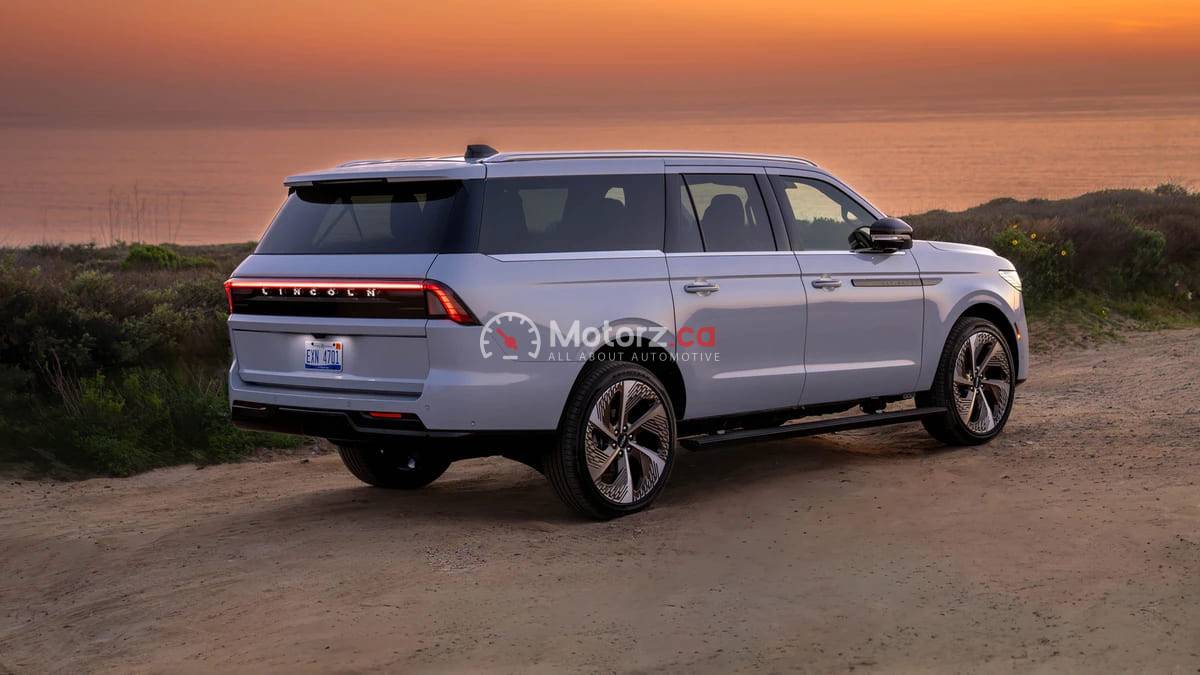
A major safety recall involving the braking system affects the premium SUV segment, targeting recent model years of the Lincoln Navigator.
Electronic Brake Booster (EBB) Module Malfunction
This defect is particularly concerning as it directly impacts a primary safety system responsible for emergency stopping.
Affected Vehicles: Specific 2025 Lincoln Navigator vehicles (along with certain Ford F-150, Expedition, Bronco, and Ranger models).
The Problem: A manufacturing flaw in the Electronic Brake Booster (EBB) module can cause the system to unexpectedly enter a fail-safe mode, especially while driving or when Advanced Driver Assistance Systems (ADAS) features are engaged.
Safety Risk: The malfunction results in a sudden loss of power brake assist. While the vehicle can still be stopped using manual effort on the pedal, the stopping distance is significantly extended, which dramatically increases the risk of a crash.
The Remedy: Ford is addressing this issue with a software update for the EBB module, which is being deployed Over-The-Air (OTA) or performed by a dealer, free of charge. In some cases, dealers may need to replace the suspect EBB module entirely.
Other Navigator Issues: Mirror Lights and Oil Leaks
The Navigator has also been subjected to recalls for fire risk in older models and engine issues in recent ones.
Exterior Mirror Logo Light Fire Risk: Certain 2015-2017 Lincoln Navigator vehicles were recalled because the LED logo lights (which project the Lincoln emblem) on the exterior mirrors could short circuit, increasing the risk of fire. The remedy involves disconnecting the LED light wires.
Engine Oil Leak Risk: Certain 2024 Lincoln Navigator models equipped with a 3.5L GTDI engine faced a recall due to a potentially misaligned engine cup plug. A rapid oil leak from this plug can lead to an engine stall, increasing crash risk, and the leaking oil could ignite on hot engine components, increasing fire risk. The repair involves inspecting and replacing the cup plug if necessary.
Major Defect 3: Detaching Trim on Lincoln MKT
The Lincoln MKT, a luxury crossover model, is involved in a recall focused on a body component that, when detached, becomes a road hazard and compromises the vehicle’s integrity.
B-Pillar Door Trim Detachment
This recall specifically targets the exterior trim piece located between the front and rear doors.
Affected Vehicles: Specific 2016–2019 Lincoln MKT vehicles.
The Problem: The driver and front passenger door appliqué (the exterior trim piece covering the B-pillar) may come loose due to inconsistent adhesion during the manufacturing process.
Safety Risk: If the trim piece detaches while the vehicle is in motion, it can pose a hazard to other drivers. While not directly compromising structural integrity in a crash, it is a significant component failure that Ford must address.
The Remedy: Lincoln dealers will remove the potentially defective trim pieces and secure the new or existing pieces properly with sufficient adhesive to ensure permanent attachment.
Lincoln MKT’s Historical Suspension and Fuel Pump Issues
Owners of the MKT may also have older, critical safety recalls that require attention, including:
Rear Suspension Toe Link Fracture: Certain MKT models (2013-2018) were recalled due to rear suspension toe links that could fracture, leading to a sudden loss of vehicle control and increasing the risk of a crash. The remedy involved replacing the rear suspension toe links.
Fuel Pump Module Overheating: Older MKT models (2013-2015) were recalled for a fuel pump electric module (PEM) that could overheat, leading to a loss of power to the fuel pump. This causes the engine to stall or prevents the vehicle from starting, increasing the risk of a crash.
Owner Action Plan: What You Must Do Now
Safety recalls are mandatory, free of charge, and essential for maintaining the safety and resale value of your vehicle.
Verify Your Vehicle’s Recall Status
The most crucial step is determining if your specific vehicle is included in any of these recalls. Do not rely solely on the model year ranges provided in general announcements; only a Vehicle Identification Number (VIN) lookup is definitive.
Locate Your VIN: The 17-character VIN is typically found on your registration, insurance card, or on a small plate visible through the driver’s side of the dashboard where it meets the windshield.
Use Official Tools: Utilize the National Highway Traffic Safety Administration (NHTSA) Recall Lookup Tool or the official Ford/Lincoln Owner Support website. Enter your VIN to check for any open safety recalls.
Owner Notification: Ford and Lincoln are required to notify registered owners by mail, providing instructions on the defect, the risk, and the scheduled remedy. However, these letters can sometimes be delayed or miss new owners.
Scheduling the Free Repair
Once an open recall is confirmed, act quickly:
Contact Your Dealer: Call your local authorized Ford or Lincoln dealership’s service department immediately to schedule the recall repair. These repairs are always performed free of charge under federal safety regulations, regardless of the vehicle’s warranty status or age.
Ask About Interim Advice: For fire-risk recalls (like the HEV/PHEV Escape engine issue), ask the dealer if there is any interim guidance, such as the “park outside” advice sometimes issued for fire-risk components, until the final parts or software fix is ready.
Document Everything: Keep all correspondence, service receipts, and documents related to the recall repair for your vehicle’s history.
The Broader Context of Automotive Recalls
It is important for consumers to view recalls as a necessary part of modern vehicle manufacturing, not necessarily a sign of a bad product, but a sign of a functioning safety system.
NHTSA’s Role: The NHTSA plays a crucial role in regulating vehicle safety by investigating defects and ensuring manufacturers issue timely recalls. The system is designed to catch and remedy issues before they cause widespread harm.
Complexity of Modern Vehicles: Today’s vehicles, including the Ford Escape, Lincoln MKT, and Navigator, feature complex electronic control systems (like the EBB module) and intricate mechanical assemblies. Manufacturing deviations in highly complex components are common across the industry, making recalls a regular occurrence for all major automakers.
By staying vigilant, utilizing the official VIN look-up tools, and promptly scheduling repairs, owners of the affected Ford and Lincoln models can ensure their vehicles remain safe and reliable for the road ahead.