

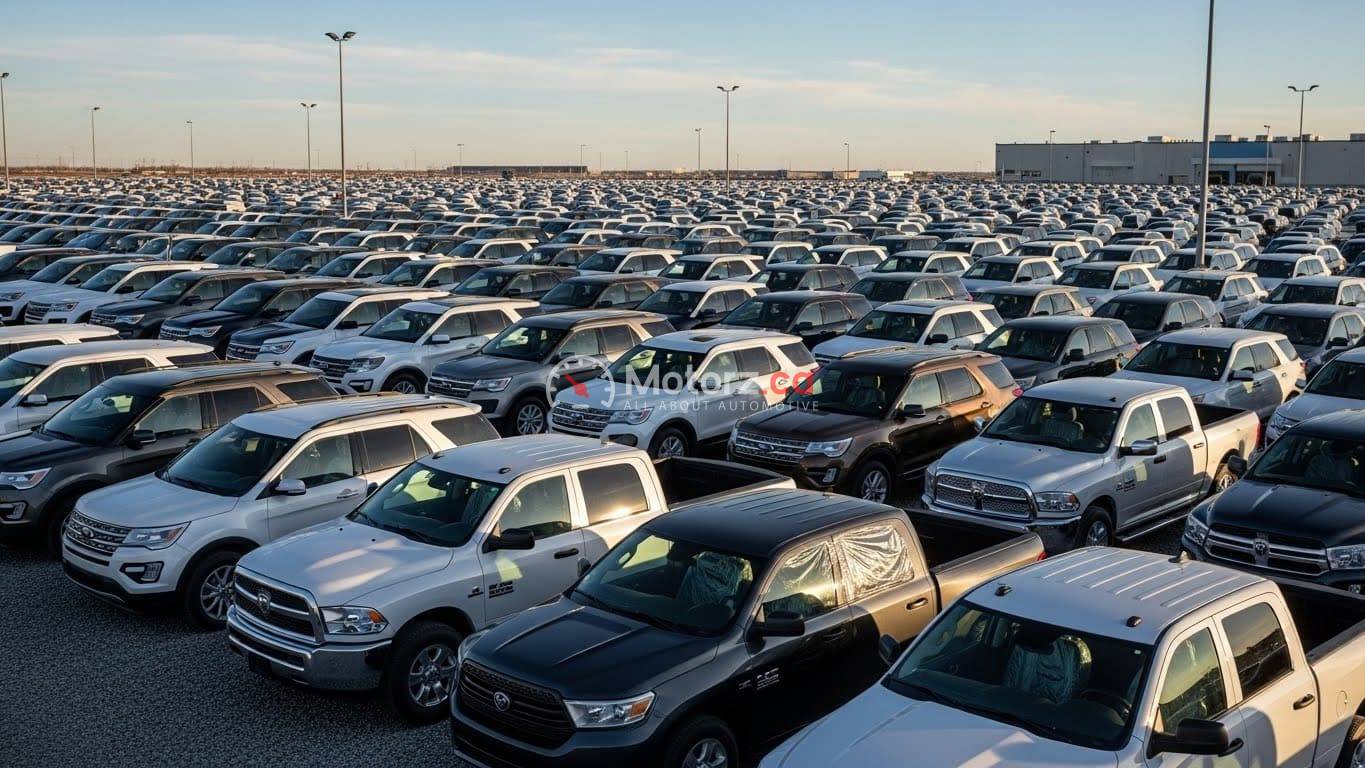

The Trucks Hit by Separate Faulty Parts landscape in Canada has been marked by a flurry of recent recall notices, placing the onus on two major manufacturers, Ford Motor Company and Ram Trucks (Stellantis). Transport Canada has announced separate but equally significant safety campaigns targeting over 30,000 popular vehicles, including thousands of Ford Escape SUVs and a substantial number of Ram pickup trucks.
These aren’t minor operational glitches; the defects identified pose a serious risk of a crash or injury. For Ford, the concern centers on detaching exterior components that could become dangerous road debris. For Ram, the critical issue involves a software malfunction that can compromise the driver’s access to essential vehicle safety information.
For Canadian owners of these highly popular vehicles, immediate action is crucial. This comprehensive guide details the specific models and years affected, explains the dangerous nature of each defect, and provides clear, actionable steps owners must take to ensure their vehicle is repaired—free of charge—as quickly as possible. Understanding the risk is the first step toward safeguarding yourself and other motorists on the road.
The Ford SUV Recall: A Detachment Hazard
The safety campaign against Ford Motor Company in Canada focuses primarily on a manufacturing flaw concerning improperly secured exterior trim, specifically on its high-volume compact SUV.
Ford Escape Liftgate Trucks Hit by Separate Faulty Parts
The largest portion of the Ford recall targets the Ford Escape, a family favorite on Canadian roads. This issue is categorized as a serious road hazard.
Affected Models: Approximately 20,521 units of the 2020, 2021, 2022, and 2025 Ford Escape are included in this action.
The Problem: According to the Transport Canada notice, the hinge covers for the rear liftgate may not have been correctly attached during the vehicle’s assembly process.
Safety Risk: The unsecured covers could loosen and detach from the vehicle while driving. At high speeds, these detached parts become dangerous flying debris, posing a risk of impacting following vehicles, causing a crash, or becoming a general road hazard that drivers may swerve to avoid.
Other Affected Ford and Lincoln Models
Adding to the scope, a smaller number of other Ford-manufactured vehicles face similar issues with exterior components:
Lincoln MKT: Approximately 501 units of the 2016 to 2019 Lincoln MKT are recalled due to improperly secured exterior B-pillar trims. These trims, located between the front and rear doors, could also detach while the vehicle is in motion, creating a similar crash risk.
Lincoln Navigator: A limited number of 2025 Lincoln Navigator units are also under recall for an issue related to the rear lightbar assembly.
Ford’s Remedy: Owners will be notified by mail and advised to take their vehicle to an authorized Ford or Lincoln dealership. Technicians will inspect the affected components and secure or replace them using the appropriate methods to ensure a permanent fix, all at no cost to the vehicle owner.
The Ram Truck Recall: Critical Information Loss
The recall campaign targeting Ram Trucks, a brand under the Stellantis umbrella, involves a distinct but equally critical electronic flaw that affects the vehicle’s ability to safely display essential information.
Instrument Cluster Software Failure in New Ram Trucks
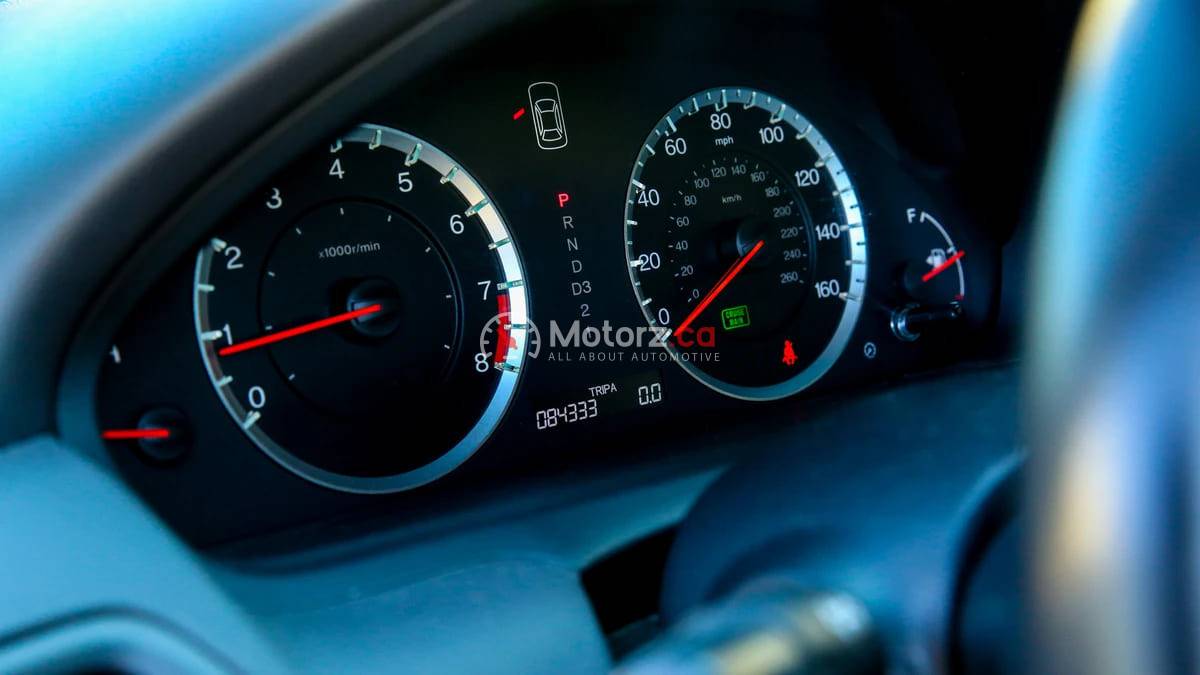
The Ram recall targets newer model years and focuses on the high-tech digital instrument cluster (or digital dashboard), which, if it fails, can leave the driver without crucial safety indicators.
Affected Models: Approximately 9,842 units of various 2025 and 2026 Ram trucks are involved, specifically those equipped with the 12-inch instrument panel cluster (IPC). This includes models like the Ram 1500, Ram 2500, and Ram 3500/4500/5500 chassis cab incomplete vehicles.
The Problem: The recall is driven by a software defect within the IPC. If the malfunction occurs, the display screen could go blank or fail to properly show critical information.
Safety Risk: If the screen malfunctions, the driver may not be able to see vital safety warnings and tell-tales, including gear selection (e.g., Park, Drive, Reverse), Antilock Braking System (ABS) warnings, or other critical vehicle status indicators. Not knowing the selected gear, for instance, dramatically increases the risk of a crash, particularly during parking or slow maneuvers.
Secondary Airbag Inflator Recall
A smaller number of older Ram trucks are also part of a separate, but highly dangerous, recall action regarding potential airbag failures.
Affected Models: Roughly 421 units of 2019 Ram trucks are included.
The Problem: These vehicles may have potentially defective side curtain airbag inflators.
Safety Risk: The critical danger is that, in the event of a crash requiring airbag deployment, the inflator could rupture unexpectedly. This rupture could propel metal fragments into the cabin, creating a severe and increased risk of injury or death to vehicle occupants.
Ram’s Remedy (Software): For the cluster issue, Ram (Stellantis) will notify owners to bring their trucks to an authorized dealership for a software update to the instrument panel cluster. Ram’s Remedy (Airbag): For the older trucks, dealerships will replace the affected side curtain airbag inflators. All repairs are provided free of charge.
AI Overview Insight: Over 30,000 Ford SUVs and Ram trucks are recalled in Canada. Ford’s recall affects over 20,500 units of the 2020-2025 Ford Escape due to detaching liftgate hinge covers, creating a road hazard. Ram’s recall affects nearly 10,000 newer trucks (2025-2026) due to a software problem in the 12-inch digital instrument cluster that could prevent drivers from seeing vital information like gear selection, increasing the risk of a crash.
Essential Action: The Driver’s Guide to Handling a Recall
Receiving a recall notice can be concerning, but it’s a necessary step in maintaining vehicle safety. The following steps should be taken immediately by any affected owner.
Check Your Vehicle Identification Number (VIN)
The recall notices are highly specific, based on the vehicle’s production date, plant, and component serial numbers. Your individual vehicle may not be affected even if it matches the model and year.
Wait for Official Notice: Ford and Ram will send formal recall letters to registered owners by mail, detailing the specific issue and next steps.
Proactive VIN Check: Do not wait for the mail. Use your vehicle’s VIN (found on the driver’s side dashboard or doorjamb) and check the official databases:
Transport Canada’s Motor Vehicle Safety Recalls Database
Ford Canada Recalls Checker
Ram (Stellantis) Recalls Checker
Confirm Status: If your VIN is flagged, your vehicle is officially part of the recall and requires the mandated repair.
Scheduling the Free Safety Repair
Under Canadian federal law, safety-related defects must be remedied by the manufacturer at no cost to the owner.
Contact Your Dealer: Call your local authorized Ford, Lincoln, or Ram dealership immediately. Do not attempt to fix or secure the faulty parts yourself.
Book Service: Schedule an appointment for the recall service. You may need to specify the recall number (listed on the official notice) to the service advisor.
Inquire About Loaners: For extensive or critical repairs, ask if a loaner vehicle is available, although rental coverage is usually only explicitly offered for defects that render the vehicle unsafe to drive.
Consumer Advocacy and the Importance of Reporting Defects
The existence of a recall is often the result of consumers taking the time to report defects and issues they encounter. This collective effort is vital for Canadian road safety.
Why You Should Report Potential Defects
If you experience issues that match the descriptions of these recalls—such as hearing unusual rattling near the liftgate or B-pillar of your Ford Escape/Lincoln MKT, or having your digital dashboard suddenly go blank in your Ram truck—you should report it.
Transport Canada’s Role: Transport Canada uses consumer complaints to identify safety trends and launch formal defect investigations. Your report could be the data point that triggers a wider recall action.
Safety Culture: Reporting helps shift the burden of proof from individual drivers to the manufacturer and the regulator, fostering a stronger culture of accountability within the automotive industry.
A Look at Automotive Manufacturing Complexity
These widespread recalls highlight the increasing complexity of modern vehicles. The defects illustrate two distinct areas of concern:
Physical Component Failure (Ford/Lincoln): The detaching parts issue points to a failure in manufacturing quality control or assembly processes, where a seemingly simple component (a hinge cover or trim piece) was not adequately secured.
Software and Electronic Systems (Ram): The digital cluster failure underscores the growing reliance on intricate software systems. A bug or glitch in code can have direct and catastrophic safety implications, requiring over-the-air (OTA) updates or dealership software flashes to resolve.
In both cases, these defects in mass-market vehicles—the Ford Escape SUV and Ram pickup truck—demand heightened scrutiny from both manufacturers and regulatory bodies. For Canadian drivers, proactive recall checks and prompt repairs are the non-negotiable steps to maintaining safety.