Steering at Risk down a highway at 100 kilometers per hour, the last thing any driver wants to think about is their rear wheels suddenly deciding to steer in a different direction. Yet, for thousands of Ford owners in 2026, this mechanical nightmare has become a primary safety concern. Ford Motor Company has officially issued a high-priority recall affecting over 15,000 vehicles in Canada—and hundreds of thousands more in the United States—specifically due to a critical flaw in the rear suspension.
This isn’t just a minor rattle or a squeak. The issue centers on a component known as the rear toe link, a part of the suspension that is essential for maintaining wheel alignment and steering stability. When this part fails, the results can be catastrophic, leading to an unpredictable loss of control that puts drivers, passengers, and others on the road at serious risk.
In this comprehensive guide, we will break down exactly which vehicles are affected, the mechanical “root cause” of the failure, and the steps you need to take to ensure your SUV or car is road-ready and safe.
The Recall Breakdown: Which Steering at Risk Are At Risk?
Recalls of this magnitude often target specific production windows where a manufacturing defect or a change in suppliers occurred. For this 2026 campaign, the focus is on a group of Ford and Lincoln vehicles that have historically been workhorses in North America.
The Affected Lineup
The specific group of 15,281 vehicles in Canada (forming part of a much larger 400,000+ unit recall in the U.S.) includes:
Ford Explorer: Particularly those equipped with cross-axis ball joints (CABJ).
Ford Taurus: Specifically the SHO Performance Pack models and the Police Interceptor variants.
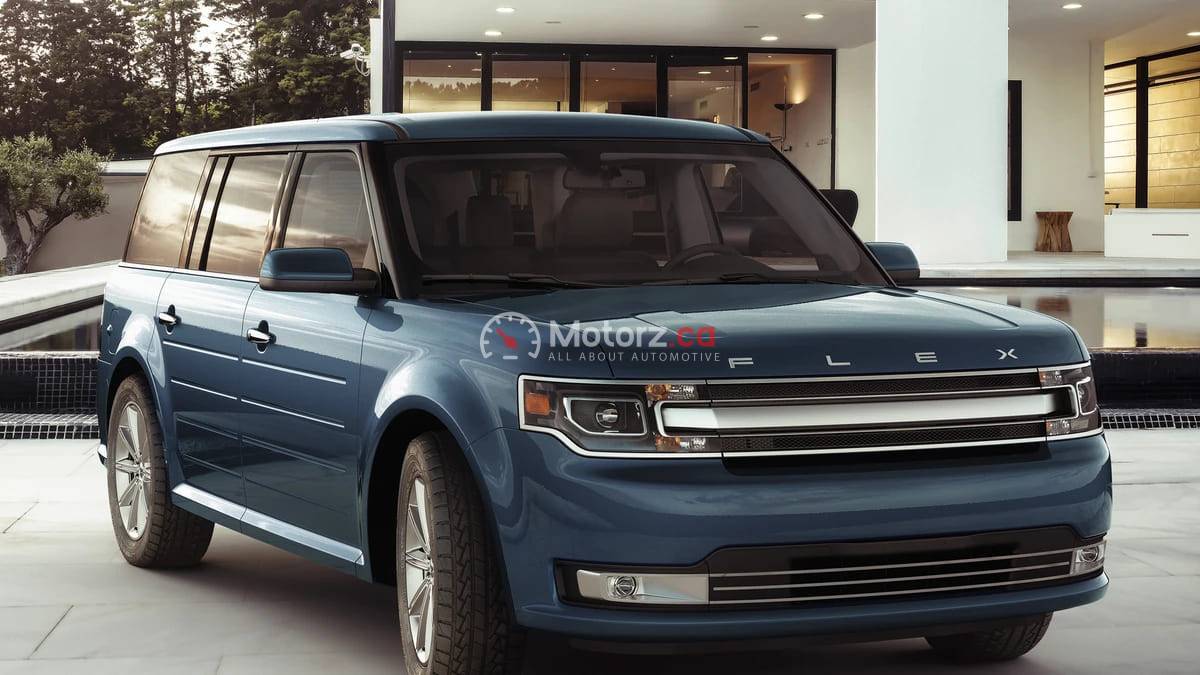
Ford Flex: Known for its boxy, practical design, certain production years are now under scrutiny.
Lincoln MKT: The luxury counterpart to the Flex, built alongside it in the Oakville, Ontario assembly plant.
The Geography of Corrosion
While any vehicle in these year ranges could be affected, Ford’s data shows that the risk is significantly higher in “salt-belt” regions. If you drive in provinces like Ontario, Quebec, or the Maritimes—or Northern U.S. states where road salt is used heavily in winter—your suspension components are under constant chemical attack that accelerates this specific failure.
Mechanical Deep Dive: What is a Rear Toe Link?
To understand why this recall is so dangerous, you need to understand the role of the rear suspension toe link.
Your Vehicle’s “Anchor”
In a modern multi-link suspension, the toe link is a metal arm that controls the “toe” of the rear wheels—essentially ensuring that the wheels stay parallel to each other and the direction of the vehicle.
The Point of Failure: The Ball Joint
The failure usually starts at the cross-axis ball joint (CABJ). This joint is supposed to allow for smooth movement as the suspension goes over bumps. However, due to either a design flaw or environmental factors, these joints can “seize” or lock up.
The Stress Loop: Once the ball joint seizes, it no longer rotates. Instead, the force of every bump and turn is transferred directly into the metal toe link arm itself.
The Fracture: Over time, this repeated “bending load” causes the metal to fatigue. Eventually, the toe link snaps or fractures completely.
Warning Signs: How to Spot a Failing Suspension
You don’t always have to wait for a letter in the mail to know something is wrong. A failing rear toe link often “talks” to the driver before it breaks entirely.
Audible Clues
If you hear a persistent clunking, knocking, or metallic rattling coming from the rear of the vehicle when driving over speed bumps or turning into driveways, your suspension needs an immediate inspection. This is often the sound of a ball joint that has already begun to seize or a link that has developed significant “play.”
Handling Characteristics
Because the toe link controls alignment, a fracture will cause the rear wheels to “self-steer.”
The “Wander”: You might feel the back of the car swaying or “fishtailing” slightly, even on a straight road.
Off-Center Steering: If your steering wheel is suddenly crooked while you are driving straight, it’s a sign that the geometry of your rear wheels has shifted.
The 2026 Remedy: What Ford Dealers are Doing
If your vehicle is part of the 15,281-unit Canadian recall (or the wider North American campaign), the repair process is straightforward but mandatory for safety.
The Forged Replacement
Ford has developed a newly designed, forged steel toe link. Unlike the original parts which may have been more susceptible to stress fractures, the replacement parts are significantly stronger and engineered to withstand the extra loads caused by potential ball joint seizure.
Cost and Time
Free of Charge: Under federal safety regulations, all recall repairs must be performed at no cost to the owner. This includes both parts and labor.
Service Time: The repair typically takes between two to four hours, depending on the level of corrosion and whether the rear wheel knuckle requires additional service.
Proactive Steps for Ford Owners
In 2026, recall information is more accessible than ever, but it requires the owner to take the first step.
VIN Verification: Visit the Ford Owner Support website or the NHTSA/Transport Canada recall databases. Enter your 17-digit Vehicle Identification Number (VIN) to see if your specific vehicle has an “incomplete” recall status.
Contact Your Dealer: Don’t wait for the clunking to start. If your VIN is flagged, schedule an appointment with your local Ford or Lincoln service department immediately.
Rust Protection: While the new parts are stronger, vehicles in cold climates should still consider annual underbody oil sprays (like Krown or Rust Check) to protect the new suspension components from the salt-induced corrosion that caused the original issue.
Safety Over Dejá Vu
For many Ford Explorer and Taurus owners, this recall feels like “déjà vu,” as the manufacturer has grappled with toe link issues for nearly a decade. However, the 2026 campaign represents a definitive effort to replace older, vulnerable designs with robust, forged components.
By staying informed and acting quickly, you can ensure that your SUV remains a reliable tool for your family rather than a safety liability. Remember: a suspension failure at highway speeds is an emergency you can prevent with a single phone call to your dealer.