

A Constant Challenge for Ontario Drivers
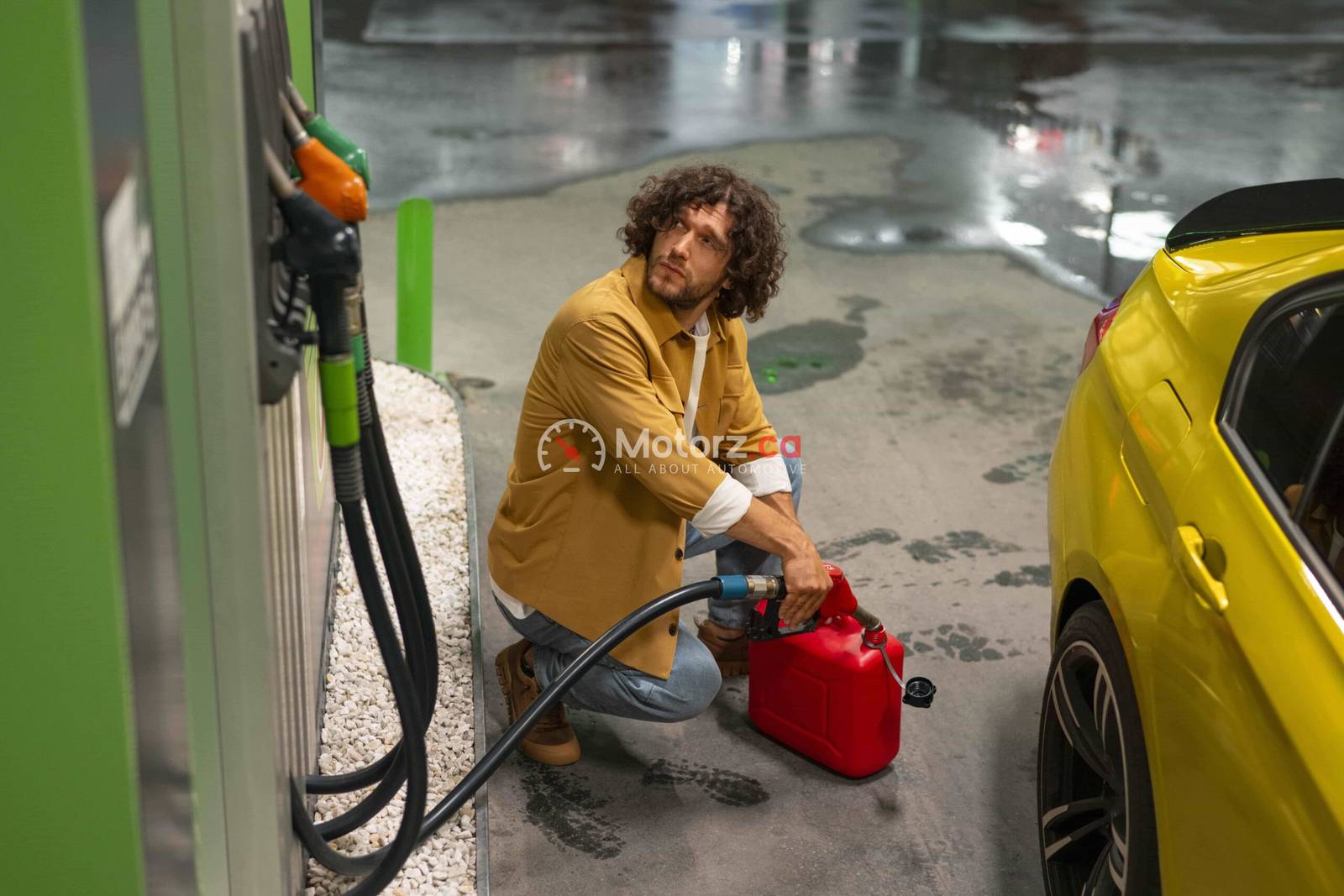
Every time you pull up to a gas station in Ontario Drivers, you’re faced with a new reality. The price of fuel fluctuates constantly, influenced by everything from global oil markets to local taxes. For many Ontarians, the cost of gasoline is a significant and often unpredictable part of their budget. But what if you could take back some control? While you can’t change the price per litre, you can change how efficiently your vehicle uses that fuel. The difference between a fuel-conscious driver and an inefficient one can add up to hundreds, if not thousands, of dollars saved over the course of a year.
This comprehensive guide is dedicated to helping Ontario drivers master the art of fuel efficiency. We’ll go beyond the obvious tips and provide actionable, practical advice tailored to our unique climate, driving habits, and road conditions.
The Low-Hanging Fruit: Simple Habits for Big Savings
Sometimes the biggest Ontario Drivers come from the smallest adjustments to your daily routine. These are the easiest and most effective ways to start saving gas immediately.
Defeat the Enemy of Fuel Economy: Idling
This is one of the most common and costly habits for Ontario drivers. Many of us idle our cars to warm them up in the winter or to run the air conditioning in the summer.
The Reality: According to Natural Resources Ontario Drivers, idling for just 10 minutes can burn between 300 to 500 millilitres of fuel, depending on the engine size. Idling for more than 10 seconds is actually less fuel-efficient than turning off your engine and restarting it.
The Ontario Factor: Many municipalities in Ontario Drivers have anti-idling bylaws in place, with fines that can reach up to $2,000. For most modern vehicles with fuel injection systems, it only takes about 30 seconds of driving for the engine to warm up properly. So, instead of letting your car sit and idle in the driveway, start it, give it about 30 seconds, and then drive gently for the first few kilometres to get the engine and fluids up to temperature.
Master the Smooth and Steady Drive
Aggressive driving is the number one killer of fuel economy. Jackrabbit starts, hard braking, and constant acceleration and deceleration burn a significant amount of extra fuel.
The Tip: Drive smoothly. Accelerate gently, Ontario Drivers traffic flow, and avoid last-minute braking. By looking ahead, you can coast to a stop rather than braking hard. Using cruise control on the highway is a fantastic way to maintain a consistent speed and get the best possible mileage.
The Maintenance Factor: Keep Your Car Healthy, Save Money
Your car’s health is directly linked to its fuel efficiency. Simple, routine maintenance can have a huge impact on your gas consumption.
The Power of Proper Tire Pressure
This is one of the easiest and most overlooked fuel economy hacks.
The Science: Under-inflated tires Ontario Drivers more rolling resistance, which forces your engine to work harder and burn more fuel. According to Natural Resources Canada, keeping your tires properly inflated can improve your fuel economy by up to 4%.
The Ontario Factor: The drastic temperature swings in Ontario Drivers, especially in winter, cause tire pressure to fluctuate significantly. Cold air causes the pressure in your tires to drop. Check your tire pressure at least once a month and adjust it to the manufacturer’s recommended PSI, which you can find on a sticker in your driver’s side door jamb.
Scheduled Tune-Ups and Regular Oil Changes
A well-maintained engine is an efficient engine.
The Importance: A dirty air filter can restrict Ontario Drivers to the engine, making it work harder and consume more fuel. Worn-out spark plugs can cause misfires and a drop in performance. By following your car’s recommended maintenance schedule and using the correct grade of motor oil, you ensure all of its systems are running at peak efficiency.
Lighten the Load
Every extra pound you carry in your car reduces your fuel economy.
The Tip: Remove unnecessary items from your trunk and Ontario Drivers. That old set of snow tires you’ve been lugging around, the golf clubs, or the kids’ sports equipment can all add up to a significant amount of weight. Similarly, remove roof racks and cargo carriers when they are not in use. At highway speeds, they create a huge amount of wind resistance and can reduce your fuel economy by 10-20%.
The Technology Advantage: Apps and Tools for Smarter Driving
In today’s connected world, there are several apps and tools that can help you become a smarter, more efficient driver.
Gas-Finder Apps
The Tool: Apps like GasBuddy are a must-have for any Ontario Drivers. They use real-time, user-submitted data to show you the lowest gas prices in your area. The price difference between two stations in the same neighbourhood can be significant, and these apps help you find the best deal without wasting fuel driving around.
Trip Planning and Navigation
The Strategy: Planning your trips is a simple but powerful way to save fuel. Combine multiple errands into a single trip to avoid cold starts, which are the most fuel-intensive part of any journey. Use navigation apps like Waze or Google Maps to find the most efficient route, avoiding congested areas and stop-and-go traffic that wastes fuel.
The Winter Challenge: Battling the Cold and Salt
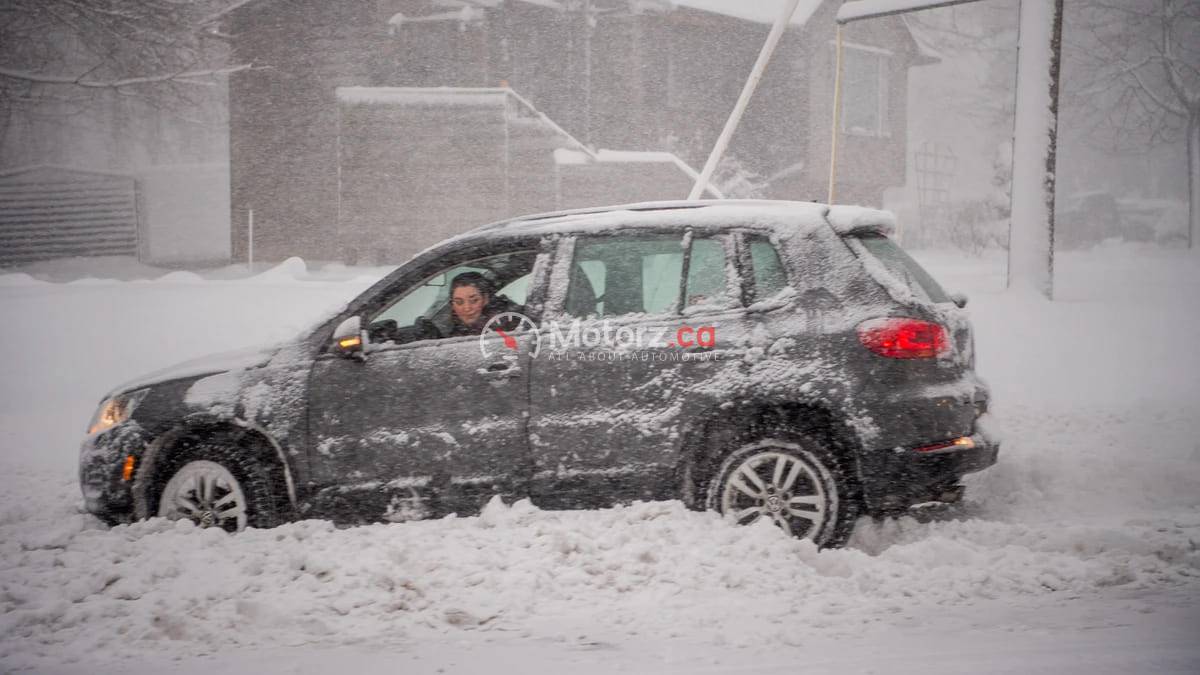
Ontario winters are a unique and brutal challenge for fuel Ontario Drivers. Here’s how to fight back.
The Right Tires
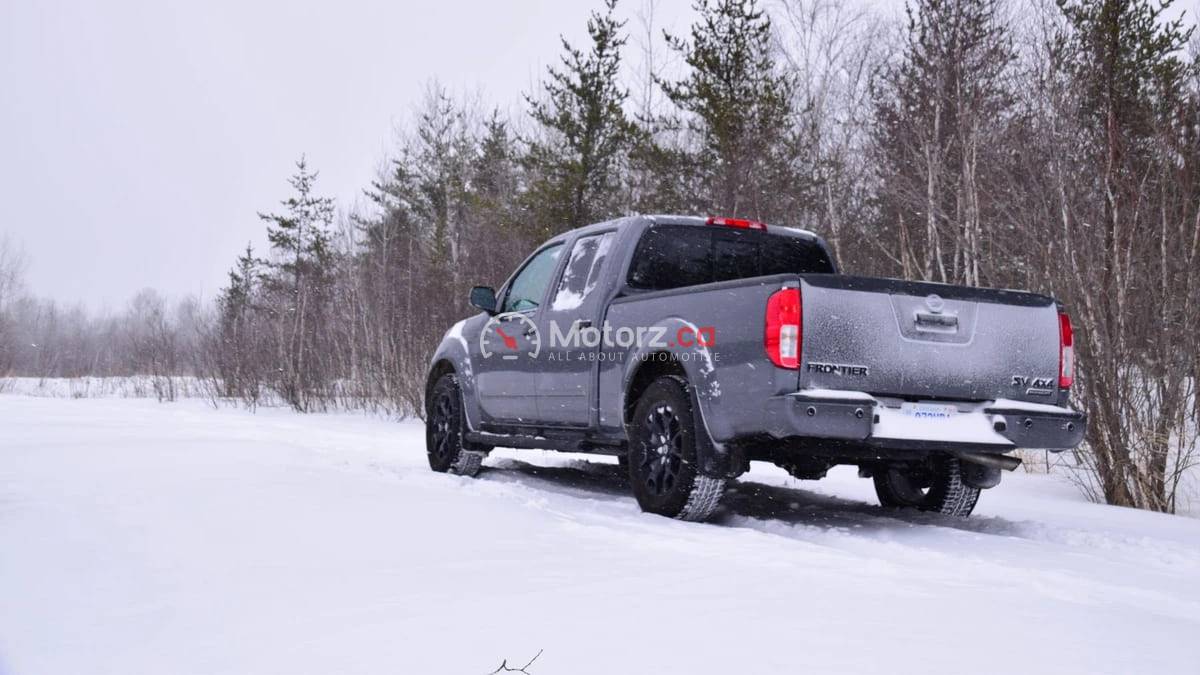
The Impact: While all-season tires are common, dedicated winter tires are a wise investment for more than just safety. They are designed to grip better on cold and icy roads, which reduces the effort your engine has to make to move the vehicle.
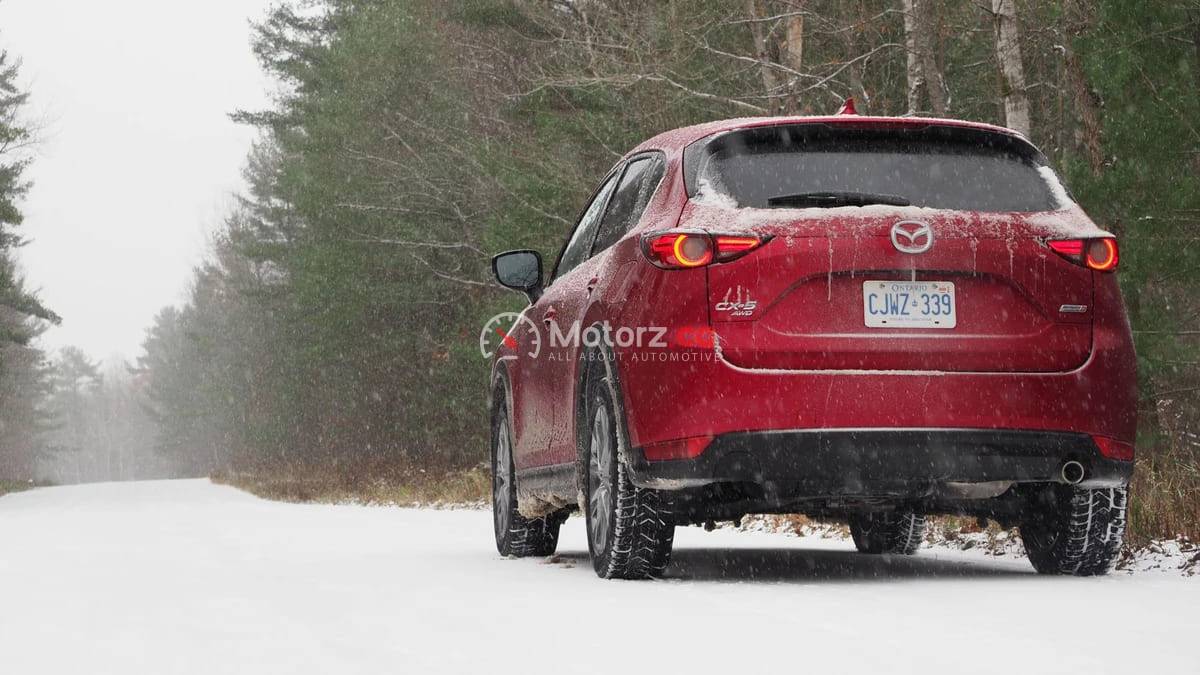
The Bonus: Good winter tires and a little snow can Ontario Drivers make your car more efficient. Driving on snow can create less friction than driving on pavement, potentially boosting fuel efficiency in a limited capacity.
Block Heater and Remote Starters
The Myth: Many people believe they need to start their car 15-20 minutes before a winter trip to warm it up. This is a myth left over from the days of carbureted engines.
The Reality: Remote starters are Ontario Drivers but are also major gas guzzlers. The best way to warm up your car is to drive it gently. If you live in an area with extremely cold temperatures, consider installing a block heater. A block heater warms the engine coolant, which makes the engine easier to start and reduces wear and tear on the components.