

A Revolution on the Track
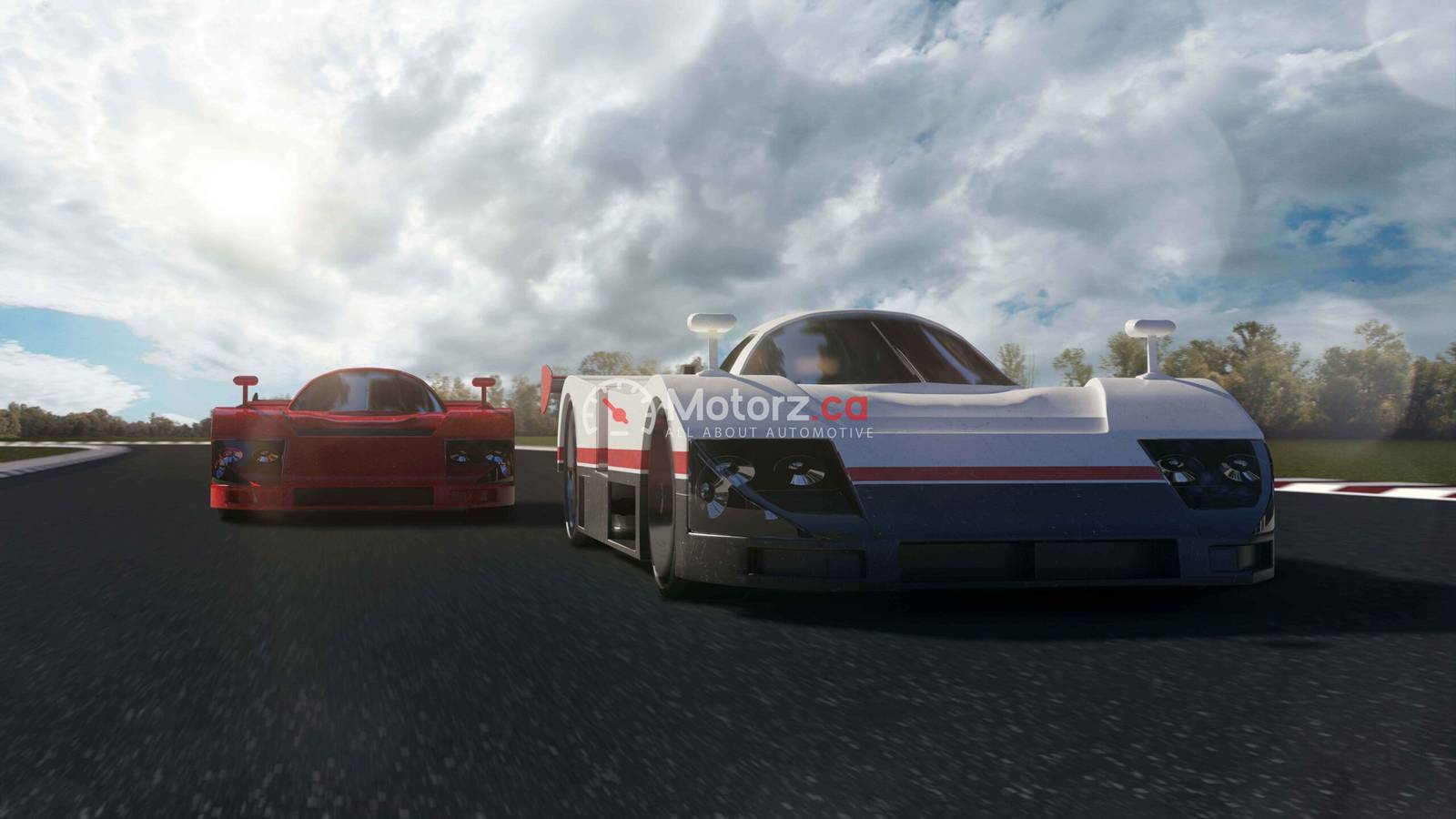
Motorsports has always been a hotbed of innovation. From the development of advanced aerodynamics to the refinement of internal combustion engines, what happens on the racetrack often influences the cars we drive every day. But as the world rapidly shifts towards electrification, automation, and sustainability, the very definition of racing is being rewritten. Ontario, with its deep automotive manufacturing roots, world-class educational institutions, and a passionate car culture, is poised to be at the forefront of this transformation.
This blog post explores the exciting future of Motorsports in Ontario. We’ll look at how electric vehicles (EVs) are changing the sound and feel of the sport, how artificial intelligence (AI) is becoming an invisible crew chief, and how a new focus on sustainability is driving innovation that benefits everyone.
The Quiet Revolution: Electric Vehicles (EVs) on the Racetrack
The roar of a gasoline engine is a defining feature of motorsports. But as silent, high-torque electric powertrains take to the track, a new kind of drama is emerging.
The Rise of Motorsports in Ontario
While major international series like Formula E and the Motorsports in Ontario are leading the charge, Ontario is seeing a growing interest in electric racing. The immediate, raw torque of an electric motor offers a completely different driving dynamic. EVs are not just a gimmick; they are incredibly fast and can deliver a unique, challenging racing experience.
Formula E and its Influence: While there isn’t a Motorsports in Ontario E race in Canada yet, the series’ global popularity is building momentum. Its focus on city-center street circuits and a high-tech, strategic format has captured a new, younger audience. This inspires local clubs and series to consider how they can incorporate electric vehicles into their own events.
Grassroots Adoption: We’re seeing more privately built electric race cars and conversions at local track days and time attack events in Ontario. The simplicity of an electric powertrain (fewer moving parts, less maintenance) makes it an attractive option for amateur racers. As battery technology improves and charging infrastructure at tracks becomes more common, the number of electric race cars will only increase.
The Sustainability Challenge and Opportunity
The shift to EVs isn’t just about speed; it’s about Motorsports in Ontario. The motorsports industry is under pressure to reduce its carbon footprint.
Canadian Tire Motorsport Park (CTMP): As a premier racing venue, CTMP is exploring ways to be more sustainable. While a complete overhaul is a massive undertaking, small steps like installing EV charging stations for spectators and participants are becoming more common.
Oro Station: A development near Barrie, Oro Motorsports in Ontario, is aiming to become a leader in sustainable motorsports. With a state-of-the-art facility designed to be an automotive innovation hub, it is a perfect example of how Ontario is embracing the future of the automotive industry as a whole, from racing to R&D.
The Invisible Crew Chief: AI and Data in Racing
AI isn’t just for self-driving cars; it’s already a critical part of modern motorsports. From the pit wall to the simulator, AI is helping teams make smarter, faster decisions.
Real-Time Strategy and Predictive Analytics
Data-Driven Decisions: Every modern race Motorsports in Ontario is a data-gathering machine. Sensors collect information on everything from tire temperature and suspension travel to engine performance and driver inputs. AI algorithms can process this massive amount of data in real-time to help teams make crucial strategic decisions. For example, AI can predict tire degradation more accurately, recommend the optimal time for a pit stop, or suggest an alternative racing line based on track conditions.
The “Digital Twin”: Before a car even hits the track, teams are using AI to create a “digital twin”—a virtual replica of the vehicle and the circuit. This allows engineers to run thousands of simulations to test different setups, aerodynamics, and strategies without the cost and risk of a real-world test.
Driver Performance and Training
Virtual Coaching: AI is transforming driver Motorsports in Ontario. By analyzing a driver’s telemetry data from a simulator or a real car, an AI can act as a virtual coach, identifying subtle inefficiencies in braking points, throttle application, or steering input. This personalized feedback helps drivers shave off precious milliseconds and improve their racecraft.
Sim Racing and AI Opponents: Sim Motorsports in Ontario has exploded in popularity in Ontario. Advanced AI opponents, like Sony’s “Gran Turismo Sophy,” are so sophisticated that they can not only race, but they can also learn and adapt to a human driver’s strategy. This creates a new level of challenge for sim racers and provides a perfect training ground for aspiring drivers.
The Next Frontier: Autonomous Racing
While the idea of driverless race cars may seem like a futuristic concept, it’s already a reality. Autonomous racing leagues are gaining traction globally, and Ontario’s strong technology sector and automotive industry are positioned to be a part of it.
The Role of Ontario Tech University
F1TENTH Autonomous Racing: Ontario Tech Motorsports in Ontario in Oshawa is a major player in this field. They are a lead organizer for the F1TENTH Autonomous Grand Prix in Canada, a competition where university teams build and program a 1:10 scaled autonomous race car to race against each other. This is a crucial proving ground for the next generation of engineers and AI programmers.
Connecting Academia and Industry: The research and development happening at institutions like Ontario Tech are critical to the future of both motorsports and the wider automotive industry. They are helping to develop the technology that will power future race cars and autonomous road vehicles.
The Future of the Fan Experience
The future of motorsports Motorsports in Ontario about what happens on the track; it’s about how fans consume the sport.
Beyond the Television Screen
Personalized Broadcasting: AI will allow broadcasters to provide a more personalized viewing experience. Imagine a stream that automatically shows you the best angles of your favorite driver or a data overlay that gives you insights into a specific car’s performance.
Immersive Technology: Virtual Reality Motorsports in Ontario and Augmented Reality (AR) will take the fan experience to the next level. You could be sitting at home, but with a VR headset, you’ll feel like you’re in the passenger seat of a race car or standing in the pit lane. AR could provide real-time data and graphics overlaid on the track for spectators at the event.