



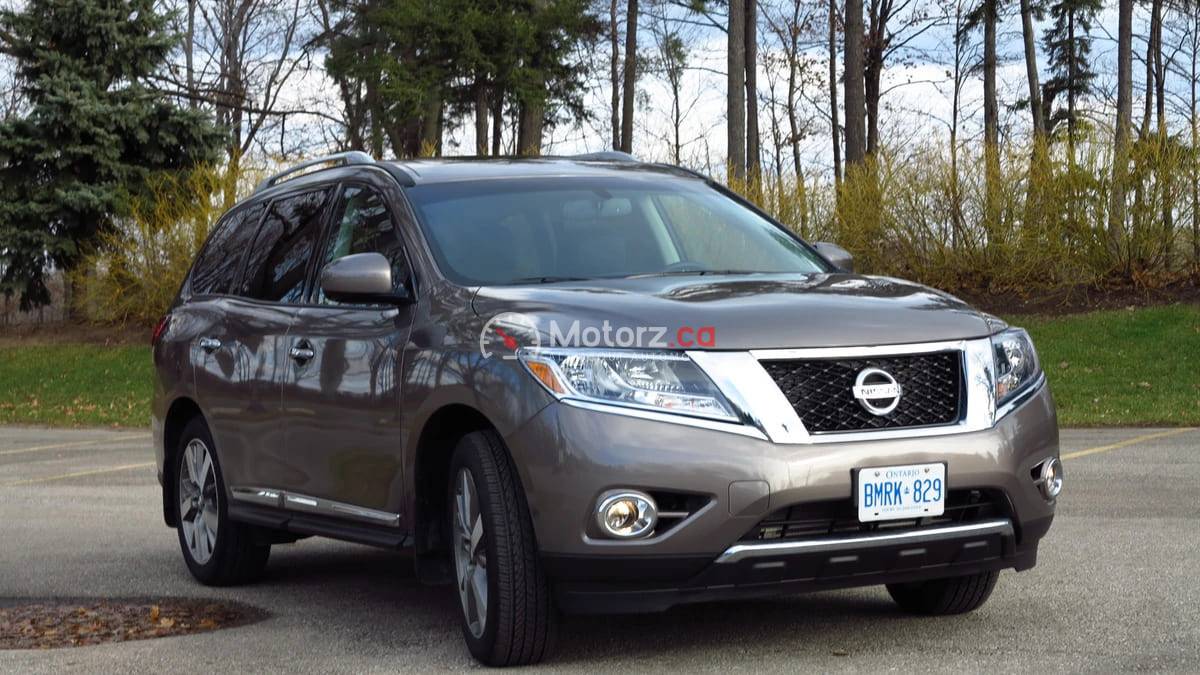


The narrative is the stuff of Game Theory of Rewards: a savvy customer, purchasing an expensive Cadillac, allegedly used a flaw in the General Motors (GM) loyalty program to amass millions of reward points, which were then cashed out to pay down a massive car loan. While the specifics—including the eye-watering figure of a claimed 60,000 paid off a luxury vehicle like the Cadillac Escalade-V—are unverified internet rumors, the story gained massive traction for one undeniable reason: GM swiftly moved to close the alleged loophole, lending credence to the idea that a fundamental flaw existed.
This incident, which quickly became a viral sensation across automotive and financial communities, is more than just a tale of clever consumer exploitation. It highlights a critical intersection between digital loyalty programs, corporate liability, and the sheer power of decentralized online communities to uncover and capitalize on system vulnerabilities.
This post will delve into the mechanics of the alleged exploit, analyze the structure of the GM My Rewards program that made such a loophole feasible, and discuss the wider implications for customer loyalty schemes in a digitally interconnected world where one simple oversight can cost a global corporation a fortune.
The Anatomy of the Alleged Game Theory of Rewards
The core of the claimed exploit lay not in sophisticated hacking, but in a simple failure of access control within a specific promotional rewards platform associated with General Motors.
The Nature of the GM Rewards Program
General Motors operates the My GM Rewards program, designed to foster customer loyalty across its brands (Chevrolet, Buick, GMC, and Cadillac). Points are typically earned through eligible purchases:
Vehicle Purchases: Earning 1 point for every 5 spent on a new vehicle.
Service and Parts: Earning 3 points for every 1 spent on certified service, parts, and accessories.
Credit Cards: Accelerating points through the GM Rewards Mastercard.
The crucial feature is redemption: points can be used towards purchasing a new GM vehicle, accessories, certified service, and, significantly, applied to the member’s GM Financial or Cadillac Financial account balance to pay down a loan. The alleged exploit targeted a separate, promotional portal sometimes referred to online as “Route 2 GM Rewards” or a similar engagement-based platform.
The Exploit: Multiplying Promotional Points
The rumored vulnerability centered on three critical design flaws in the promotional engagement platform:
Low-Effort Earning Tasks: The platform offered points for completing low-effort digital tasks, such as watching promotional videos or taking quick surveys, intended as simple, one-time bonuses.
Lack of Strict Identity Verification: The system allegedly failed to adequately prevent the creation of multiple accounts by the same individual using different email addresses. This allowed a single user to repeat the low-effort tasks—the foundational act of exploitation—countless times.
Unrestricted Point Transfer: The final, fatal flaw was the apparent ability to transfer points between accounts without sufficient limitations. This allowed an enterprising individual to consolidate all the “farmed” points from dozens, or even hundreds, of secondary accounts into one primary account.
Technical Insight: With a rough conversion rate often cited as 100 points equaling 1 value, accumulating six million points—the amount allegedly needed to pay off 60,000—required the mass farming and consolidation of a massive digital currency. The simplicity of the exploit was its genius: exploiting a low-security front-end engagement program and funneling the resulting currency into the high-value financial redemption system.
The Cadillac Connection: Financial Implications and Corporate Response
The specific use of the alleged points to pay off a loan on a high-end vehicle like a Cadillac Escalade-V turned the story from a quiet IT security issue into a viral, high-stakes finance headline.
The Impact of Paying Off a Car Loan
If the claims of a 60,000 payoff are true, the financial impact for the customer is monumental:
Interest Savings: By immediately reducing the principal balance, the borrower would save tens of thousands in future interest payments over the life of the loan.
Equity and Debt-to-Income: The vehicle instantly gained significant equity, dramatically lowering the owner’s debt-to-income ratio—a major win for personal finance.
GM Financial Exposure: GM Financial, the captive finance arm, is intrinsically linked to GM’s ecosystem. Using points to pay off a loan means that GM, as a whole, had to absorb the cost of the transferred value. In essence, the alleged exploiter successfully manufactured currency that GM was obligated to accept as payment.
GM’s Swift Action and Mitigation
The widespread nature of the viral reporting was enough to prompt immediate action from General Motors.
Closing the Gate: GM quickly shut down the specific promotional portal that hosted the low-effort tasks and point transfers. This rapid response is the most compelling evidence that the vulnerability was real and being exploited on a scale that threatened material financial loss.
Addressing System Integrity: Loyalty programs are designed on the premise that the cost of the reward (e.g., a discounted oil change) is less than the lifetime value of the loyal customer. An exploit of this scale completely inverts that model, making the cost of the reward far exceed the revenue it generated. GM’s response was a clear signal to both customers and stakeholders that the integrity of the My GM Rewards program itself needed to be protected.
Legal Perspective: While consumers often look for loopholes, the legal interpretation of such mass, systematic exploitation falls into a gray area. Companies often reserve the right to audit and revoke points obtained through “fraudulent or improper” means, and GM’s program terms and conditions almost certainly contain clauses reserving the right to cancel points and accounts engaging in activity that violates the program’s intent.
Loyalty Program Security: Lessons for a Digital-First Economy
The alleged Cadillac payoff incident serves as a stark warning to all corporations relying on digital loyalty programs to drive customer engagement.
The Perils of Low-Friction Earning
Loyalty programs often walk a tightrope between accessibility and security. The desire to make point earning “easy” and “fun” (e.g., watching a 30-second video) often leads to a system that is fundamentally vulnerable to automation or mass manual repetition.
Verification is King: Modern rewards systems must employ sophisticated identity checks beyond a simple email address. This includes multi-factor authentication, IP address tracking, and behavioral analytics that detect automated or repetitive task completion from a single user footprint.
Rate Limits and Caps: Programs should always implement strict daily, weekly, or lifetime limits on points earned through low-effort promotional activities. Crucially, the system should strictly limit the ability to create multiple accounts or transfer high point values without human review.
The True Value of Loyalty Currency
When a reward point can be directly converted into a financial instrument—such as a loan payoff—its underlying security and tracking must be equivalent to that of real cash.
The Conversion Problem: The ability to convert low-value points (from watching an ad) into high-value redemption (paying off an asset) creates an arbitrage opportunity that is highly attractive to exploiters.
The Audit Trail: The incident reinforces the need for complex internal tracking and fraud detection systems that flag:
Sudden, massive spikes in points accumulation.
Large point transfers between newly created or unverified accounts.
Excessive accumulation from low-value channels used for high-value redemptions.
Best Practice Tip: Companies should ring-fence high-value redemption options (like loan payments or new vehicle discounts) to points earned only through high-integrity channels, such as credit card spending or large, verified purchases, rather than promotional engagement.
A Cautionary Tale of Digital Currency
The saga of the Cadillac buyer and the alleged GM rewards loophole, whether fully true or exaggerated for internet fame, has already served its purpose: it demonstrated the real-world financial risk inherent in modern digital loyalty schemes. While the customer allegedly gained a massive, one-time benefit, General Motors incurred the cost of the exploit and the inevitable loss of customer trust and brand embarrassment that comes with a major security lapse.
This event is a cautionary tale for both consumers seeking an edge and corporations building a digital ecosystem. For the buyer, the quick cash-out may come with legal risk; for GM, the long-term solution lies not just in closing one specific hole, but in overhauling the system to ensure that the security of its digital currency—its reward points—is as robust as the financing that secures its flagship vehicles.