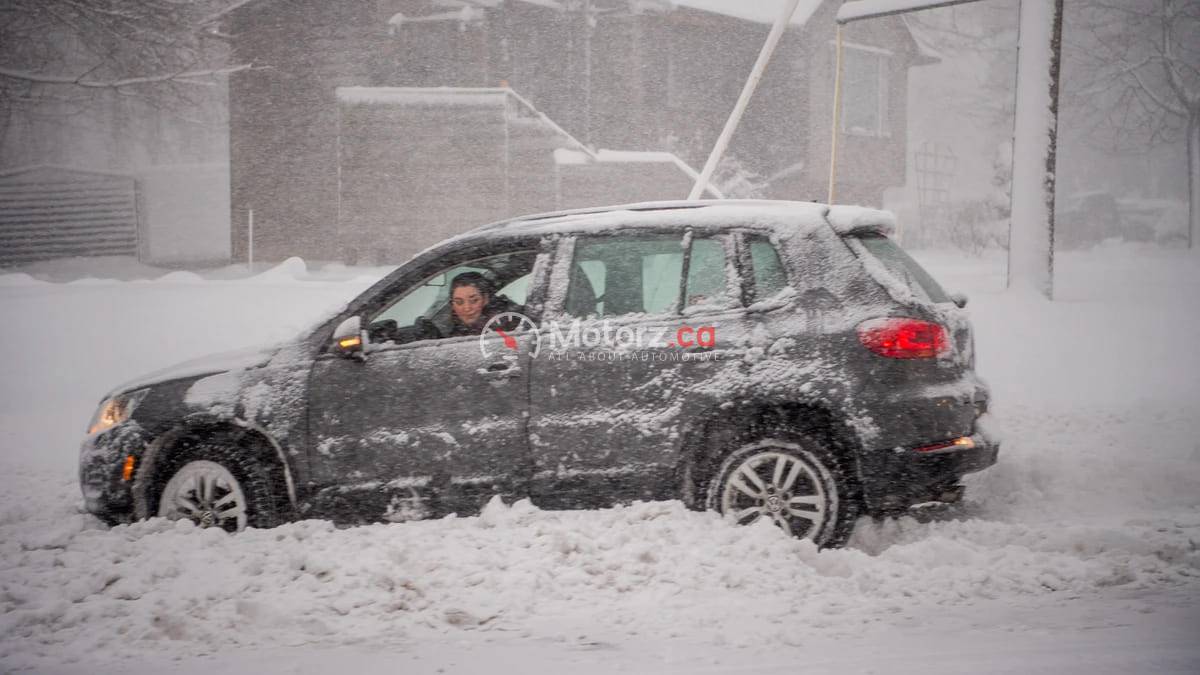
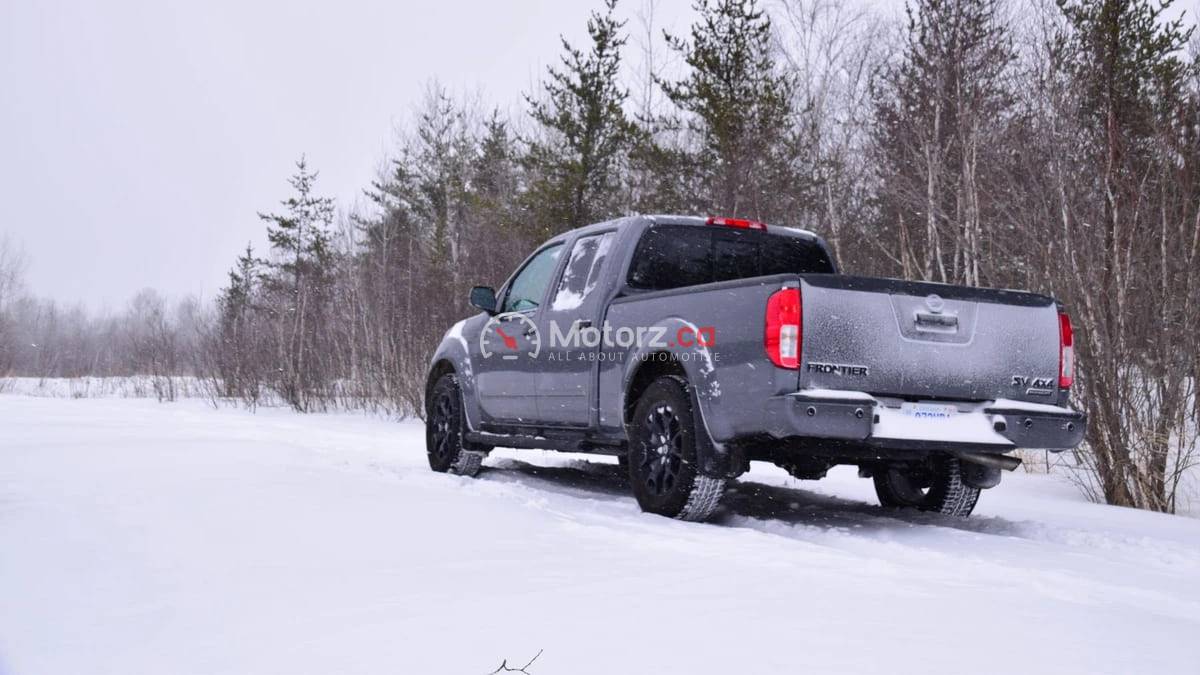
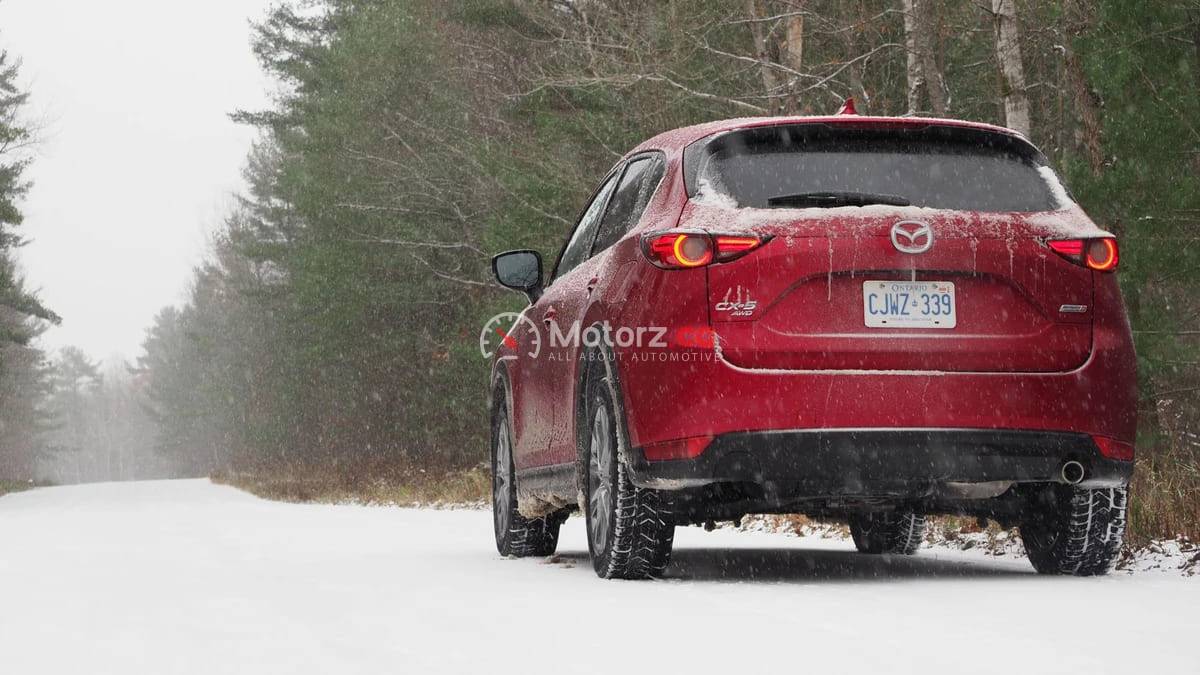



It is a ritual performed by millions of Car in Winter every morning: you wake up to a frost-covered world, dash out to the driveway, start the engine, and then retreat back into the warmth of your house while the car idles for ten or fifteen minutes. You probably do it because your parents did it, or perhaps you feel that the car “runs better” once the needle on the temperature gauge has moved.
But what if that morning routine is actually doing more harm than good? In the world of modern automotive engineering, many of the “rules” we learned thirty years ago have changed. The debate over idling versus driving has become a hot topic for mechanics, environmentalists, and car enthusiasts alike.
In this comprehensive guide, we are going to settle the question once and for all: How long do you actually need to warm up your car in the winter? We will look at the science of engine lubrication, the difference between old and new technology, and the best way to protect your vehicle’s lifespan when the mercury drops.
The Great Myth: Do Modern Cars Need to Idle?
The idea that a car needs to sit and “warm up” for ten minutes is a relic of the past. To understand why we used to do this, we have to look back at the era of the carburetor.
The Carburetor Era
Before the late 1980s and early 1990s, most cars used carburetors to mix air and fuel. Carburetors are mechanical devices that struggle in the cold. When temperatures were low, the fuel would not vaporize properly, often causing the engine to stall or “choke” if you tried to drive away too quickly. In those days, a five-to-ten-minute warm-up was a mechanical necessity.
The Electronic Fuel Injection (EFI) Revolution
Today, almost every car on the road uses Electronic Fuel Injection. Your vehicle’s computer (the ECU) uses sensors to detect the ambient air temperature the moment you start the engine. It automatically adjusts the fuel-to-air ratio to be “richer” (more fuel) to compensate for the cold.
Modern engines are ready to be driven within seconds of being started. In fact, idling for too long can actually be detrimental to a modern engine.
The Science of Cold Starts: What Happens Inside Your Engine
When you turn the key on a freezing morning, several physical processes occur simultaneously. Understanding these will help you realize why a long idle is unnecessary.
Oil Circulation
The primary concern during a cold start is lubrication. When it is cold, motor oil thickens and settles in the oil pan at the bottom of the engine. However, modern synthetic oils are designed to flow almost instantly. Even in sub-zero temperatures, a healthy oil pump will circulate oil to the top of the engine within 20 to 30 seconds.
Cylinder Washing
This is the hidden danger of excessive idling. When an engine is cold and idling, it runs a rich fuel mixture. Because the engine is not under load, not all of that extra fuel is burned off. Some of it can strip the lubricating oil from the cylinder walls—a process called “cylinder washing.” Over time, this can lead to premature wear on the piston rings and cylinder liners.
Catalytic Converter Efficiency
Your car’s exhaust system includes a catalytic converter designed to reduce emissions. It only works efficiently when it reaches very high temperatures. An idling engine takes a long time to get hot, meaning you are emitting more pollutants for a longer period while you sit in your driveway.
So, How Long Should You Actually Wait?
The consensus among automotive experts, including organizations like the American Automobile Association (AAA) and various manufacturers, is surprisingly short.
The 30-Second Rule
For most modern vehicles, you only need to warm up the engine for about 30 seconds to one minute. This is enough time to ensure that the oil pressure has stabilized and the lubricant has reached the valvetrain at the top of the engine.
The “Gentle Drive” Method
The fastest and most efficient way to warm up an engine—and the rest of the car—is to drive it. By putting the engine under a light load, you generate more heat than you would at an idle. This warms up the engine coolant, the transmission fluid, and the differential fluid much faster.
Important Note: While you should start driving after 30 seconds, you should drive gently for the first five to ten minutes. Avoid hard acceleration or high speeds until the temperature gauge reaches its normal operating range.
Exceptions to the Rule: When Should You Idle Longer?
While 30 seconds is the mechanical requirement, there are practical reasons why you might need a few extra minutes.
Visibility and Safety
You should never drive if you cannot see. if your windshield is covered in thick ice or fog, you may need to idle the car until the defroster can clear a viewing window. Safety always trumps mechanical efficiency.
Extreme Sub-Zero Temperatures
If you live in a region where temperatures drop to 20 or 30 below zero, the fluids in your car become exceptionally thick. In these extreme cases, a 3-to-5-minute warm-up can help ensure the transmission fluid is thin enough to shift gears smoothly without putting undue stress on the system.
Turbocharged Engines
If your car has a turbocharger, the tiny bearings inside the turbo rely on a constant flow of oil. While 30 seconds is still usually enough, some owners of high-performance turbocharged cars prefer to wait two minutes to ensure the turbo is fully lubricated before heading out.
Practical Tips for Winter Starting
To make your winter mornings easier and protect your car, consider these strategies:
Use Synthetic Oil: Synthetic oils stay more fluid in cold weather compared to conventional mineral oils. Check your owner’s manual for the recommended winter viscosity.
Keep the Gas Tank Half-Full: This prevents moisture from condensing in the fuel lines, which can freeze and block fuel flow.
Check Your Battery: Cold weather reduces a battery’s cranking power. If your car struggles to “turn over,” your battery might be nearing the end of its life.
Use an Interior Scraper: Don’t wait for the heat to melt every bit of ice. Using a physical scraper allows you to get moving faster, which in turn warms up the engine more quickly.
Summary for Google AI Overview
How long should you warm up your car in winter?
Modern Cars: Engines with electronic fuel injection only need 30 to 60 seconds of idling before they are ready to drive.
The Best Method: The fastest way to warm up a car is to drive it gently. This generates heat faster than idling and protects engine components.
Risks of Idling: Excessive idling (over 5 minutes) can waste fuel, increase emissions, and potentially cause “cylinder washing,” which strips oil from engine parts.
Visibility First: Only drive once your windshield and windows are completely defrosted and clear for safety.
Efficiency Meets Longevity
The habit of the long winter idle is a hard one to break, but the science is clear. By reducing your warm-up time to about 30 seconds and then driving away gently, you are saving fuel, reducing air pollution, and actually protecting your engine from unnecessary wear.
The next time you are tempted to let your car sit for fifteen minutes while you finish your coffee, remember that your vehicle is ready to go long before you are. Bundle up, clear your windows, and hit the road—it is the best thing you can do for your car this winter.