
Your Trustworthy Mechanic is likely one of the most expensive assets you own. When it starts making a strange grinding noise or a mysterious warning light flickers on the dashboard, the stress isn’t just about the vehicle—it’s about finding someone you can trust to fix it.
In the modern automotive landscape, vehicles are more complex than ever. With advanced driver-assistance systems (ADAS), hybrid powertrains, and integrated software, “grease monkey” mechanics are a thing of the past. Today’s technicians are part computer scientists and part engineers. Choosing the right auto repair shop in 2026 requires a mix of old-school intuition and new-school research.
This guide will walk you through the essential steps to troubleshoot your search and find a reliable mechanic who provides high-quality service without breaking your budget.
Start Your Search Before an Emergency Happens
The biggest mistake most drivers make is waiting until their car is on the back of a tow truck to choose a repair shop. When you are in a rush, you are far more likely to settle for the first shop that has an opening, regardless of their reputation or price.
The Trustworthy Mechanic Strategy
A great way to vet a new shop is to schedule a low-stakes maintenance task. Take your car in for a routine oil change or a tire rotation. This allows you to observe the shop’s operations firsthand:
How clean is the waiting area?
Is the staff professional and communicative?
Do they provide a digital inspection report with photos?
Do they try to “high-pressure” sell you on unnecessary repairs?
If they treat a 80-unit oil change with care and transparency, they are likely to handle a 2,000-unit transmission job with the same integrity.
Deciphering the “Alphabet Soup” of Certifications
In 2026, certifications are the clearest indicator of a shop’s commitment to staying current with technology. While a certificate on the wall isn’t a 100% guarantee of perfection, it shows that the technicians have passed rigorous national standards.
ASE (Automotive Service Excellence)
The ASE seal is the industry gold standard. To become ASE certified, a technician must have at least two years of experience and pass a series of difficult exams. Look for shops that employ “Master Technicians,” who have passed all eight tests in the automobile series.
CAR Gold Class
If you are looking for bodywork or collision repair, look for the I-CAR Gold Class designation. This is the highest level of training recognized in the collision industry, ensuring the shop knows how to work with modern lightweight materials and sensor recalibration.
AAA Approved Auto Repair
A shop that carries the AAA Approved tag has undergone an independent investigation by the American Automobile Association. AAA evaluates shops based on community reputation, equipment quality, and technician training. They even provide a dispute resolution service if something goes wrong.
Specialist vs. Generalist: Which is Right for You?
Not every shop is equipped to handle every car. Depending on what you drive, you may need to look for a specialized facility.
The Specialist Advantage
If you drive a high-end European brand (like BMW or Audi) or a specialized electric vehicle (EV), a specialist shop is often better. They invest in the specific proprietary diagnostic software and “special tools” required for those makes. While their hourly labor rate might be higher, they often save you money by diagnosing the problem faster than a generalist who is “learning on the fly.”
The Generalist Value
For common vehicles like a Ford F-150, Toyota Camry, or Honda Civic, a reputable generalist shop is usually the best value. These technicians see these models every day and often have a deep inventory of affordable aftermarket parts that can save you 20 to 30 percent compared to dealer prices.
Red Flags to Watch For: The “Troubleshooter” Checklist
Trust your gut. If a shop exhibits these behaviors, it’s time to take your keys and leave:
Vague Estimates: If they won’t give you a written estimate or they say, “We’ll just see how much it costs when we’re done,” walk away.
The “Scare Tactic”: Be wary of mechanics who say your car is “unsafe to drive another mile” unless they can show you physical evidence of a catastrophic failure (like a leaking brake line or a shredded belt).
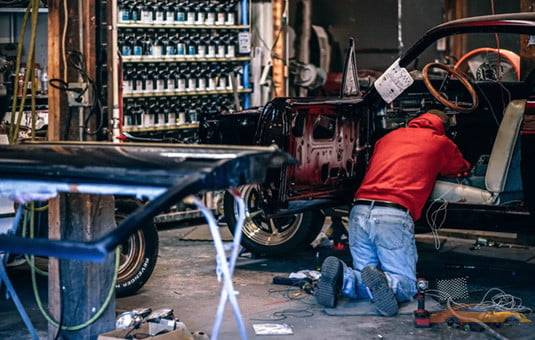
Messy Shop Floors: While auto repair is inherently dirty, a disorganized shop with tools scattered everywhere often indicates a disorganized mind. Precision repairs require a tidy environment.
Refusal to Return Old Parts: A reputable shop should be willing to show you the old, broken part they replaced.
Transparency in 2026: Digital Inspections
One of the best trends in modern auto repair is the Digital Vehicle Inspection (DVI). Leading shops now send a link to your smartphone containing photos and videos of your car while it is on the lift.
Instead of a mechanic telling you your “ball joints are bad,” they can send you a video of the wheel shaking. This level of transparency eliminates the “guessing game” and allows you to make an informed decision based on visual evidence. If a shop doesn’t offer digital reporting in 2026, they may be lagging behind in other technological areas as well.
Understanding the Cost of Repairs in 2026
Labor rates have risen significantly over the last few years due to the shortage of skilled technicians. In major urban centers, you can expect to pay anywhere from 120 to 180 per hour for labor.
The Importance of Warranties
A shop that stands behind its work is a shop that does the job right the first time. At a minimum, look for a warranty of 12 months or 20,000 kilometers on parts and labor. Many premium independent shops now offer a 2-year/40,000-km “Peace of Mind” warranty that is honored at thousands of locations across North America.
Building a Long-Term Relationship
Choosing an auto repair shop is about more than just finding a low price—it’s about finding a partner in your car’s longevity. Once you find a shop that communicates clearly, respects your budget, and employs certified pros, stick with them. A mechanic who knows your car’s history can often spot “trouble” before it becomes a multi-thousand-unit repair.
The next time your car needs attention, don’t panic. Use these troubleshooting steps to find a shop that values your safety as much as you do.