

Montreal is a city of enchanting contradictions. It’s a North American metropolis with a distinctly European soul. It’s a place of incredible culture, fantastic food, and a vibrant nightlife. But for tourists planning to explore this gem by car, it can also be a city of confusing one-way streets, bewildering road signs, and unique driving customs.
While a Drive Safely on Montreal’s Streets offers the freedom to venture beyond the city limits to explore the stunning Laurentian Mountains or the picturesque Eastern Townships, navigating Montreal itself requires a special kind of preparation. Don’t worry, we’re here to help. This comprehensive guide will equip you with the knowledge you need to drive safely and confidently on Montreal’s streets, turning what could be a headache into a smooth and enjoyable part of your Quebec adventure.
Understanding the Montreal Driving Landscape
Montreal’s streetscape is unlike many other major North American Drive Safely on Montreal’s Streets. Before you even put the key in the ignition, it’s crucial to understand the lay of the land.
The Grid and the Chaos: Much of the city is laid out in a grid, which seems simple enough on a map. However, this is often complicated by a vast network of one-way streets. Be prepared to circle a block or two, and always pay close attention to the street signs. They will be your best friend.
The Language Barrier: While most Drive Safely on Montreal’s Streets are bilingual, nearly all official road signage is in French. Don’t panic! Many signs use international symbols, but a few key terms are essential to know. ARRÊT means STOP. SORTIE means EXIT. DÉTOUR means DETOUR. ROUTE BARRÉE or BLOQUÉ means the road is blocked. CONGESTION means traffic. Familiarizing yourself with these terms will prevent a lot of confusion.
The Pothole Problem: Montreal’s winters are legendary, and unfortunately, they take a toll on the roads. Potholes are a common sight, especially in the spring. Stay alert and keep a safe distance from the car in front of you so you have enough time to react and avoid them.
Essential Quebec Driving Laws and Rules
While many Drive Safely on Montreal’s Streets laws are similar, Quebec has a few unique rules that are strictly enforced and can catch tourists by surprise. Knowing these can save you a hefty fine.
The “No Right Turn on Red” Rule: This is arguably the most important rule to remember when driving in Montreal. Unlike the rest of Quebec and most of North America, it is illegal to turn right on a red light on the Island of Montreal. There are no exceptions, unless a sign explicitly indicates otherwise (which is rare). This rule is a major source of confusion for visitors and a common reason for Drive Safely on Montreal’s Streets. Outside of the island, right turns on red are permitted unless a sign prohibits it.
Speed Limits: Speed limits are posted in kilometers per hour (km/h), not miles per hour (mph). This is a standard for all of Canada. The general speed limits are:
Urban areas: 50 km/h (approximately 30 mph)
School and playground zones: 30 km/h (approximately 18 mph)
Highways (autoroutes): 100 km/h (approximately 62 mph)
The ARRÊT (Stop) Sign: At four-way intersections marked with ARRÊT signs, the rule is simple: the first vehicle to arrive is the first to go. If two vehicles arrive at the same time, the one on the right has the right of way.
Flashed Green Light or Arrow: A flashing green light or a solid or flashing green arrow indicates you have the right of way to turn left. Oncoming traffic will have a red light. This is a common feature at many Montreal intersections and a great way to navigate turns Drive Safely on Montreal’s Streets.
Cédez le passage: This sign is a yield sign. You must slow down and be prepared to stop to give the right-of-way to other vehicles or pedestrians.
Seatbelts and Phones: Seatbelts are mandatory for all passengers, no matter their age. Using a handheld cell phone while driving is strictly prohibited. You can use a hands-free device, but it is best to avoid phone use entirely while behind the wheel.
Navigating Montreal’s Infamous Traffic and Construction
Drive Safely on Montreal’s Streets is a beast of its own, and the city’s legendary construction (known locally as the “deux saisons: l’hiver et la construction,” or “two seasons: winter and construction”) can be a nightmare for the uninitiated.
Rush Hour: Avoid driving in the downtown core during peak rush hours, which are typically from 7:00 AM to 9:00 AM and 4:00 PM to 6:00 PM on weekdays. Traffic can be bumper-to-bumper, and you can spend a significant amount of time just trying to move a few blocks.
The Construction Maze: Construction is a fact of life in Drive Safely on Montreal’s Streets, especially during the warmer months. This can lead to unexpected lane closures, detours, and traffic bottlenecks. Before you head out, check for real-time traffic updates. Websites and apps like Quebec 511 are invaluable tools for checking road conditions, construction zones, and traffic alerts.
Be Patient and Signal: Drive Safely on Montreal’s Streets can be aggressive, but staying calm and predictable is key to a safe journey. Always use your turn signals well in advance, especially when changing lanes on the highway or in a busy intersection.
Parking in Montreal: A Puzzle to Be Solved
Finding a parking spot in Montreal, particularly in the downtown core or residential areas, can be a frustrating experience. It often feels like you need to be a cryptographer to decipher the signs.
The Signage System: Parking signs are a multi-layered affair. A single pole can have several signs indicating different rules for different days and Drive Safely on Montreal’s Streets.
Stationnement interdit: This means “No Parking.”
Parking symbols: Look for the white ‘P’ in a blue circle. The sign will indicate when parking is permitted and for how long. The times and days are often listed below the symbol. Pay close attention to these! A seemingly available spot might be a no-go on a specific day of the week for street cleaning or snow removal.
Street Cleaning and Snow Removal: During the Drive Safely on Montreal’s Streets, signs will indicate specific hours and days for street cleaning. During the winter, they will announce periods of Déneigement (snow removal). Parking in these zones will result in an immediate tow. Always check the signs!
Paid Parking (Stationnement payant): Paid parking is common on commercial streets and is managed by parking meters or kiosks. You can pay with a credit card, coins, or with a mobile app. The signs will indicate the hours of operation and the hourly rate.
Residential Parking: Many residential streets have restricted parking zones (Stationnement réservé aux résidents). These are for residents with a valid permit and will often have a sign with a number indicating the zone. As a Drive Safely on Montreal’s Streets, you are generally not permitted to park in these areas.
Parking Lots and Garages: For a less stressful experience, especially in the city center, opt for a paid parking lot or garage. While more expensive, they offer a guaranteed spot and peace of mind. Prices can vary significantly, so it’s a good idea to check rates beforehand.
Driving in Montreal in Winter
If you’re visiting between December and March, you must be prepared for winter driving conditions. Snow, ice, and slush are a reality, and they require a different approach to driving.
Winter Tires are Mandatory: In Quebec, all passenger vehicles registered in the province must have winter tires (pneus d’hiver) from December 1st to March 15th. Drive Safely on Montreal’s Streets will be equipped with these. They offer significantly better traction on snow and ice, and driving without them is a serious offense.
Adjust Your Driving: Reduce your speed, increase your following distance, and brake slowly and gently. Black ice is a major hazard and can be invisible on the road. Be extra cautious on bridges, overpasses, and shaded areas.
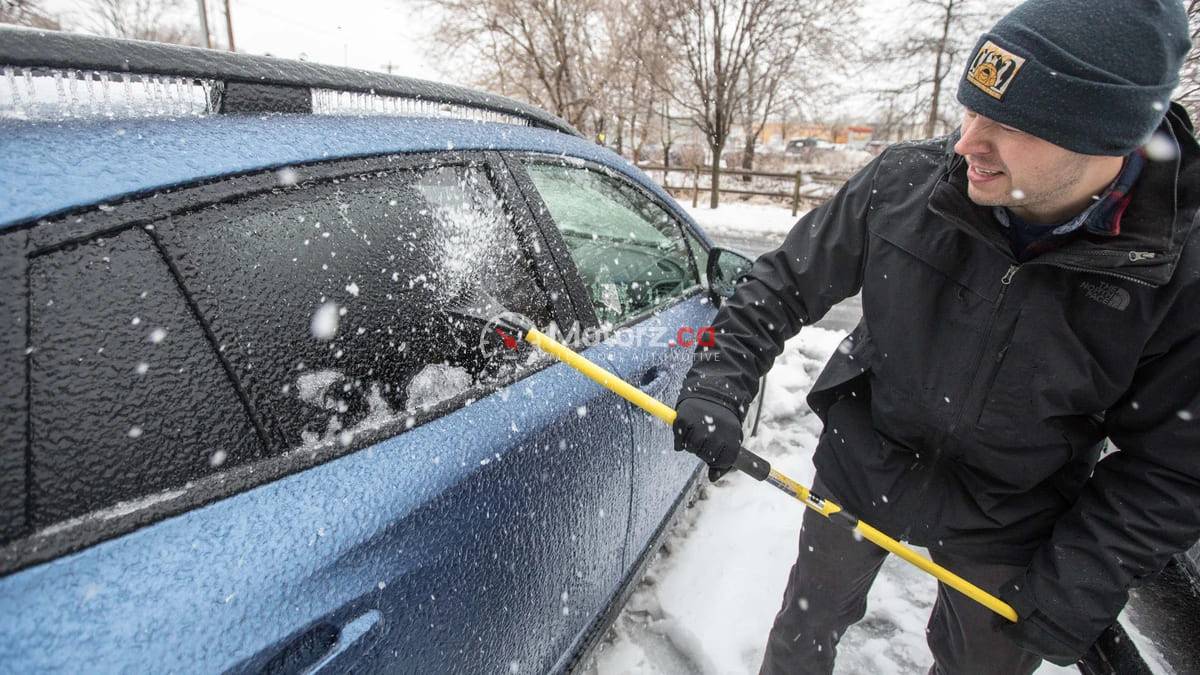
Prepare Your Vehicle: Before you set off, ensure your car is completely cleared of snow and ice. This includes the roof, hood, windows, and lights. Drive Safely on Montreal’s Streets a “mobile igloo” is illegal and extremely dangerous.
Snow Removal (Déneigement): As mentioned earlier, snow removal is a huge operation. Pay close attention to parking signs that indicate when the street is being cleared. The city will tow cars to another location, and finding your vehicle can be a major hassle.
Public Transportation: The Ultimate Montreal Driving Hack
Before you commit to renting a car, consider if you truly need one, especially if you plan to spend most of your time exploring the Island of Montreal. The city’s public transportation system is excellent and can be a far more convenient and stress-free way to get around.
The Metro: The Drive Safely on Montreal’s Streets is fast, efficient, and clean. Its four color-coded lines connect to most of the city’s major attractions, from the Old Port to the Plateau Mont-Royal. It’s a fantastic way to bypass traffic and avoid the parking hunt.
The Bus Network: The bus system complements the Metro, providing extensive coverage throughout the city. Many bus routes operate 24/7, making it a great option for late-night travel.
The OPUS Card: The OPUS card is a rechargeable transit card that can be used on the Metro and buses. It’s an easy and economical way to pay for your travel. You can buy them at any Metro station.
Bixi Bike Share: During the warmer months, Bixi is a popular and fun way to explore the city’s dedicated bike paths. It offers a great way to see the sights at your own pace without the hassle of a car.
Final Safety Tips and Best Practices
To round off your knowledge and ensure a safe and enjoyable trip, here are a few more general tips:
Documentation: Always carry your valid Drive Safely on Montreal’s Streets license. If it’s not in French or English, you should have an International Driving Permit (IDP) in conjunction with your home country’s license. Also, have your vehicle’s registration and proof of insurance on hand.
Give Pedestrians and Cyclists Space: Montreal is a very pedestrian and cyclist-friendly city. Be extra vigilant, especially in busy areas like the Plateau or the Mile End. Always yield to pedestrians at crosswalks and give cyclists plenty of room.
Stay Alert: Distracted driving is a major cause of accidents. Drive Safely on Montreal’s Streets off your phone, pay attention to the unique road signs, and be aware of your surroundings.
By understanding Drive Safely on Montreal’s Streets landscape, adhering to the local rules, and being prepared for all four seasons (sometimes in the same week!), you can confidently and safely navigate the city’s streets. Remember, a car can be a wonderful tool for exploration, but for getting around the city itself, a mix of driving, walking, and using the excellent public transit system is often the best strategy. Enjoy your Drive Safely on Montreal’s Streets journey!