



That showroom shine doesn’t happen by Waxing Your Car Like a Pro. If you have ever looked at a car and wondered why the paint looks deep enough to swim in, the answer is almost always a high-quality wax job. But waxing your car is about more than just vanity. It is one of the most important preventative maintenance tasks you can perform to protect your second-largest investment from the harsh realities of the road.
In this Corner Wrench edition, we are going to break down the mystery of the perfect shine. We will explain exactly why your car needs wax, compare the different types of products available, and give you a step-by-step masterclass on how to apply it without leaving those annoying white streaks.
The Waxing Your Car Like a Pro: More Than Just a Pretty Face
Many drivers think waxing is a relic of the past—something your grandfather did on Sunday afternoons. However, modern paint systems, while advanced, are actually thinner and more susceptible to environmental damage than the heavy-duty lacquers of the 1960s.
Protection Against the Elements
Think of wax as a sacrificial layer of skin. Your car’s paint is constantly under attack from:
UV Rays: Sunlight causes oxidation, which makes your paint look dull, chalky, and faded.
Bird Droppings and Tree Sap: These are highly acidic. Without a wax barrier, they can etch into your clear coat in a matter of hours.
Road Salt and Pollution: In winter, salt acts like sandpaper on your finish. In summer, industrial fallout and acid rain can eat away at the gloss.
Hydrophobic Properties
A good wax creates a “hydrophobic” surface. This means water beads up and rolls off rather than sitting on the paint. Not only does this look great, but it also carries away dirt and grime, meaning your car stays cleaner for longer and is much easier to wash next time.
Choosing Your Weapon: Paste, Liquid, or Spray?
Walking down the car care aisle can be overwhelming. Every bottle promises “ultimate” results. Here is how to choose the right one for your lifestyle:
Paste Wax (The Enthusiast’s Choice)
Pros: Provides the deepest, warmest glow and typically contains the highest concentration of natural Carnauba. It also fills in tiny scratches better than other types.
Cons: Most difficult and time-consuming to apply and buff off.
Best For: Show cars, weekend cruisers, and those who find the process therapeutic.
Liquid Wax (The Modern Standard)
Pros: Easier to apply than paste and highly durable. Most liquid waxes are synthetic “sealants” that can last 4 to 6 months.
Cons: Can be messy if you use too much; dries white on plastic trim if you aren’t careful.
Best For: Daily drivers that need long-lasting protection with moderate effort.
Spray Wax (The Time-Saver)
Pros: Can be applied in 10 minutes or less. Many can be used while the car is still wet as a “drying aid.”
Cons: The thinnest layer of protection. Typically only lasts 2 to 4 weeks.
Best For: Topping up your protection between major waxings or for those with very little free time.
Preparation: The Secret to a Flawless Finish
The biggest mistake beginners make is waxing a dirty car. If you trap dirt under the wax, you are essentially sealing in the grit that will scratch your paint.
The Deep Clean
Wash and Dry: Use a dedicated car wash soap (never dish soap, which strips existing wax). Dry the car thoroughly with a microfiber towel.
The “Baggy Test”: Put your hand inside a plastic sandwich bag and run it over the dry paint. If it feels “gritty” like sandpaper, you have embedded contaminants.
Clay Bar (The Pro Move): Use a clay bar and lubricant to pull those contaminants out of the paint. This leaves the surface as smooth as glass, allowing the wax to bond much better.
How to Wax Your Car: Step-by-Step
Find the Shade
Never wax in direct sunlight. Heat causes the wax to dry instantly, making it nearly impossible to buff off. A cool surface in a garage or under a tree is ideal.
Less is More
Apply a small, nickel-sized amount of wax to a foam applicator pad. One of the most common mistakes is using too much product. You want a layer so thin it’s almost invisible. A thick coat doesn’t protect better; it just makes your arms tired during the buffing stage.
Use the Overlap Technique
Apply the wax in small, circular motions or straight lines (depending on the product instructions). Work in small sections—start with the hood, then move to a fender. Ensure you overlap each pass slightly so you don’t miss any spots.
The Haze Test
Wait for the wax to “cure.” This usually takes 5 to 10 minutes. To check if it’s ready, swipe your finger through the wax. If it smears, wait longer. If it leaves a clear, shiny streak, it is ready to be buffed.
The Final Buff
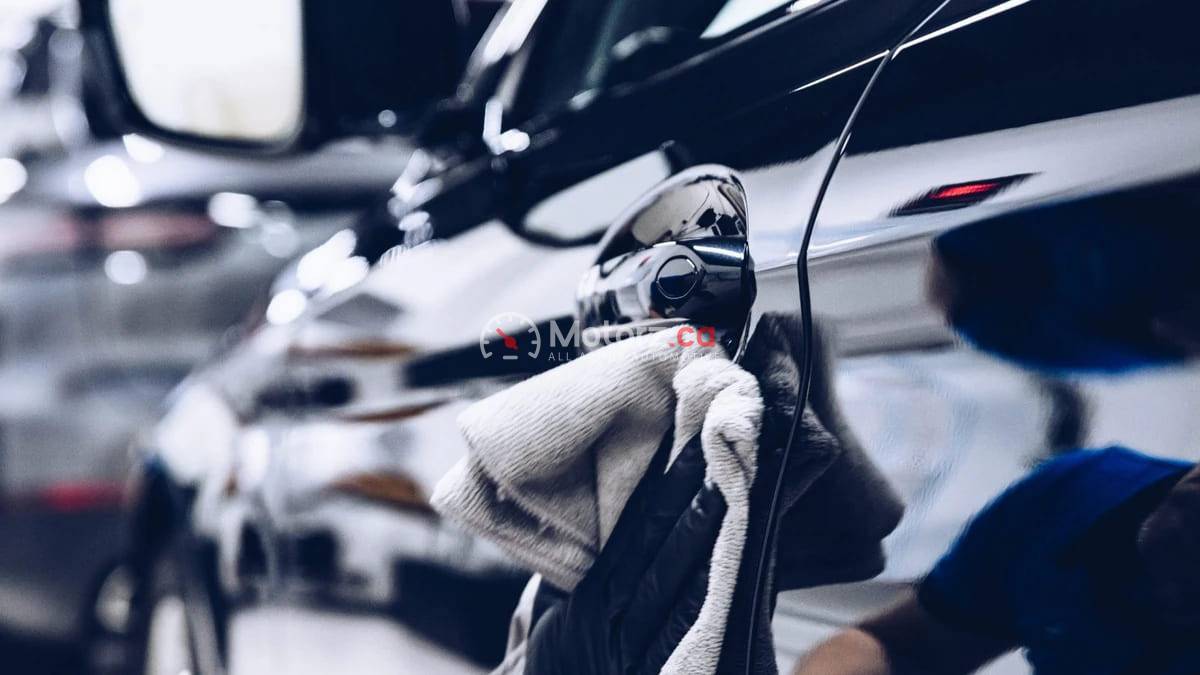
Using a clean, plush microfiber towel, buff the wax away. Flip the towel frequently to a fresh side to avoid “loading” it with wax. Use light, circular motions.
Maintenance: Making the Shine Last
How often should you wax? For most cars, four times a year (once per season) is the sweet spot.
Telltale Signs You Need a Fresh Coat:
Water stops beading: If water “sheets” off or sits in flat puddles, your protection is gone.
The “Squeak” Test: Run a clean finger over the paint. If it squeaks, the surface is bare. A waxed surface should be silent and slick.
Dullness: If the paint looks “flat” even after a wash, the wax layer has likely oxidized.
Protect Your Pride and Joy
Waxing your car is one of those rare tasks that is both rewarding and practical. For the cost of a few towels and a tub of wax, you are preserving the resale value of your vehicle and making sure it looks its best every time you walk out to the driveway.
The next time you have a free hour on a Saturday morning, grab your supplies and give your car the protection it deserves. Your paint (and your wallet) will thank you years down the road.