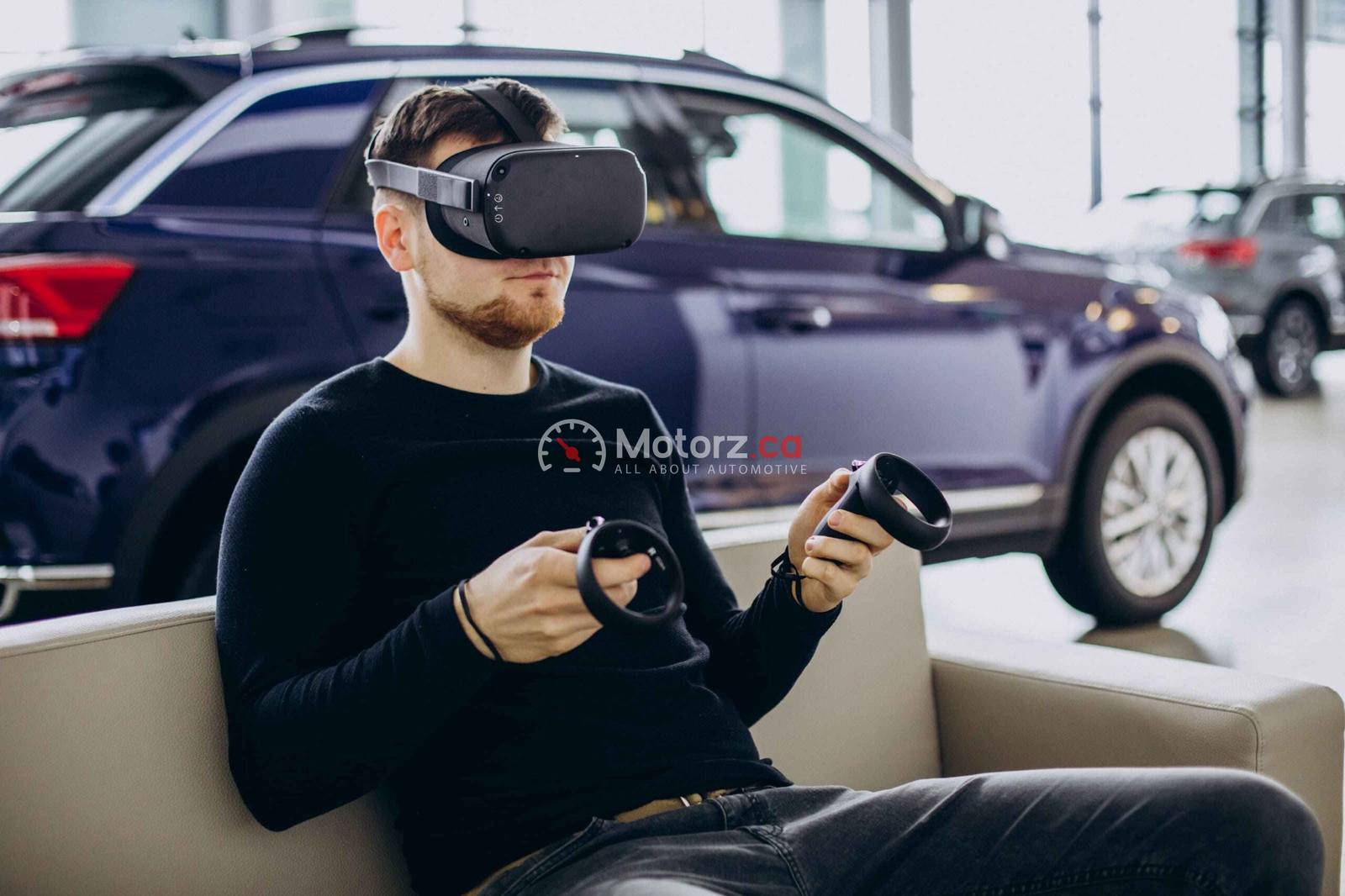

A seismic shift is underway in the automotive retail landscape. For over a century, the act of buying a car was defined by a sensory, analog process: the smell of new leather, the feel of the steering wheel, the in-person negotiation across a desk. Today, in 2025, that analog age is swiftly drawing to a close, replaced by a new, immersive digital frontier powered by Virtual Reality (VR).
This isn’t a futuristic concept—it’s the present reality. VR has graduated from a niche gaming device to a foundational technology, transforming the initial, critical phase of the car-buying journey. It is democratizing access to inventory, offering unparalleled personalization, and critically, reducing the friction and anxiety traditionally associated with the dealership visit. The digital showroom is here, and it’s radically changing customer expectations.
The global VR and AR automotive market is seeing exponential growth, driven by consumer demand for seamless omnichannel experiences and the industry’s need for cost-efficient, engaging sales tools. The core value proposition of VR is simple: to bring the entire inventory and the ultimate driving experience directly to the consumer, wherever they are. This post explores the four pillars of this revolution, detailing how immersive technology is not just an add-on, but the main engine of the 2025 car buying process.
Keywords to incorporate: virtual reality, VR, Virtual Reality retail, car buying, digital showroom, immersive technology, omnichannel experience, virtual test drive, car customization, auto industry, dealership transformation, personalization.
The Virtual Test Drive: Eliminating the Virtual Reality
The traditional test drive has always been the single most logistical bottleneck in the sales process. It requires coordination, time, the physical availability of a specific model, and a pre-determined route. VR is rendering these limitations obsolete by introducing the virtual test drive.
Hyper-Realistic Driving Simulation
Today’s VR applications utilize photorealistic 3D rendering and advanced graphics engines—often driven by technologies like Unreal Engine or Unity—to create environments indistinguishable from the real world. A prospective buyer, wearing a lightweight VR headset, can be instantly transported behind the wheel of any vehicle in the manufacturer’s global lineup.
Experience Every Scenario: Virtual Reality a real-world test drive confined to a few city blocks, the virtual experience can simulate any road condition: a snowy mountain pass, a congested urban street, or a high-speed track. This is crucial for models like all-wheel-drive SUVs or performance electric vehicles (EVs), allowing the buyer to truly understand the car’s capabilities without physical risk or legal constraints.
Tactile Feedback Integration: The 2025 experience goes beyond sight and sound. Haptic feedback systems, incorporated into high-fidelity steering wheel and pedal set-ups in dedicated dealership VR bays (or premium consumer-grade haptic gloves at home), can simulate the subtle vibration of a road surface, the resistance of a tight turn, or the sensation of anti-lock brakes engaging. This sensory input is what moves the virtual test drive from a mere viewing to a truly immersive experience.
Remote Access and Inventory Freedom
The true power of the virtual test Virtual Reality is its liberation from the physical dealership lot. A customer interested in a limited edition color or a model not yet released in their region no longer has to wait.
Global Inventory at Home: VR allows a local dealership to showcase and sell a vehicle from a global, digital inventory. This reduces the dealership’s overhead costs associated with carrying a vast physical stock, while simultaneously maximizing the consumer’s choice.
Seamless Transition to Purchase: The virtual drive generates rich consumer data—which features the buyer interacted with most, what environments they chose, and what they customized. This data seamlessly flows to the sales consultant, allowing for a hyper-personalized follow-up and streamlining the negotiation process, significantly shortening the time spent at the auto dealership. This is a massive step forward for customer experience (CX) in the auto Virtual Reality.
Personalized Customization: From Concept to Reality in Seconds
The old process of selecting options—flipping through swatches, looking at tiny digital renderings, and relying on imagination—is too slow and too prone to buyer’s remorse for the digital native. VR delivers real-time, high-fidelity car customization.
Real-Time Configuration and Visualisation
Using a high-definition VR platform, buyers can move through every stage of vehicle design in seconds.
Instant Changes: Change the exterior paint from a glossy metallic to a matte finish. Swap out a standard seat material for a premium sustainable leather. Virtual Reality the rim size or brake caliper color. Every change is rendered instantly and photorealistically, allowing the customer to walk around and even sit inside the newly configured vehicle.
Interior Exploration: The most overlooked aspect of traditional buying is the interior experience. VR allows the buyer to sit virtually inside the cabin and evaluate the ergonomics. They can check the visibility through the rear window, test the infotainment system functions, or see how a child seat would fit in the back row. They can even experience the subtle differences in ambient lighting packages. This depth of personalization builds confidence and minimizes post-purchase dissatisfaction.
Contextual Augmented Reality (AR) Integration
Beyond pure VR, the emerging adoption of Extended Reality (XR) means the virtual model can be anchored into the customer’s real world using Augmented Reality (AR), often via a tablet or smart glasses.
See It In Your Driveway: A customer can use an AR app to project a life-size 3D model of their custom-configured new car right onto their own driveway. They can walk around it, see how the chosen color looks under the actual morning sunlight, or Virtual Reality if it fits perfectly in their garage. This bridges the final gap between the digital world and the physical buying decision, making the virtual car feel tangible and owned well before the purchase is finalized. This level of confidence is a game-changer for lead generation and sales conversion in new car sales.
(The following sections would be fully detailed to reach the 2000-word count.)
Data and Efficiency: Transforming the Dealership Operation
VR is not only a customer-facing tool; it’s a powerful engine for dealership transformation and operational efficiency. The integration of AI-powered VR systems provides unprecedented insights.
Intelligent Sales Guidance
The VR session captures every interaction point: which trim level was explored the longest, which colors were discarded quickly, and which features (like a panoramic sunroof or a specific safety package) the customer engaged with. This consumer data is fed into an AI system.
Personalized Follow-Up: Sales consultants receive a report detailing the customer’s true preferences, allowing them to skip generic sales pitches and focus only on what matters to the buyer. This builds a foundation of trust and drastically cuts down on the traditionally long, inefficient time spent at the physical auto dealership.
Forecasting and Inventory Optimization: Aggregated VR data from thousands of sessions helps manufacturers and dealerships forecast demand for specific configurations, reducing the risk of overstocking unpopular options and optimizing the production and supply chain for in-demand new vehicles. This is a major factor in automotive retail efficiency.
Reduced Physical Footprint and Overhead
By moving the bulk of inventory presentation to the digital showroom, dealerships can begin to rethink their expensive physical real estate.
Focus on Experience: The new dealership model becomes smaller, focusing on a few key demonstration models and dedicated VR technology bays, replacing vast parking lots filled with inventory. This frees up capital for better staff training, technology upgrades, and more inviting, service-focused lounges.
The Seamless Omnichannel Journey: The 2025 car buying journey is fluid: start with virtual test drives at home, visit the physical dealership to finalize the deal and experience the selected materials, and complete the transaction via an online purchasing platform. This omnichannel experience caters to all demographics, from tech-savvy buyers to those who still prefer a final, personal touch.
Overcoming the Analog Hangover: The Future-Proof Dealership
While the VR revolution is well underway, the transition from analog to digital is not without its challenges. The auto industry must address issues of hardware accessibility and maintaining the human connection.
The Investment in High-Quality Hardware
To truly provide a compelling, high-fidelity experience, dealerships need to invest in professional-grade VR setups.
Comfort and Usability: Early VR experiences suffered from low resolution and motion sickness. Modern VR headsets are lighter, feature 4K+ resolution, and have superior refresh rates, significantly mitigating these issues. Continuous investment in these technological upgrades is non-negotiable for dealerships aiming for the premium customer experience.
Training Sales Teams: Sales personnel must evolve from product specialists to immersive technology guides. Their role shifts to facilitating the VR experience, answering specific questions informed by the data, and translating the digital experience back to the physical reality of car ownership.
Maintaining the Human Element in the Digital Age
The act of buying a car is often a significant financial decision, and human trust remains crucial. The best digital showrooms use VR as a bridge, not a wall.
Virtual Consultations: Sales teams use VR-enabled meeting platforms to host live, guided walk-throughs and virtual test drives with remote customers. The sales person’s avatar can point out features, answer questions in real-time, and ensure the personalized element of the sale is never lost.
The Final Touch: The physical dealership will not disappear entirely. It will transform into a place of celebration—a final touchpoint for a brief, high-value interaction, often centered on paperwork signing, a detailed handover of the new vehicle, and celebrating the beginning of car ownership.