
The SUVs in Canada for Rearview Camera is no longer a luxury feature; it is a mandatory safety device required by Canadian law (specifically under Transport Canada’s Motor Vehicle Safety Standard 111). When this critical system fails, it instantly increases the risk of a back-over collision, especially in large SUVs like the newly redesigned Hyundai Santa Fe.
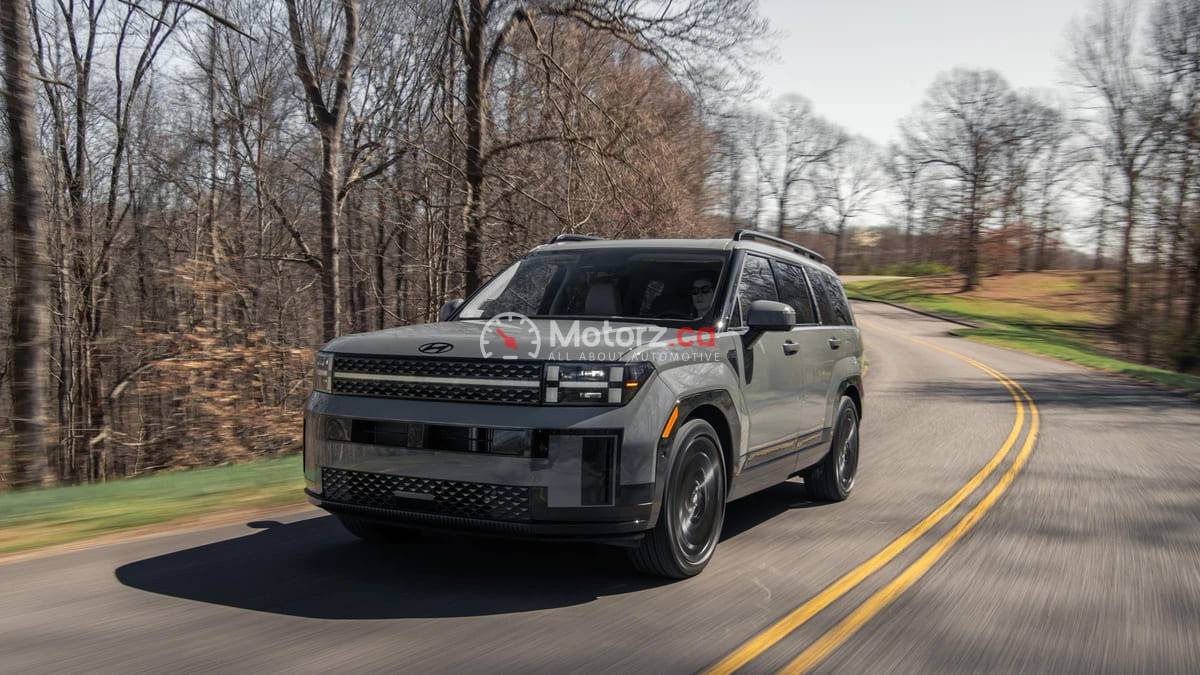
Hyundai Canada has issued a significant recall affecting 9,054 units of the 2025 Santa Fe SUV, including the standard gasoline and Santa Fe Hybrid models. The core issue is a physical defect—an improperly manufactured or positioned wiring harness—that can cause the camera image to disappear, leaving the driver staring at a blank or black screen when shifting into reverse.
This authoritative guide breaks down the precise nature of the defect, identifies the affected model years, explains the urgency of the fix, and provides step-by-step instructions for Canadian owners to check their vehicle’s status and ensure a smooth, free repair.
Understanding the SUVs in Canada for Rearview Camera Recall
This specific recall (Hyundai Canada’s internal number R0293) affects the newest generation of the Santa Fe, focusing on a manufacturing fault in the vehicle’s electrical system.
Which Santa Fe Models Are Affected?
The recall is highly specific and targets vehicles from the latest generation of the popular SUV.
Vehicle Model Years: The primary recall affects certain 2025 Hyundai Santa Fe and Santa Fe Hybrid models sold in Canada.
Number of Vehicles: Approximately 9,054 SUVs are included in the Canadian recall campaign. (Note: A much larger number of 2024–2025 models are affected by similar issues in the United States, suggesting a supplier-level defect.)
The Safety Mandate: Because Canadian motor vehicle regulations require the rearview image to automatically display when the vehicle is reversing, the failure to do so is considered a non-compliance defect, necessitating a mandatory safety recall.
The Mechanical Failure: Damaged Wiring Harness
The issue is not a software glitch (though the 2024 model had a separate, smaller software-related recall); it is a physical hardware defect related to the camera’s installation.
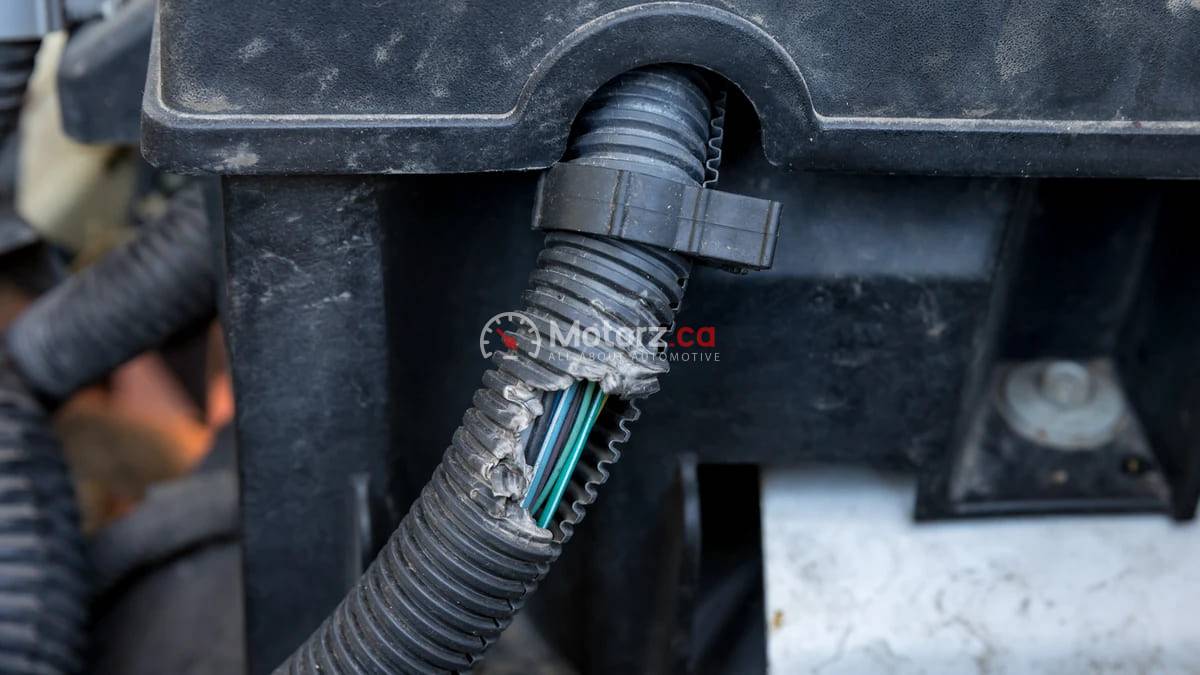
Improper Manufacturing/Assembly: The wiring harness connected to the rearview camera may have been manufactured improperly or attached to the camera in a way that did not account for normal variations in cable routing.
Tension and Damage: This improper routing or lack of flexibility caused increased tension or twisting on the wire harness during assembly. Over time, this constant tension and wear can damage the wiring or the solder joints where the harness connects to the camera’s circuit board.
Symptom: Black Screen: The resulting damage leads to an intermittent or total interruption of the video signal, meaning the driver sees a blank or black screen on the central infotainment display when the transmission is shifted into Reverse (R).
Crucial Warning: The failure of the rearview camera significantly compromises the driver’s ability to see objects, children, or pedestrians directly behind the large SUV, increasing the risk of a back-over crash or injury. Do not rely on the camera until the recall fix is complete.
Immediate Action Steps for Affected Canadian Owners
If you own a 2025 Hyundai Santa Fe or Santa Fe Hybrid, immediate verification and service are necessary. The repair is free of charge under federal law.
How to Check Your Vehicle’s Recall Status
Owners will receive official notification by mail, but you do not need to wait for the letter.
Locate Your VIN: Find your Vehicle Identification Number (VIN). This 17-digit code is visible through the driver’s side of the windshield, on your vehicle ownership, or inside the driver’s side door jamb.
Check the Official Databases: Use your VIN to search the official databases.
Transport Canada: Check the Motor Vehicle Safety Recalls Database using the ID 2025-648.
Hyundai Canada Website: Utilize the dedicated recall search tool on the official Hyundai Canada website.
Contact Your Dealer: If you suspect your vehicle is affected or if you have already experienced a black screen issue, contact your local authorized Hyundai dealer immediately to schedule a service appointment.
The Dealer Repair Process and Timeline
Hyundai dealers have been instructed on the specific corrective actions to address this safety issue.
The Fix: The authorized Hyundai dealer will perform a two-part repair, which includes:
Replacing the Rearview Camera: The faulty camera unit will be replaced with a new component that features the updated, more flexible wiring harness supplied after September 2, 2025.
Repositioning the Wiring Harness: The technician will ensure the wiring harness is properly routed and secured to prevent future tension and damage.
Cost and Duration: The entire procedure will be performed at NO CHARGE to the owner. The actual time required for the repair should be relatively short, often less than one hour for the service procedure itself, though total time at the dealership may be longer due to scheduling.
The Broader Context of Rear Visibility System Recalls
The Hyundai Santa Fe recall is not an isolated incident; it reflects a systemic challenge the entire automotive industry is facing with mandatory camera technology.
The Importance of FMVSS 111 Compliance
Federal Motor Vehicle Safety Standard 111 (FMVSS 111), which has been fully mandatory since 2018, requires all new passenger vehicles to have a rear visibility system.
Crash Prevention: Rearview cameras are specifically designed to mitigate low-speed back-over accidents, which are particularly dangerous to small children, pets, and objects that are difficult to see from the driver’s seat.
The SUV Challenge: For large, boxy SUVs like the new Santa Fe, the driver’s field of vision is naturally restricted by the vehicle’s design. The camera is not just an aid; it is an essential safety tool that compensates for these inherent blind spots. When the camera fails, the safety margin drops dramatically.
Hardware vs. Software Failures
Rearview camera recalls often fall into one of two categories, with the current Santa Fe issue being the more physically intrusive.
The Supplier Quality Control Challenge
The core of the Santa Fe issue points to a failure in supplier quality control during the initial production phase. The supplier failed to account for assembly variations, leading to harness tension.
Mitigating Future Recalls: Automakers like Hyundai are increasingly relying on specialized suppliers for complex electronic modules and harnesses. These recurring camera recalls across the industry (Ford, Stellantis, Volvo, and others have faced similar issues in 2025) underscore the need for more rigorous quality checks at the component supplier level to match the high durability standards of the rest of the vehicle.
Owner Precautions While Awaiting the Recall Service
If your 2025 Hyundai Santa Fe is affected by the rearview camera recall and you are awaiting your service appointment, you must exercise extreme caution.
Backing Up Safely Without a Camera
The temporary loss of the camera means reverting to traditional, defensive driving techniques.
Physical Checks Are Mandatory: Before backing up, always walk a full 360-degree circle around the vehicle to check for objects, pedestrians, or small children that may be in your blind spots.
Utilize All Mirrors: Rely exclusively on your side mirrors and rear-view mirror. Remember that the side mirrors magnify objects, making them appear farther away than they are.
Use Sound and Proximity Sensors: Listen carefully for the vehicle’s standard acoustic proximity sensors (beeping alerts) if they are still functioning. If you hear the beeping, stop immediately and investigate the obstruction.
Roll Down Windows: Rolling down your windows when reversing, even briefly, helps you hear potential hazards like approaching vehicles, bicycles, or shouted warnings.
What to Do if the Screen Goes Black
If your camera fails mid-reverse, do not panic.
Stop Immediately: Bring the vehicle to a complete, safe stop.
Re-check the Transmission: Shift the transmission into Park (P) and then back into Reverse (R). Sometimes a software glitch will reset with this action (though this fix is less likely for a hardware defect).
Call the Dealer: If the problem is persistent, immediately contact your Hyundai dealer and explain the safety risk. They should prioritize scheduling the free recall repair.
A Necessary Fix for a Critical Safety Component
The Hyundai recall affecting over 9,000 Santa Fe SUVs in Canada underscores a vital point: in the age of advanced automotive technology, the smallest component failure can compromise a fundamental safety system. While the inconvenience of a dealership visit is frustrating for owners of a new 2025 vehicle, the replacement of the faulty camera and repositioning of the wiring harness are essential steps to restore full compliance with safety standards.
Canadian owners of the affected Santa Fe and Santa Fe Hybrid models are strongly urged to verify their VIN and schedule the no-charge repair immediately. Ensuring full functionality of the rearview camera is the best way to safeguard against back-over accidents and enjoy the full peace of mind that comes with driving a modern, safety-equipped SUV.