
Why 2024–2025 Santa Fe Models Face a Critical Recall That Undermines Basic Safety Standards
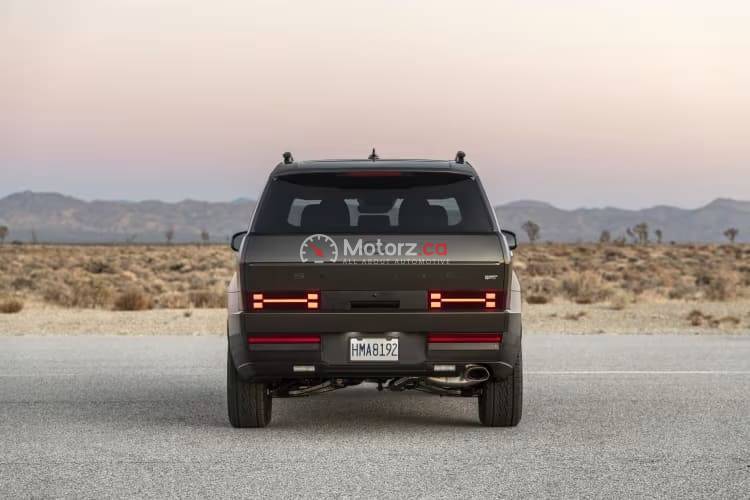
The all-new Hyundai Santa Fe SUVs Violate a massive splash with its bold, boxy, adventure-ready redesign for the 2024 model year, including the latest 2025 releases. However, the excitement of its striking aesthetics and rugged capability is now overshadowed by a significant safety issue affecting over 143,000 units of the popular SUV, including both the combustion and Santa Fe Hybrid models.
The problem centers on a seemingly simple component: the rearview camera.
According to filings with the National Highway Traffic Safety Administration (NHTSA), a manufacturing defect involving the camera’s wiring harness can cause the rearview camera image to fail or not display at all when the driver shifts into reverse. This defect means the vehicles are non-compliant with a fundamental piece of automotive regulation: Federal Motor Vehicle Safety Standard (FMVSS) 111, which mandates rear visibility for all new passenger vehicles.
This isn’t just an inconvenience; it’s a critical safety hazard that increases the risk of a crash, particularly involving pedestrians or objects behind the vehicle. This article breaks down the extent of the recall, the precise mechanical failure, and the necessary steps every affected 2024 and 2025 Santa Fe owner must take.
The Federal Law and the Failure
The safety law in question, FMVSS 111, is one of the most critical federal mandates regarding vehicle visibility. Its violation is the core reason for this large-scale recall.
Understanding Federal Motor Vehicle Safety Standard 111
Rear visibility cameras have become standard safety equipment, drastically reducing back-over accidents. The federal mandate formalizes their importance.
The Mandate: FMVSS 111 requires all new passenger vehicles with a gross vehicle weight rating of 10,000 pounds or less to be equipped with a rear visibility system that automatically displays an image of the area directly behind the vehicle when in reverse. This rule was phased in starting in 2014 and became fully mandatory in May 2018.
Safety Imperative: The purpose of the rearview camera law is to prevent accidents by giving drivers a clear view of the area behind the vehicle, particularly objects and small children that may be obscured by the vehicle’s body or roof pillars. When the camera fails, the Santa Fe instantly loses this legally required safety feature.
The Risk: For the large, boxy profile of the new 2024 and 2025 Santa Fe, the rearview camera is essential. Without it, the driver is forced to rely solely on mirrors, significantly increasing the size of the blind spot and the risk of a back-over crash.
The Mechanical Root of the Camera Failure
The issue is not a complicated software glitch but a seemingly minor manufacturing error traced back to the component supplier.
Improper Installation: The problem stems from the rearview camera’s main wiring harness being improperly assembled by the supplier. This faulty assembly causes increased tension and wear on the cable’s shield line, which connects the camera to the vehicle’s display unit.
Terminal Contact Failure: Over time, the tension and wear can cause poor terminal contact or damage the wiring itself. This intermittent or complete failure means that when the driver shifts into reverse, the video feed is interrupted, resulting in a blank or black screen on the central infotainment display.
Affected Vehicles: The recall impacts a substantial number of the new generation vehicles: 106,049 standard 2024–2025 Santa Fe models and 37,423 Santa Fe Hybrid models, totaling 143,472 SUVs under the safety recall (NHTSA Recall Number 25V-792).
Impact on Owners and Immediate Action Steps
For owners of the popular new Santa Fe, understanding the recall process, recognizing symptoms, and knowing what to do immediately is vital for safety.
Identifying the Defect and Recognizing the Symptoms
The good news is that the failure is typically very noticeable, giving drivers a clear sign that their vehicle needs attention.
Primary Symptom: The most common sign is the rearview camera failing to display an image, showing only a blank or black screen when the transmission is shifted into reverse. The problem may initially be intermittent before becoming a permanent failure.
Model Years Affected: The recall specifically targets the fully redesigned 2024 and 2025 model year Santa Fe and Santa Fe Hybrid vehicles. Owners of prior generations (pre-2024) are generally not affected by this particular issue.
Checking Your VIN: Hyundai strongly urges all owners of the new generation Santa Fe to check their Vehicle Identification Number (VIN) immediately. This can be done by visiting the NHTSA recall website or the official Hyundai recall page and entering the 17-digit VIN to confirm if the SUV is included in the recall.
The Official Recall Timeline and Remedy
Hyundai has outlined a clear, no-cost repair plan, though there is a waiting period for official owner notifications.
The Fix: The remedy is a no-charge repair that involves the dealer replacing the faulty rearview camera unit and installing a new, more flexible wiring harness with a repositioned connection. This new harness material provides the necessary flexibility to prevent the tension and wear that caused the initial defect.
Notification Date: Owner notification letters are scheduled to be mailed out starting January 19, 2026. Dealers are being notified earlier to prepare for the service campaign.
Crucial Safety Advice: Until the recall repair is completed, drivers are strongly advised to exercise extreme caution when reversing. Owners must remember to rely on traditional methods: actively using side and rearview mirrors, and physically turning to check blind spots, rather than expecting the potentially faulty camera feed.
Safety Tip: If your Santa Fe’s rearview camera has already failed, treat the vehicle as if it has no rear visibility assistance. Always use the audible parking sensors (if equipped) and conduct a full 360-degree walk-around before backing up, especially in driveways or parking lots.
Part 3: Broader Industry Context and Hyundai’s Response
This recall is part of a larger, industry-wide trend involving rear visibility systems, highlighting the complex challenges of integrating advanced vehicle safety technology.
The Trend of Rear Camera Recalls Across the Industry
While this is a significant issue for the Santa Fe, Hyundai is far from the only automaker facing mandatory camera recalls.
Widespread Problem: Rearview camera recalls have become increasingly common across the automotive sector in recent years, affecting brands from Ford and Toyota to Stellantis and Volvo. Issues range from supplier defects (like the Santa Fe’s wiring harness) to software errors that cause frozen or blank screens.
The Component Challenge: The recalls underscore the challenge of sourcing and integrating complex electrical components. In the case of the Santa Fe, a simple assembly issue at the supplier level can lead to the recall of hundreds of thousands of vehicles, demonstrating the sensitivity of modern vehicle safety systems.
Hyundai’s Response Track Record: Hyundai is generally proactive in issuing recalls. The company also recently addressed a separate, smaller recall affecting some 2024–2025 Santa Fe models involving an increased fire risk from an improperly installed starter motor terminal cover. This suggests the automaker is working closely with NHTSA to resolve manufacturing issues promptly.
Reassurance for Prospective and Current Owners
Despite the safety issue, the fundamental quality and warranty of the new Santa Fe remain strong, and the repair is straightforward.
Warranty Coverage: Since this is a federally mandated safety recall, the repair is covered free of charge regardless of the vehicle’s age, mileage, or warranty status. Hyundai is also offering reimbursement for any previous out-of-pocket expenses owners may have incurred to fix the camera problem before the official recall was announced.
Minimal Defect Rate: The official recall report estimates that only about 1 percent of the total recalled vehicles actually have the defect. While this number is relatively low, the widespread nature of the installation flaw necessitates recalling all potentially affected units to ensure safety compliance.
The Long-Term Outlook: Once the dealer performs the repair, which involves replacing the vulnerable harness with a more robust and flexible component, the issue is permanently resolved. This ensures the Santa Fe is fully compliant with FMVSS 111 and can safely utilize its rear visibility system as intended.